Archaeologists found the palace of England’s last Anglo-Saxon king



 Follow Earth on Google
On a quiet street in the village of Bosham, one ordinary looking house has turned out to be anything but ordinary. Archaeologists now say this property was the power base of King Harold II, the last Anglo-Saxon ruler of England almost 1,000 years ago.
The Bayeux Tapestry is a long medieval embroidery showing the Norman conquest, as described in an overview from Reading Museum.

In that artwork, Bosham appears as the place where he attends church, feasts in an impressive hall, and then heads out across the Channel.
Finding Harold’s hidden power center
The work was led by Dr Duncan Wright, Senior Lecturer in Medieval Archaeology at Newcastle University.
His research focuses on how early medieval elites chose, built, and controlled their power centers, high status residential and administrative hubs used by nobles.
A recent study from the Where Power Lies project examined royal and aristocratic sites across England between 800 and 1200.
At Bosham, the team returned to a 2006 excavation and combined it with fresh surveys of the standing house and surrounding land.
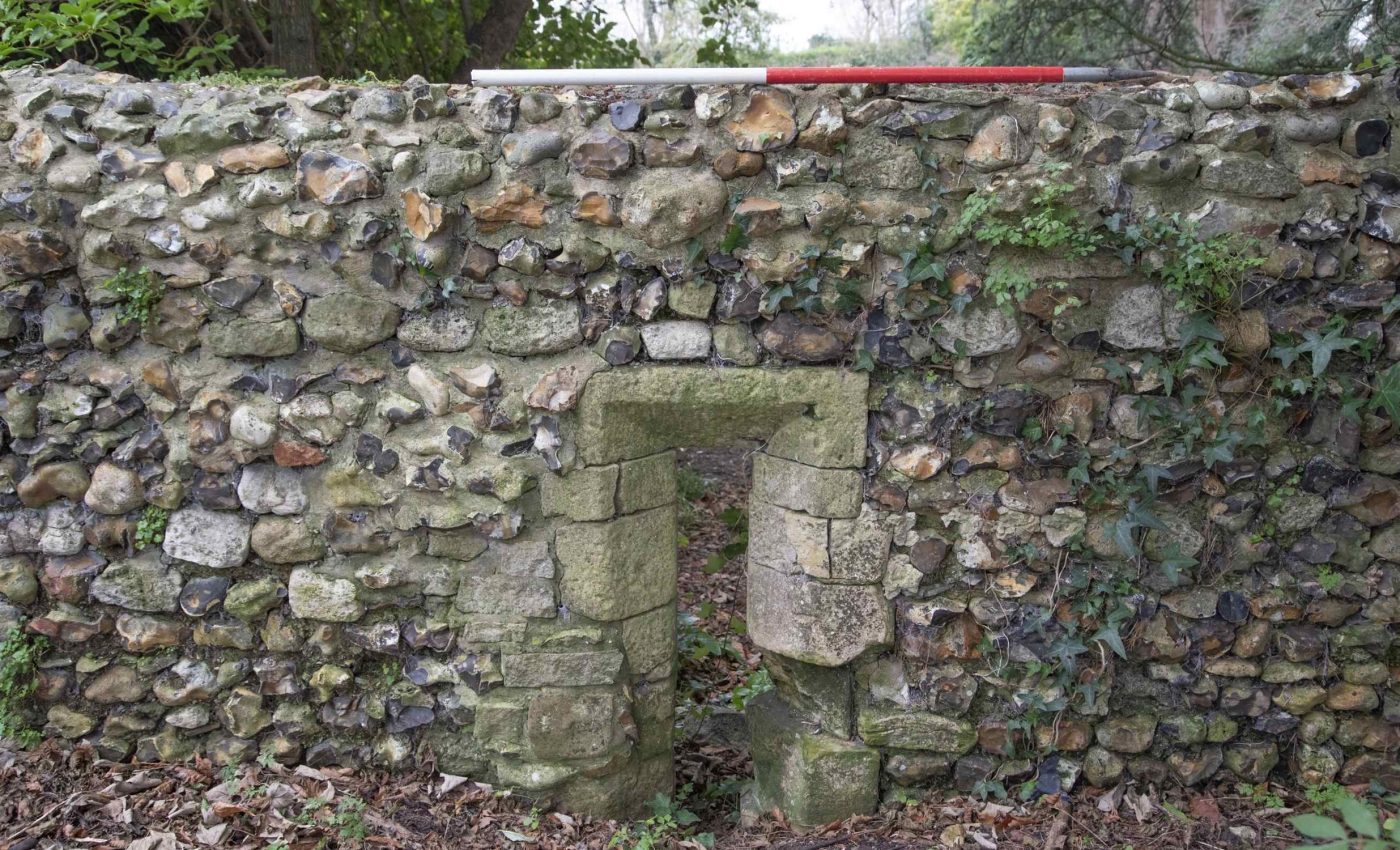
They used a geophysical survey to peer beneath lawns, flowerbeds, and nearby open ground. Old maps and building records, plus a close look at the existing walls, helped them trace two medieval buildings, one within and one in the garden.
Remains of sturdy postholes suggest a bridge or raised causeway running toward the Holy Trinity Church. That link between hall and church fits an elite complex where rulers showed status in both their home and their worship.
Clues buried in a royal toilet
Back in 2006, archaeologists uncovered a latrine inside a large timber building at the site. At the time it seemed unusual, but the new analysis shows that this hidden bathroom is a key piece of the puzzle.
In England, integrated toilets appear in high status houses from the 10th century onward, according to one recent article by Dr Wright.
Because few such toilets are known, finding one in this building suggests that the people using it sat at the top of the ladder.
“We have here the location of Harold Godwinson’s private power center,” said Dr Wright. That judgment comes from setting the latrine evidence beside everything else the project team has learned at Bosham.
“The Norman Conquest saw a new ruling class supplant an English aristocracy,” said Professor Oliver Creighton of the University of Exeter.
For him, this elite residence at Bosham matters because it gives that vanished English aristocracy a rare and very personal footprint in the ground.
King Harold II and Bosham village
Harold II ruled England for nine months in 1066 before falling at Hastings to William of Normandy. His short reign makes every surviving trace of his rule unusually valuable, since the victorious Normans quickly reshaped both politics and the landscape.
Before that final clash, Harold stood as one of the most powerful men in the country, leading armies and controlling estates across southern England.
Bosham, sitting on a sheltered inlet of the English Channel, gave him a base with a church, a hall, and access to the sea.
As an earl before he became king, Harold managed large households that had to store food, house warriors, and impress visiting allies.
Places like Bosham would have been busy with servants, guards, priests, and guests moving between the hall, the church, and the shoreline.
Norman rule brought in new lords who spoke French, introduced different laws, and filled the landscape with stone castles and walled towns.
The Bosham household offers a rare look at the spaces that belonged to the English rulers pushed aside in that upheaval.
Early English elites
The Where Power Lies team studies halls and churches between 800 and 1200, as outlined in a summary from UK Research and Innovation.
Using that national picture, the researchers see Bosham not as an isolated curiosity but as one node in a wider network of elite strongholds.
Their records include measurements from surveys and images taken from the air, all fed into maps that let them compare sites across the country.
Patterns in the size, layout, and church links of these centers help highlight which ones belonged to the very highest ranks.
At Bosham, the complex of hall, church, causeway and toilet shows an English royal household that had many features later linked with Norman castles.
Yet the buildings rely on timber and planning rather than huge stone walls, which helps explain why few Anglo Saxon sites still stand above ground.
By tracing these subtle remains under a modern home, archaeologists give Harold’s world a clearer physical setting than any surviving artwork can offer.
That grounded view of daily life makes those political struggles feel closer, because it ties big events to rooms and even a private bathroom.
Lessons from Bosham village
For people living in Bosham today, the idea that a modern house stands where a royal headquarters once operated changes how the village feels.
History is no longer only in textbooks or museums, but built into front rooms, back gardens, and the path to the parish church.
For visitors the story of Harold’s house also shows how much information can hide in ordinary places until someone asks focused questions.
The same mix of old records, careful surveying, and fresh thinking could reshape how researchers read many other villages, fields, and churches across England.
—–
Like what you read? Subscribe to our newsletter for engaging articles, exclusive content, and the latest updates.
Check us out on EarthSnap, a free app brought to you by Eric Ralls and Earth.com.
—–