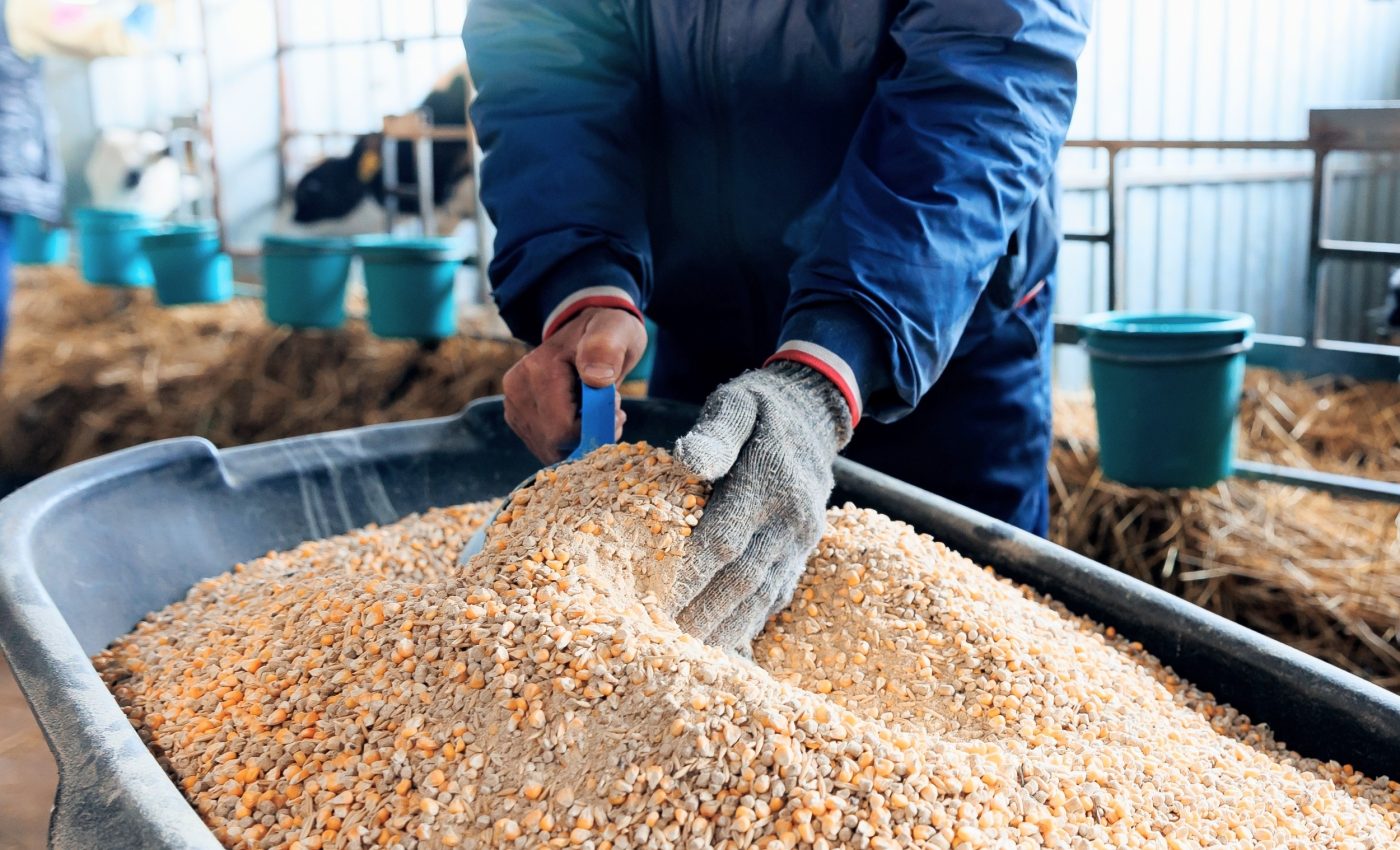
Cattle feed microplastics may contaminate meat and milk



 Follow Earth on Google
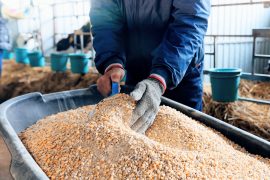
Microplastics now reach almost every part of modern agriculture. These particles mix with soil, water, and plant material. They then enter livestock feed in ways that most people never notice. Cattle swallow them while eating hay, barley, and silage.
Once inside the rumen, the particles meet one of the most complex microbial systems on Earth. A new international study shows how strongly this system reacts when plastics enter the rumen environment.
How microplastics enter cattle feed

Scientists examined the effects of common agricultural plastics inside rumen fluid. They worked with PLA, PHB, HDPE, PVC, and PP.
These plastics often reach fields from silage wraps, sludge, packaging, or tire wear. Their particles fall into a size range that can move through soil and into plants or feed.
“Our work is a first step toward understanding the biological consequences of microplastic exposure in farm animals,” said co-author Daniel Brugger of the University of Zurich. He highlighted the need for in vivo studies as global plastic use keeps rising.
Earlier research has already shown that microplastics enter soils at large scales and pass into feed materials. Cattle can ingest soil containing plastic residues, and feed handling can introduce fragments.
This makes ruminants useful models for tracing plastic movement in farm systems. Their rumen microbes break down nearly two-thirds of the feed they consume. This makes the rumen the first major site where plastics meet living microbes.
Microplastics meet cattle microbes
The team used a controlled fermentation system to incubate rumen fluid with hay or barley and microplastics in different doses and sizes. They measured gas output, pH, dry matter loss, volatile fatty acids, and changes in microbial proteins.
Microplastics decreased total gas production in all cases. This drop occurred regardless of plastic type, size, or amount. Hay and barley responded differently, but the trend remained clear. The pH stayed stable, indicating that the effect came from changes in metabolism rather than acidity shifts.
Dry matter breakdown increased. This suggests that rumen microbes not only digested feed but also acted on the plastic particles themselves. Some particles likely lost mass or fragmented into smaller pieces.
Scientists propose that mechanical friction from feed, together with microbial enzymes, may start breaking down plastic surfaces. Certain plastics, such as PLA and PHB, showed stronger links to these changes.
Microbial reaction to microplastics
Barley incubations showed the strongest microbial reaction. Here, microplastics reduced proteins used for carbohydrate and amino acid metabolism in cattle.
At the same time, proteins linked to stress responses and repair became more abundant. This shift signals a stressed microbiome trying to protect itself.
Taxonomic changes supported this pattern. Microbes from Bacteroidetes declined, while Firmicutes and some Proteobacteria increased. Shifts in these groups often signal dysbiosis.
Such changes also appear in studies across soil, fish, poultry, and rodent systems exposed to plastics. They often involve oxidative stress, reduced enzyme activity, and weaker feed digestion.
Rumen microbes and microplastics
The study confirms that rumen microbes react strongly to plastics. Smaller particles produced stronger effects, likely due to their larger surface area and closer contact with microbes.
This made physical and biochemical interactions easier, and possibly increased plastic fragmentation.
“Our study shows for the first time that microplastics do not simply pass through the digestive tract of farm animals,” said Jana Seifert, a researcher at the University of Hohenheim.
“Instead, they interact with the gut microbiome, alter fermentation processes, and are partially broken down.”
Microplastics, cattle, and food safety
Microplastics may travel beyond the rumen. Particles smaller than 100 micrometers can pass intestinal barriers. Once inside tissues, they may accumulate in organs.
This raises concerns about food safety because meat, milk, and other animal products may carry tiny fragments or their byproducts.
A stressed microbiome could also reduce feed efficiency. This weakens animal performance and raises production costs.
In young or stressed animals, plastic fragments may pass into tissues more easily. This increases the risk of plastic movement through the wider food chain.
“Plastic pollution isn’t just an environmental issue ‘out there.’ It has direct biological consequences for farm animals – and potentially for humans – through the food chain,” said Cordt Zollfrank of the Technical University of Munich.
Keeping plastics off farms
Researchers call for better control over plastic use in agriculture. Silage wraps, packaging, and sludge applications all add microplastics to fields. Limiting these inputs can help protect animals and the people who rely on them.
The study also gives regulators and veterinarians new evidence. Microplastics change microbial activity and may shrink in size during digestion. These interactions must be considered when setting safe limits for feed contamination.
“Our findings may also help to inform future research on microplastic-microbiome interactions in non-ruminant species, such as pigs, although this still needs to be tested in those animals,” said Brugger.
The study leaves important questions open. Scientists still need to confirm how far plastic fragments travel in living animals, how much accumulates in tissues, and whether nanoplastics form during digestion.
Future work must also measure gases more precisely to understand how plastic breakdown affects fermentation. Still, the message is clear.
Microplastics do not stay passive inside farm animals like cattle. They spark stress, shape microbial communities, and may change the safety of the food chain.
The study is published in the Journal of Hazardous Materials.
—–
Like what you read? Subscribe to our newsletter for engaging articles, exclusive content, and the latest updates.
Check us out on EarthSnap, a free app brought to you by Eric Ralls and Earth.com.
—–