A virus carried by most humans can 'wake up' and cause this debilitating disease



 Follow Earth on Google
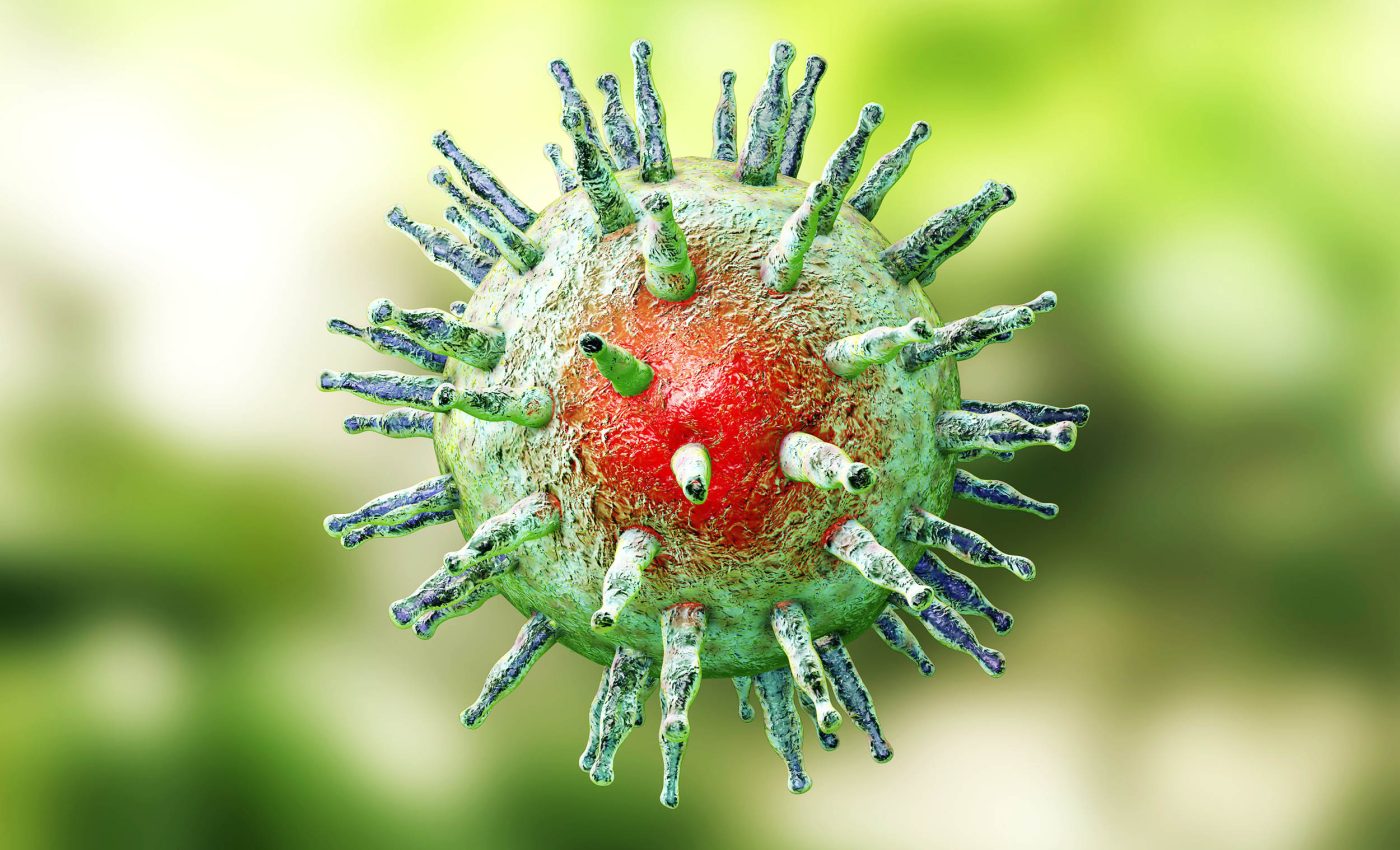
A virus that almost all humans carry could be silently triggering a dangerous autoimmune disease. Called Epstein-Barr virus, it infects more than 90 percent of people across the world.
New research now lays out how this quiet passenger can push the immune system to attack the body. That chain of events can help cause lupus, a dangerous autoimmune disease.

Systemic lupus erythematosus, SLE, a long-lasting form of lupus, affects millions of people worldwide and most of them are women. The new study comes from researchers who worked with patient samples from people living with SLE.
Epstein-Barr virus and lupus
Epstein-Barr virus belongs to a family of viruses called herpesviruses that can stay in the body for life. After the first infection, the virus slips into certain white blood cells called B-cells, immune cells that make antibodies against germs.
The work was led by William Robinson, MD, PhD, a professor of medicine at Stanford University. His research focuses on autoimmunity, conditions where the immune system attacks the body itself.
For most people, infection happens in childhood or the teen years and either causes a brief illness or passes almost unnoticed. The virus then goes into a resting state, which makes it hard for the immune system to notice or clear it.
Those long lasting tricks have made Epstein-Barr virus a prime suspect in several chronic immune related conditions, especially diseases where the immune system misfires.
One large study found that infection with this virus greatly increased the later risk of multiple sclerosis, another autoimmune disease that attacks the nervous system.
Autoimmune diseases
Lupus is an autoimmune disease in which the immune system makes antibodies that target the body instead of invading germs.
These self attacking antibodies and the cells that produce them can damage the skin, joints, kidneys, brain, heart, lungs, and blood vessels.
The most common and serious type, SLE, can affect many organs at once. Symptoms vary widely from person to person, which can delay diagnosis and make treatment planning difficult.
Researchers have found that SLE hits women of childbearing age hardest and tends to be more common and more severe in people of Asian, Black, Hispanic, and Indigenous backgrounds than in white people.
Those patterns point to a mix of genetic risk and social factors, including access to care and exposure to stress.
Tracking the virus inside immune cells
To move from suspicion to proof, the Stanford team built a way to spot Epstein-Barr virus inside individual immune cells taken from people with SLE.
They used single cell RNA sequencing, a method that reads which genes are switched on in each cell, to compare infected and uninfected B-cells.
The infected B-cells mostly fell into a group called memory cells, which are usually meant to remember past infections.
In this study the virus positive cells also developed traits of antigen presenting cells, immune cells that show pieces of proteins to T-cells.
Detailed maps of DNA control regions suggested that a viral protein called EBNA2 was pushing key genes in these infected cells into a new activity pattern.
Those genes included ones linked to memory B-cells and others that promote the antigen presenting behavior seen in the lupus samples.
When the researchers produced antibodies from those infected cells in the lab, they bound tightly to nuclear autoantigens, the body’s own molecules that lupus immune cells wrongly attack.
Antibodies from similar cells in healthy volunteers did not show that pattern, pointing to a special link between Epstein-Barr virus infection and lupus specific targets.
Viral driver cells fan the flames
Many people carry B-cells that could, in theory, react to their own tissues, yet in healthy immune systems those potentially dangerous cells stay switched off.
The new work suggests that Epstein-Barr virus infection can convert some of these into autoreactive B-cells, immune cells whose receptors specifically recognize the body’s own proteins.
By turning on antigen presenting features, the infected B-cells are able to wake up helper T-cells that normally coordinate immune attacks on real infections.
Once activated this way in SLE, those helper cells in turn activate more autoreactive B-cells, including ones that were never infected with the virus in the first place.
This network effect means a relatively small pool of virus infected cells could ignite a much broader wave of autoimmunity that spreads through many cell types.
The result can be widespread inflammation and tissue damage, which fits the way SLE often harms multiple organs at once.
Epstein-Barr, lupus, and future health
If Epstein-Barr virus infected B-cells act as driver cells in lupus, that creates new ideas for how to treat the disease more precisely.
Drugs that remove or reshape B-cells, some of which are already used in SLE, might be adjusted to focus on the virus infected cells that are doing the most damage.
The same mechanistic insight also puts Epstein-Barr virus near the center of research on preventing autoimmune diseases.
If future vaccines or antiviral strategies can safely control this virus, they might cut the risk of SLE and perhaps other immune related illnesses in people who are genetically vulnerable.
The findings also highlight the value of targeted research funding. Support from groups such as the Lupus Research Alliance helped make it possible to connect a nearly universal virus to one of the most challenging autoimmune diseases in modern medicine.
The study is published in Science.
—–
Like what you read? Subscribe to our newsletter for engaging articles, exclusive content, and the latest updates.
Check us out on EarthSnap, a free app brought to you by Eric Ralls and Earth.com.
—–