How a climate shock led to the deadliest plague in history



 Follow Earth on Google
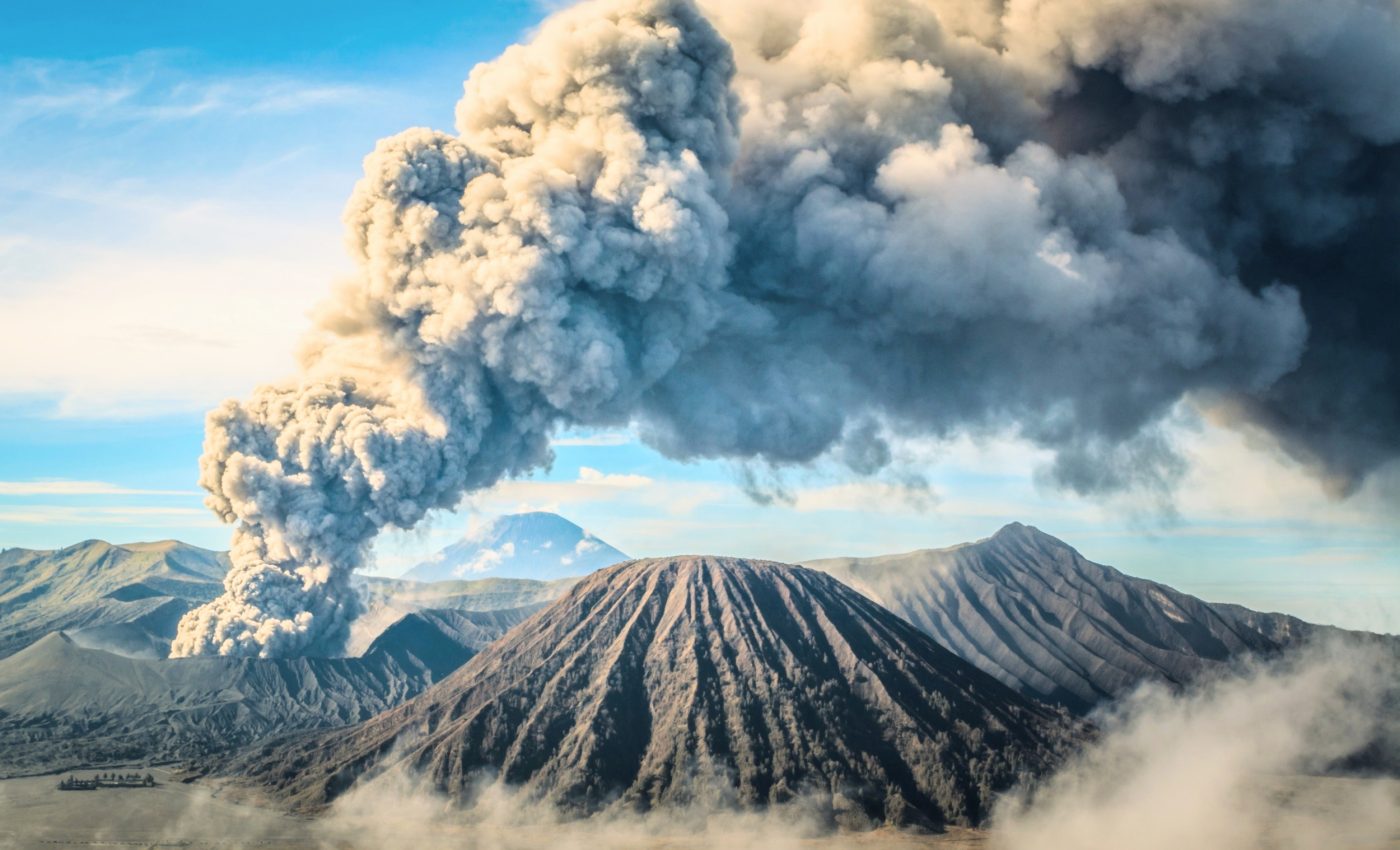
A single climate jolt may have nudged medieval Europe into one of history’s worst calamities. A volcanic eruption in the tropics likely cooled summers, ruined harvests, and set food ships moving in new directions.
Those ships, packed with grain, may also have ferried plague into Mediterranean ports in 1347.

An international study links the climate shock to Italy’s grain crisis and a pandemic that killed up to 60 percent in some regions.
Volcanic shock disrupted climate
Heavy clouds and cooler summers spread across the Mediterranean in the mid 1340s, and farmers felt it first.
Merchants in Venice and Genoa pivoted fast, buying grain from the Black Sea to keep bread ovens lit.
The work was led by Martin Bauch, a historian of climate and society, at the Leibniz Institute for the History and Culture of Eastern Europe (GWZO) in Leipzig. His research focuses on medieval environmental crises and their human impact.
Skies dimmed, and even a lunar eclipse appeared unusually dark – a sign of fine aerosols, the tiny particles that reflect sunlight and cool the air.
Heavy rains carved slopes, flooded fields, and cut grape and grain yields across parts of Italy.
The climate shock was particularly impactful because city states had grown large and hungry. A few cold, wet years tightened supplies and pushed officials to strike deals that reopened Black Sea routes.
Grain ships spread plague
Once the grain started moving, disease could hitch a ride. Fleas and their hosts thrive where food and sacks accumulate, and a biological vector can turn cargo into risk.
Historic laboratory work showed that larval rat fleas could subsist on wheat flour. That made long voyages survivable for insects that later jump to rodents and then to people.
Venice and Genoa brokered a ceasefire with the Golden Horde and sent convoys north. Ships returned in 1347, full of grain, and plague reports followed in port cities within weeks.
“This climate-driven change in long-distance grain trade not only prevented large parts of Italy from starvation but also introduced the plague bacterium to Mediterranean harbours and fueled its rapid dispersal across much of Europe,” wrote Bauch.
The timing lines up with grain arrivals, local outbreaks, and inland redistribution toward towns that still lacked bread.
Evidence of climate cooling
Ice cores capture old eruptions in frozen layers, and the signal around 1345 is large. Scientists estimate the volcanic stratospheric sulfur injection, a measure of sulfur lofted high into the sky, at roughly 14 teragrams.
Tree rings add annual detail to that picture. Using maximum latewood density, a tree ring measure that tracks summer warmth, researchers found Europe’s summers in 1345, 1346, and 1347 were among the coldest of the century.
Market books and city decrees echo the climate data. Prices spiked, grain controls tightened, and urban granaries drew down reserves as councils scrambled to keep peace.
Pressures that followed the climate shock
Together, these records stitch climate, famine, and trade into one chain. The path is not a single cause, but a tight sequence of pressures that made Europe vulnerable at the worst possible time.
City leaders under pressure often act faster and take risks they might avoid in ordinary years. Their officials faced empty storehouses, rising tempers, and the real possibility of unrest.
Merchants pushing for safe passage used the shortage to argue for new routes. Those appeals helped speed agreements that had been stalled by politics and conflict.
Origins and ongoing risk
Plague is a zoonotic infection that persists in wildlife reservoirs of rodents and their fleas. The disease can resurface when environmental and ecological conditions allow it to spread.
A broad review describes how those reservoirs and vectors sustain the pathogen between human outbreaks.
Ancient DNA traced the pathogen’s ancestor to cemeteries dated to 1338 near Lake Issyk-Kul in Kyrgyzstan. That origin fits with trade links into the northern Black Sea a few years later.
“We cannot say very much about the volcanic eruption,” said Bauch. The ice points to the tropics, but the exact volcano remains unknown.
The larger point extends well beyond medieval Europe. In today’s warmer, highly connected world, climate extremes and shifts in trade can once again redirect pathogens, so effective risk planning has to account for how these systems interact.
The study is published in the journal Communications Earth & Environment.
—–
Like what you read? Subscribe to our newsletter for engaging articles, exclusive content, and the latest updates.
Check us out on EarthSnap, a free app brought to you by Eric Ralls and Earth.com.
—–