How humpback whales became a conservation success story



 Follow Earth on Google
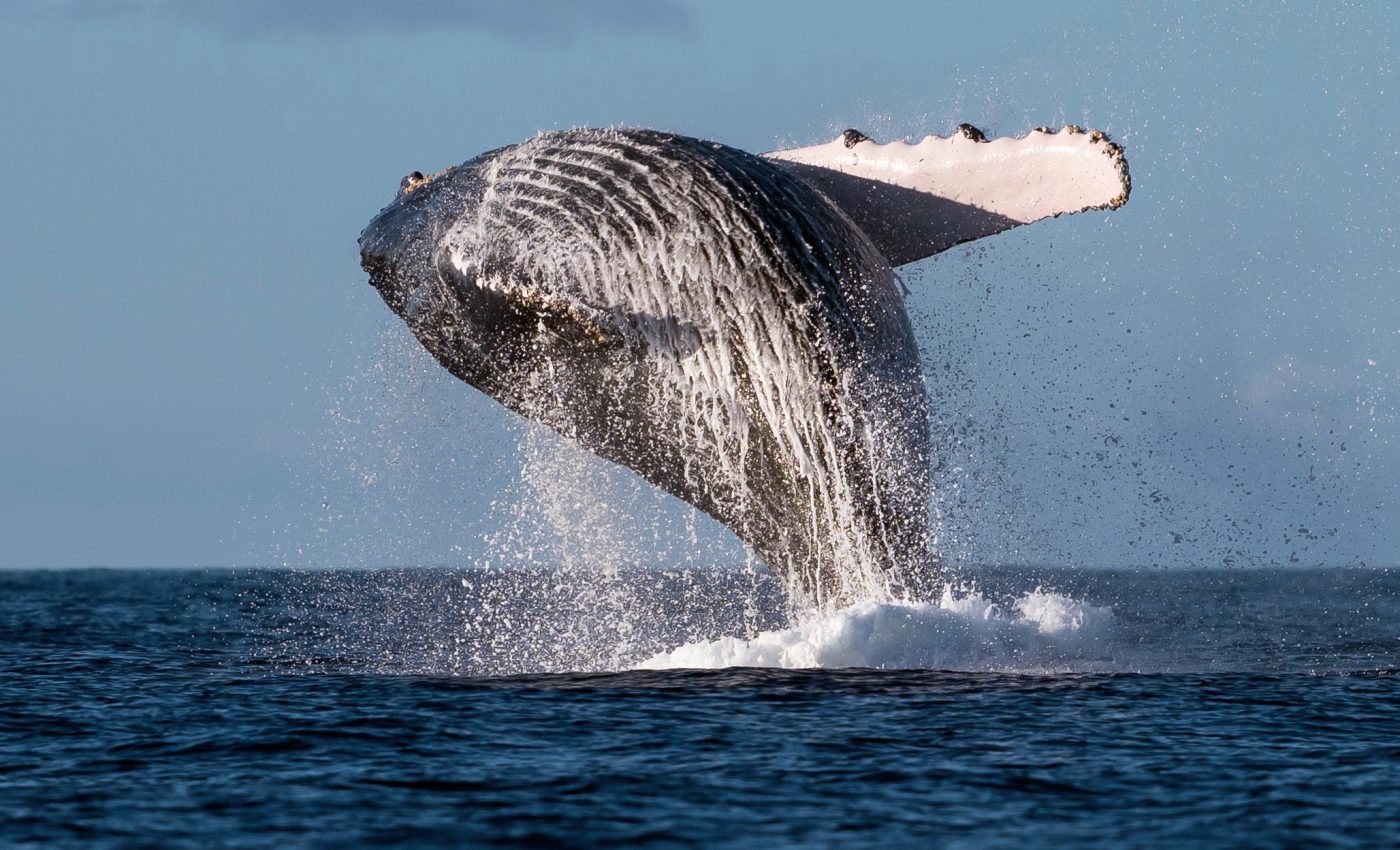
Humpback whales hold a special place in ocean science. Their songs, migrations, and survival stories fascinate researchers and the public alike.
Yet the story of humpback whale history includes deep struggle. Their numbers once dropped so low that many feared they might vanish.

Today, the return of the humpback surprises even longtime whale scientists. The journey reflects changing seas, human choices, and the whales’ own remarkable adaptability.
Humpback whales make a comeback
When University of Southern Denmark whale researcher Olga Filatova began fieldwork in 2000, she spent five years without seeing a single humpback.
“It was incredibly rare to spot one back then. Today, we see them almost every day when we’re in the field,” said Filatova.
Current estimates place the population near 80,000 individuals. Their lowest point sat near 10,000. This growth marks one of conservation’s strongest recoveries.
Flexibility of humpback whales
The 1986 global ban on commercial whaling shaped this rise, but feeding strategies also matter. The ability to adjust their diet gives humpbacks an advantage when seas change.
Filatova highlights this ability through detailed field observations. Long seasons in remote northern waters gave her a close look at how humpbacks respond when prey patterns shift.
She often describes their patience and their willingness to remain in one place even when their main prey declines.
“Unlike several other whale species, humpback whales prefer to stay in an area, even if one food source runs out – as long as there is something else to eat,” said Filatova.
Shifting prey availability
The researchers documented many feeding events during careful surveys in the Senyavin Strait east of the Chukotka Peninsula.
The team first saw about 100 whales hunting polar cod during the 2017 season. The sight suggested a productive year for the region.
The next year looked very different. Cod numbers dropped sharply, leaving parts of the strait almost empty. Yet the whales did not leave.
Instead, they searched the same waters for alternative prey and found abundant krill. This behavior surprised the researchers, because many whale species abandon regions quickly when favored prey disappears.
“We’ve seen humpback whales hunt cod in an area, and when the cod disappeared, they switched to krill,” noted Filatova.
Whales with calm persistence
The shift showed strong dietary flexibility. The team followed the whales through the season and watched them adjust to each new condition with calm persistence.
“This showed us that whales can change hunting behavior and food preference when conditions change. That’s a high degree of flexibility and likely one of the reasons for their evolutionary success,” said Filatova.
Their ability to adapt helps them endure unpredictable marine conditions that challenge many other species.
Humpback whales use hunting tactics
Fin whales often travel widely to find their favored prey. Humpbacks behave differently. They conserve energy and experiment with unusual hunting styles. Their slow bodies and wide flippers limit speed, so they use creative tactics.
One remarkable method is trap feeding. During this behavior, a humpback floats at the surface with its mouth open. Sea gulls grab fish nearby.
Fish fleeing the birds swim straight into the whale’s mouth, believing they enter a safe hiding place.
These clever hunters survive not through speed but through invention and patience. Their behavior shows a rare willingness to try new feeding strategies whenever conditions shift.
Humpbacks in new oceans
“They’re not fast, and they’ve got these big, clumsy flippers – but what they lack in speed, they make up for in creativity and willingness to eat whatever’s available,” said Filatova.
She sees an encouraging future for humpbacks. Melting sea ice opens new waters across the Arctic, and humpbacks explore these areas quickly.
“We are getting more and more reports of humpbacks in Arctic waters where they have never been seen before.”
The whales migrate every year from warm tropical regions to colder high latitude feeding grounds. They depend on rich summer waters and rest during winters.
Filatova expresses greater concern for Arctic specialists such as bowheads, belugas, and narwhals. These species rely on icy habitats and cannot shift easily as seas warm.
The study is published in the journal Marine Mammal Science.
—–
Like what you read? Subscribe to our newsletter for engaging articles, exclusive content, and the latest updates.
Check us out on EarthSnap, a free app brought to you by Eric Ralls and Earth.com.
—–