How warming in Antarctica could shape the future of our climate



 Follow Earth on Google
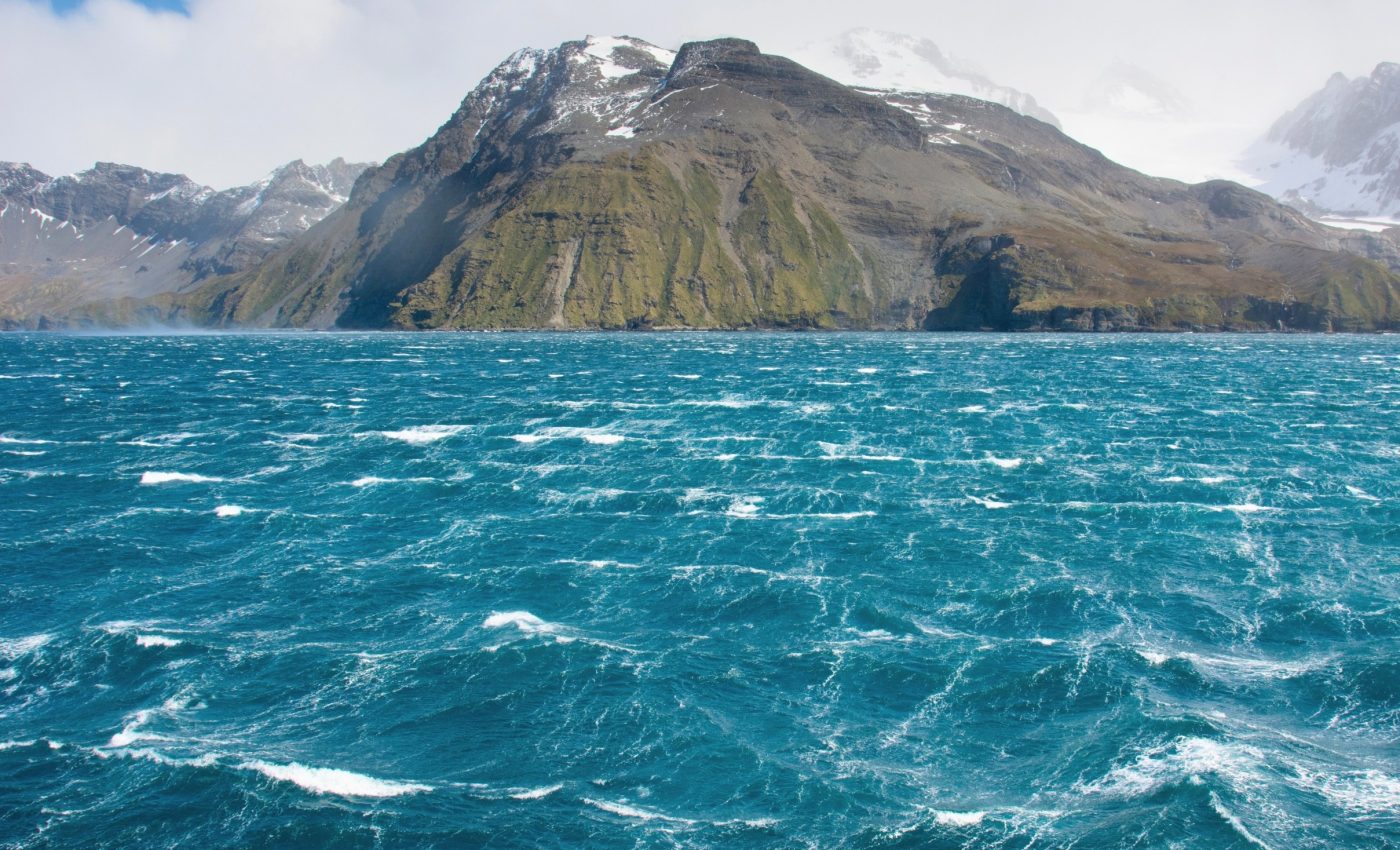
Before anyone steps onto the icy edges of Antarctica, it seems like a place that barely changes. The winds are sharp. The ocean is cold and uneasy. Most people picture snow, ice, and quiet.
But even in that stillness, subtle changes are shaping how much carbon dioxide stays in our atmosphere.

Scientists have been working to understand these natural systems as the continent warms and its ice thins. What they found in East Antarctica points to a surprising source of help.
Ice retreat exposes new rocks
As climate change thins the ice sheets, more mountain peaks begin to poke through the surface. These peaks are called nunataks.
They may seem small compared to the sprawling ice around them, but nunataks leave a mark on the ocean that circles the continent.
When ice retreats, these rocks weather in the open air. They break down into sediments filled with nutrients that the ocean can actually use.
A research group uncovered how strong this effect may be while analyzing sediments from the Sør Rondane Mountains.
Elevated iron in weathered rocks
The team discovered that weathered rocks sitting above the ice hold iron concentrations up to ten times higher than earlier reports from elsewhere in Antarctica.
Glaciers and icebergs pick up this iron and carry it to the Southern Ocean. There, it becomes food for phytoplankton, which are tiny organisms that absorb carbon dioxide through photosynthesis.
The team reported that nunatak sediments carry over three times more extractable iron than the material glaciers already move toward the coast.
Some of the samples were stained with rust, a clear hint that exposed surfaces form especially iron-rich material.
Antarctica’s hidden iron factory
“Our results show that exposed bedrock in Antarctica acts like an iron factory,” said Dr. Kate Winter, associate professor in the School of Geography and Natural Sciences at Northumbria University.
Dr. Winter explained that sunlight can warm dark rocks above 68°F in the summer, even when air temperatures stay below freezing. This sets off the weathering needed to release iron that the ocean can use.
Satellite images show that coastal waters near glacier outlets in the region have repeated phytoplankton blooms. These blooms are part of the reason the Southern Ocean absorbs so much carbon dioxide.
Exploring the potential impacts
According to Dr. Winter, the exciting thing is that we can take some hope from these findings because we know that carbon dioxide is a really important factor in climate change.
“From our research, we now know that sediments from the Antarctic continent could help to draw down atmospheric carbon dioxide into the ocean,” she said.
“While our study area is limited to one glacier system, what we need to understand is the potential impact of these many small amounts being drawn down together across the whole of Antarctica.”
Dr. Winter noted that it’s crucial to gather an accurate picture of how much these natural systems are working to reduce the amount of carbon in the atmosphere.
A long journey to the ocean
Antarctica does not work on human timescales. Even when the right nutrients form in the mountains, they do not rush toward the ocean. They hitch a ride on glaciers that move incredibly slowly.
Using ice flow models, the research group found that it can take between 10,000 and 100,000 years for iron rich sediments to reach the coast.
Dr. Sian Henley is a marine scientist from the School of GeoSciences at the University of Edinburgh.
“While the sediments we examine in the mountains today will take a long time to reach the ocean, we know from seafloor surveys that iron-rich sediments have been delivered to the coast for millennia, so the processes we record today give us a glimpse into changes we might expect to see in the future, as glaciers thin and more mountain surfaces are exposed in Antarctica,” said Dr. Henley.
That time lag is huge, but it still gives scientists clues about how the natural world handles carbon dioxide.
The iron delivery system has been running for a very long time. As more rock becomes exposed, the effect could strengthen.
More iron in Antarctica’s waters
Nature has a few tricks of its own, and this iron pathway is one of them. It does not cancel out human emissions. It does not fix the problem for us.
What it does offer is a look at long term systems already working in the background. These systems do not grab headlines, but they shape the chemical balance of the ocean in ways that matter.
The Southern Ocean already absorbs a large share of the planet’s carbon dioxide. If more iron reaches the water over thousands of years, phytoplankton could grow more easily, and the ocean could continue to act as a major carbon sink. The process is slow, but the direction is clear.
Antarctica often feels distant from everyday life, but research like this reminds us that even the coldest places have a role in shaping the world we live in.
The full study was published in the journal Nature Communications.
—–
Like what you read? Subscribe to our newsletter for engaging articles, exclusive content, and the latest updates.
Check us out on EarthSnap, a free app brought to you by Eric Ralls and Earth.com.
—–