Common and potentially serious disease affects 70% of people without them knowing it



 Follow Earth on Google
By late life, about two thirds of people in Western countries develop an intestinal condition called Diverticular disease. It is rarely noticed, yet it can cause great harm.
Recent national surveys from the United Kingdom show that most adults fall well short of the fiber intake recommended for a healthy gut. On average they eat about 18 grams a day, roughly 60 percent of the 30 gram goal.
Understanding diverticular disease

The work explaining this hidden condition was led by Lisa L. Strate, MD, MPH, at the University of Washington in Seattle. Her research focuses on how diet, lifestyle, genes, and gut microbes influence who develops painful complications and who stays well.
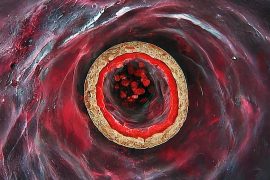
Diverticular disease, a condition caused by pouches that bulge from the colon wall, starts when pressure inside the gut pushes weak spots outward.
Those tiny pockets tend to form in the lower part of the large intestine, where stool is stored before it leaves the body.
Diverticulosis, the medical name for simply having these pouches, often causes no symptoms at all. Many people only discover it when a scan or colon test is done for a different reason.
When one of those pouches becomes angry and infected, it turns into diverticulitis, a more serious flare that brings steady pain, fever, and bowel changes.
Specialist guidance notes that constant left sided pain together with these features should trigger same day medical assessment.
How diverticular stays hidden
Because diverticulosis is usually silent, doctors often focus instead on the small fraction of people who develop painful attacks or heavy bleeding.
Yet long running research in Europe and North America has linked its rise to aging populations, changing diets, obesity, and lower physical activity.
The latest United Kingdom survey found that few teenagers and adults eat the recommended five daily portions of fruits and vegetables. Among 11 to 18 year olds, fewer than 1 in 10 met that goal, and among adults, the figure was about 1 in 5.
Low fiber diets leave stool smaller and harder, so the colon has to squeeze with more force to push it along. Over many years that extra pressure can encourage weak spots to bulge outward and form new pouches.
The same eating patterns that raise the risk of heart disease, such as lots of red meat and refined grains, also track with more diverticular problems. In contrast, diets rich in whole grains, fruits, vegetables, and legumes seem to lower the chances of a painful flare.
Myth about nuts and seeds
For years many doctors told people with this condition to avoid nuts, seeds, popcorn, and corn in case the small pieces got stuck in a pouch. That advice sounded logical, yet it never had strong evidence behind it.
In a long running study of 47,000 men, nut and popcorn eaters had a lower risk of diverticulitis than those who avoided them.
Updated clinical guidance now tells people there is no need to cut out those crunchy foods unless their own doctor advises otherwise.
Instead the focus has shifted toward overall eating patterns and toward other proven risks such as non steroidal pain medicines and smoking.
Diverticular disease signs
Mild cramps, bloating, or changes in stool pattern can happen for many reasons, so they do not always point directly to diverticular disease.
Persistent or unexplained symptoms should still be checked, especially if they keep returning over several weeks.
Sudden constant pain in the lower abdomen, fever, or being unable to pass gas or stool can signal an acute attack that needs fast medical help.
Heavy rectal bleeding, dizziness, or signs of infection such as shivering, confusion, or rapid breathing also warrant emergency care rather than waiting for things to settle.
Protecting your gut
The most helpful steps are simple, even if they are not always easy. Eating more fiber rich foods, drinking enough fluids, staying active, and not smoking all appear to lower the risk of painful flares and future complications.
Practical moves include choosing whole grain bread and cereals, swapping white pasta or rice for brown varieties, and adding beans or lentils to stews, soups, or pasta sauces.
People who struggle to reach their targets with food alone can talk with a doctor or dietitian about fiber supplements or gentle bulk forming laxatives rather than buying random products.
Because every gut is different, anyone with a history of diverticulitis should check changes with their clinical team, especially before using over the counter pain medicines that can irritate the bowel.
When diet, lifestyle, and appropriate medical care line up, many people with this very common condition live full lives without ever having a serious episode.
The study is published in JAMA.
—–
Like what you read? Subscribe to our newsletter for engaging articles, exclusive content, and the latest updates.
Check us out on EarthSnap, a free app brought to you by Eric Ralls and Earth.com.
—–