Mixed grasslands grow more food with less fertilizer



 Follow Earth on Google
Grasslands feed large farming regions across the world. Many farms grow only one main grass and rely on heavy nitrogen fertilizer to keep yields high.
Output stays strong, yet soil, water and climate often suffer in quiet ways. Many farmers now search for approaches that protect land while still giving animals enough good food.

A wide group of scientists from many countries worked together to study a fresh idea from ecology. A field with more plant species might produce more forage and use far less nitrogen.
A new study now gives clear support for that idea. The results come from 26 research sites spread across Europe, North America, Asia and New Zealand.
Farming’s main puzzle
Grassland farmers aim for high yields without long-term damage to land. Older systems depend on heavy nitrogen use and only one or two plant species.
Such simple fields are easy to manage, yet often cause nutrient loss, soil decline and rising climate pressures.
A shift toward more varied plant mixes may offer a better path. Mixed fields can support strong growth, use less fertilizer and improve soil health. Many studies now show clear gains when grasses, legumes and herbs grow together.
More diversity in one field can raise output, cut pollution and create a more stable farming system for the future.
Global research effort
LegacyNet, a global group of researchers, carried out one large shared experiment across many regions. Each location tested three kinds of grassland systems.
One system used only one grass species. Another system paired a grass with a legume. A third system used six species together, made up of two grasses, two legumes and two herbs.
The diverse mixes grew with low nitrogen input, while the single species system needed far more nitrogen.
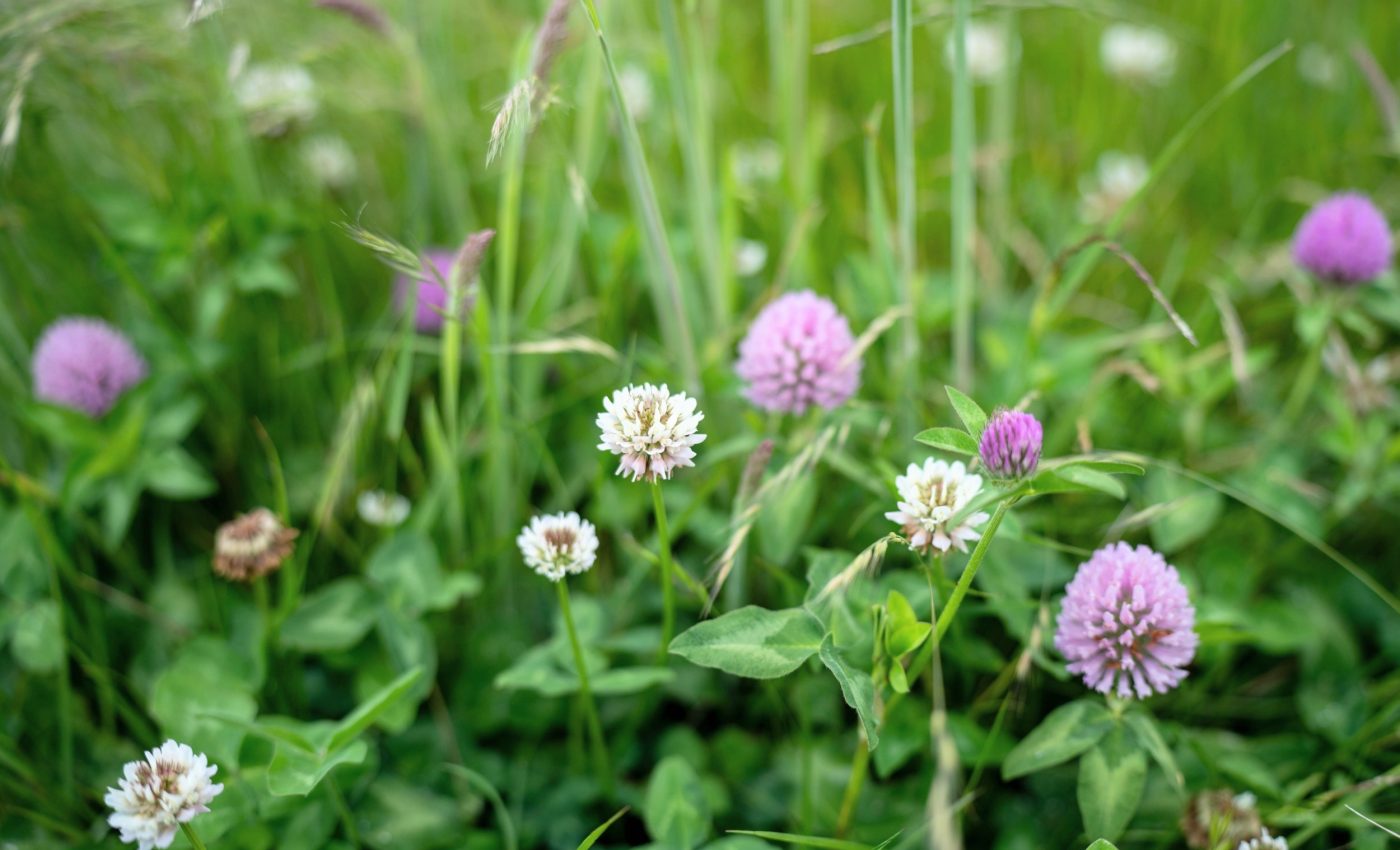
Each site selected plants that fit local conditions. Many places used perennial ryegrass, timothy, red clover, white clover, chicory and plantain.
Large climate differences across all sites offered a natural way to see how mixed plant systems perform under many environments.
Why grassland mixes help
Six species fields reached higher yields than many standard grasslands that received much more nitrogen. Strong growth came from plant teamwork.
Grasses created bulk, legumes added natural nitrogen, herbs added strength under stress. Interactions among groups lifted total output far beyond simple addition of each group.
“This research shows conclusively that adding diversity doesn’t reduce yields, it increases them,” said Carsten Malisch of Aarhus University.
Warm regions saw even larger gains, suggesting strong promise for a hotter future.
Global team effort
LegacyNet also marks a new style of research. Many countries followed one plan, which made results far more reliable.
“Such collaborative efforts have been rare in the past, but they should become increasingly common,” said study co-author Diego Abalos.
Caroline Brophy from Trinity College Dublin noted that a large number of shared sites allows stronger statistics and clearer patterns.
Clear guidance for farms
Mixed fields with grasses, legumes and herbs can cut fertilizer use and still raise output.
“Ultimately, we show that multi-species mixtures deliver more yield from less nitrogen fertilizer,” said study co-author John Finn.
Extra insight from the research paper points to useful seed mixes. Strong results appeared in fields with roughly one third to two thirds legumes, plus enough grasses and herbs to keep balance and resilience.
That range supported high yield under many climates. Many mixes in that range also reduced fertiliser needs and supported soil health.
Grassland diversity can shape farming
Early trials in Ireland slowly expanded as more research teams saw value in a shared approach.
Over time, small national projects turned into a wide global network that linked many continents. Results from all regions point toward one clear idea.
Grasslands with a richer mix of plant species can support better animal nutrition, hold soil together, slow nitrogen loss and cope more effectively with rising heat. Even a small change in seed selection can set a farm on a healthier path.
Mixed fields often grow deeper roots, pull nutrients from more parts of the soil and stay productive under stress.
Such systems offer farmers a chance to protect land, reduce costs and build a more stable future for food production.
The study is published in the journal Science.
—–
Like what you read? Subscribe to our newsletter for engaging articles, exclusive content, and the latest updates.
Check us out on EarthSnap, a free app brought to you by Eric Ralls and Earth.com.
—–