Simple kitchen waste product makes plants grow taller and stronger, outperforming fertilizers



 Follow Earth on Google
Every time someone tosses a banana peel in the trash, they are throwing away a ready made boost for crops. New research shows that simple fertilizers from these peels can make plants taller and healthier than those in untreated soil.
Bananas are one of the world’s top fruit crops, with harvests reaching about 116 million tons in recent years. Because the peel makes up a quarter of each fruit by weight, mountains of skins end up as waste instead of feeding soil.
Banana peels, crops, and soil

The work behind the new review was led by Nokuthula Khanyile, a researcher at the University of Mpumalanga in South Africa.
Her research focuses on turning agricultural waste, including banana peels, into safer fertilizers that support both crops and soil life.
In a recent review, her team gathered results from 126 studies that tested banana peel based fertilizers on many different crops.
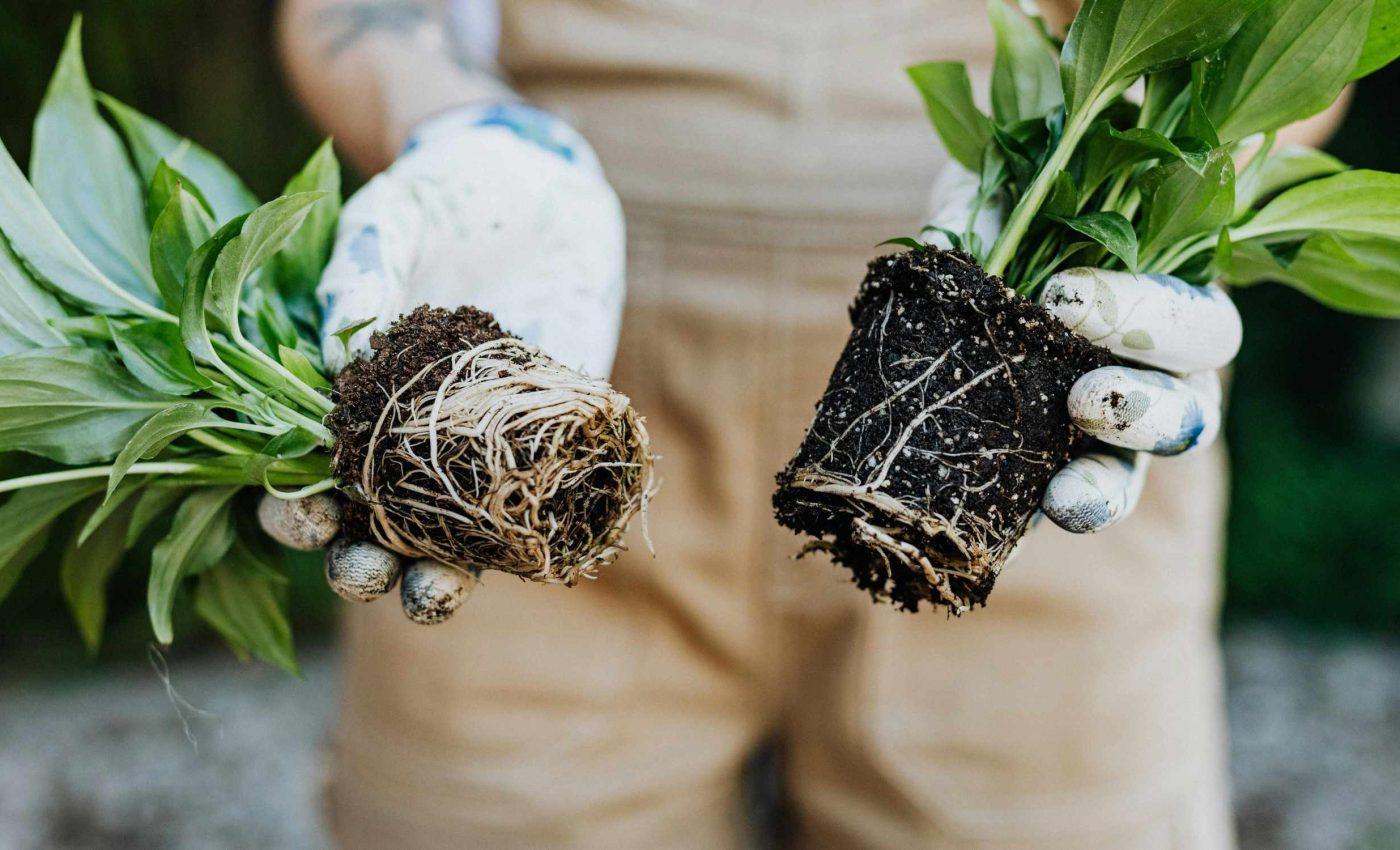
Across those experiments, plants given peel based treatments often grew taller, produced more leaves, or germinated faster than plants grown in untreated soil.
Banana peels are packed with macronutrients, nutrients plants need in relatively large amounts. Analyses of their chemistry show high potassium alongside nitrogen, phosphorus, calcium, and magnesium, which are exactly the elements farmers buy in commercial fertilizer blends.
Right now most banana peels still go to landfills, where rotting food adds to greenhouse gas emissions and wastes all of those nutrients.
Turning them into fertilizers instead links a common household habit, eating bananas, with cleaner farming and less pressure to mine or manufacture new nutrients.
From kitchen scrap to biofertilizer
Researchers use the word biofertilizer, fertilizer made from living or once living materials, for many of these peel based products.
Some methods are simple, such as sun drying peels, grinding them into a coarse powder, and mixing that directly into the soil before planting.
That review found one recipe turning up often, a blend of dried banana peels with dried orange peels used as fertilizer. In the trials it summarized, this fruit peel mix often increased leaf area and root length more than untreated soils.
Other teams crushed fresh peels into slurry and heated them with simple ingredients, then filtered the liquid to make concentrated fertilizer.
That liquid can be diluted with water and poured onto soil, so plants take up the nutrients through their roots.
Some projects go further and ferment banana peels with coffee grounds or other plant wastes. During that time, microbes slowly release nutrients into the liquid, and early tests suggest the resulting fertilizers can speed up leafy vegetable growth.
Testing banana peels on crops
One experiment with pea plants tested banana peels decomposed in soil for different lengths of time. Peels that had broken down for about two months supported the best germination and growth, while longer decomposition made the plants weaker.
The same study also tested peels that had decomposed in water instead of soil. Those peels gave the highest germination rate after about six months, but plant height stopped improving as decomposition went on.
For fenugreek, researchers compared dried banana peel powders with liquid extracts made from the same material. Plants given the liquid extract grew taller and produced more greens over the same period than those given the dry powder.
In okra experiments, researchers combined banana peel powders with other fruit peels and added them before planting and again later near the stems.
That schedule produced richer leaf color, larger leaf area, and heavier pods than soil that only received the usual chemical fertilizer.
Implications for fertilizers
Modern farming still leans heavily on synthetic NPK fertilizers, which are blends of nitrogen, phosphorus, and potassium made in factories that depend on fossil fuels.
These products have boosted yields for decades, but overuse lets extra nitrogen wash into water and trigger eutrophication, overgrowth of algae that harms fish.
One global analysis found that synthetic nitrogen fertilizers produce about 2 percent of total human greenhouse gas emissions. That share is large for a single farm input, so any safe replacement for part of this nitrogen matters.
The Environmental Protection Agency (EPA) has linked excess fertilizer nitrogen to smog, fine-particle pollution, and unhealthy levels of nitrate in drinking water.
Because banana peel based fertilizers release nutrients slowly and rely on recycled waste, they offer a route to cut losses while keeping yields steady.
Crop lessons from banana peels
For home gardeners and small farms, the message is straightforward. Banana peels, orange peels, coffee grounds, and similar scraps can be turned into useful fertilizer with simple tools instead of being tossed out.
The research also highlights what does not work as well. Banana peel biochar, a charcoal like soil additive made from heated plant waste, often had little effect on plant height at the doses tested.
Many of the trials reviewed stopped at the seedling or early growth stage. Researchers still need long season field tests that follow crops to harvest and check not just yield, but also nutrient content and shelf life.
The chemistry of banana peels changes with variety, climate, and storage, so future work needs recipes that farmers can trust from season to season.
That includes measuring not only nutrient levels in the fertilizers, but also how each blend affects soil structure and root microbes.
If even a fraction of the world’s banana peels were turned into well tested fertilizers, farmers could cut their dependence on costly synthetic products.
The new work on kitchen waste based fertilizers suggests that a cleaner fertilizer future may already be sitting in compost buckets on kitchen counters.
The study is published in Agriculture.
—–
Like what you read? Subscribe to our newsletter for engaging articles, exclusive content, and the latest updates.
Check us out on EarthSnap, a free app brought to you by Eric Ralls and Earth.com.
—–