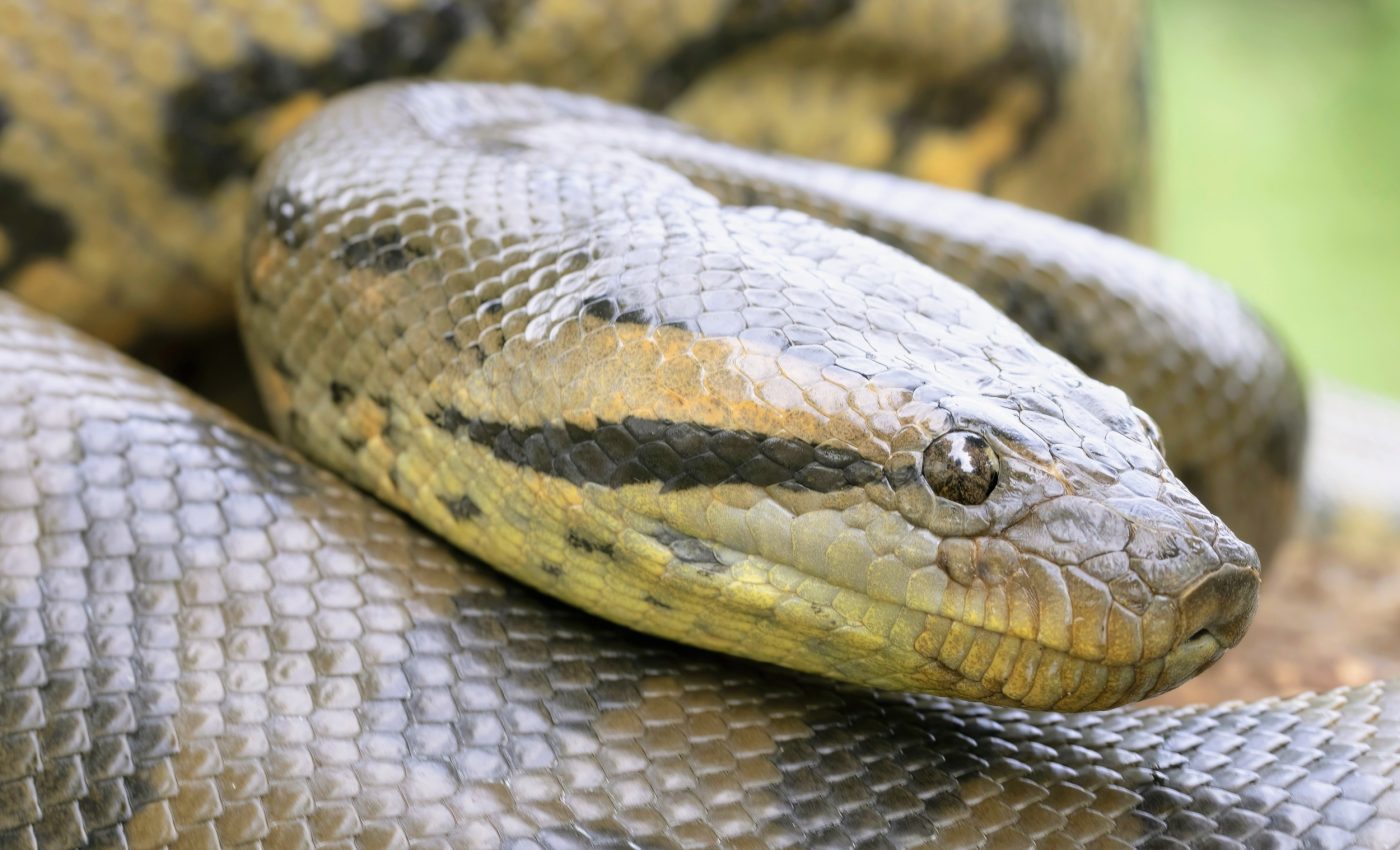
Anacondas were already giants 12 million years ago



 Follow Earth on Google
Giant anacondas reached their huge size very early and kept that size for millions of years. Fossils show that their bodies were over five meters long before many other large reptiles appeared.
Ancient wetlands offered plenty of food and safe habitats, which supported strong growth.

Many giant reptiles later died out when climates cooled and waterways shifted. Giant anacondas continued without major size change. Predator pressure stayed low, and prey stayed reliable.
Genetic studies and fossils both show long-lasting stability in body length. No single cause explains such endurance, yet giant forms survived many shifts in ancient South American landscapes.
Early steps toward gigantism
Fossil records from Venezuela show that giant anacondas were already huge by 12.4 million years ago. Linear models confirm that pattern across many fossils.
Ancestral reconstructions from genetic data place steps toward gigantism far earlier. Evidence from coiled bones shows size remained stable across Middle Miocene wetlands.
Warm climates and vast water networks created rich reptile communities. Giant crocodilians and turtles reached peak size in that period, yet vanished later. Anaconda size still endured.
Snakes in warm tropical zones
Research groups studied key backbone shapes to work out body size. Cotyle width and gap size between zygapophyses gave strong size clues.
Backbones from over 30 snakes point to body lengths around four to five meters. Genetic work suggests early ancestors reached about four meters.
Fossils show even larger bodies, which means rapid growth soon after origin. Family-history studies place early splits far back in Paleogene time, long before many other giant reptiles appeared.
Size growth seems to have begun soon after first snakes of this group entered warm tropical zones. Fossil size estimates match genetic models in a surprising way, giving strong support for early giant growth.
Early growth and long stability
Backbone patterns carry clear signals of long bodies, even when bones show wear from age or soil pressure.
Many samples come from wide river plains, swamp margins, and slow-water zones. Such habitats suit heavy, slow-swimming snakes and offer steady food access.
Genetic signals carry records of old line splits and long survival across changing climates. Early snakes likely gained strong hunting power from bigger bodies, which helped survival during major landscape shifts.
Strong overlap between bone data and genetic models shows a story of early size gain followed by long stability.
Habitats shaped anaconda size
In ancient times, northern South America held immense wetland systems. Pebas wetlands covered broad lowlands for many millions of years. Shallow lakes, slow channels, and warm water corridors supported thriving reptile guilds.
Later uplift of Andean ranges reshaped water flow. Acre systems replaced Pebas networks during cooler global phases. Many large reptiles declined once wetlands contracted. Fossil traces show giant anacondas active in channels, lakes, swamps, and delta plains.
Modern habitats mirror those ancient zones. Suitable prey communities remain stable across long spans. Capybaras, fish, birds, and many reptiles filled diets then and now.
Giant anaconda size remained steady
Scientists long expected larger bodies in warmer past climates. The findings overturn that view for anacondas. No fossil shows the eight-meter giants that were once believed common.
Stable length across millions of years points toward strong internal constraints.
Ecological pressures may have shaped early body plans. Predator competition stayed low in many Miocene communities. Many carnivores arrived much later from northern continents.
Giant reptiles filled top roles with little interference. Ample prey and calm competition may have allowed steady growth patterns. Yet later ecosystem shifts did not reverse that scale.
How giant anacondas survived
Large bodies in anacondas appeared very early and stayed strong for millions of years. Climatic cooling wiped out many giant reptiles.
River systems broke apart into smaller channels. Food networks changed across many regions.
Fossils show no clear shrinkage in anaconda size. Genetic studies also point to long periods of stable length. Giant forms moved through changing habitats without major shifts.
New animal groups arrived and others vanished, yet anaconda size stayed steady. Moving landforms and rising mountains also failed to alter body scale.
Legacy of the giant anaconda
No single factor explains such strong size stability. Warm early wetlands likely helped early growth. Rich prey fields supported steady feeding.
Low predator pressure may have allowed calm expansion of hunting space. Later cooling did not break that pattern.
Modern wetlands still provide enough space and food for large snakes. Ancient water zones held even larger networks, so steady giant size fits those settings.
Long survival across shifting lands shows a snake line with strong internal limits and strong ecological support.
Scientists now see giant anacondas as rare survivors of an ancient world, keeping their early body form for reasons that are still being explored.
The study is published in the Journal of Vertebrate Paleontology.
—–
Like what you read? Subscribe to our newsletter for engaging articles, exclusive content, and the latest updates.
Check us out on EarthSnap, a free app brought to you by Eric Ralls and Earth.com.
—–