Archaeologists discover a lost city in Peru buried under sand for 3,800 years



 Follow Earth on Google
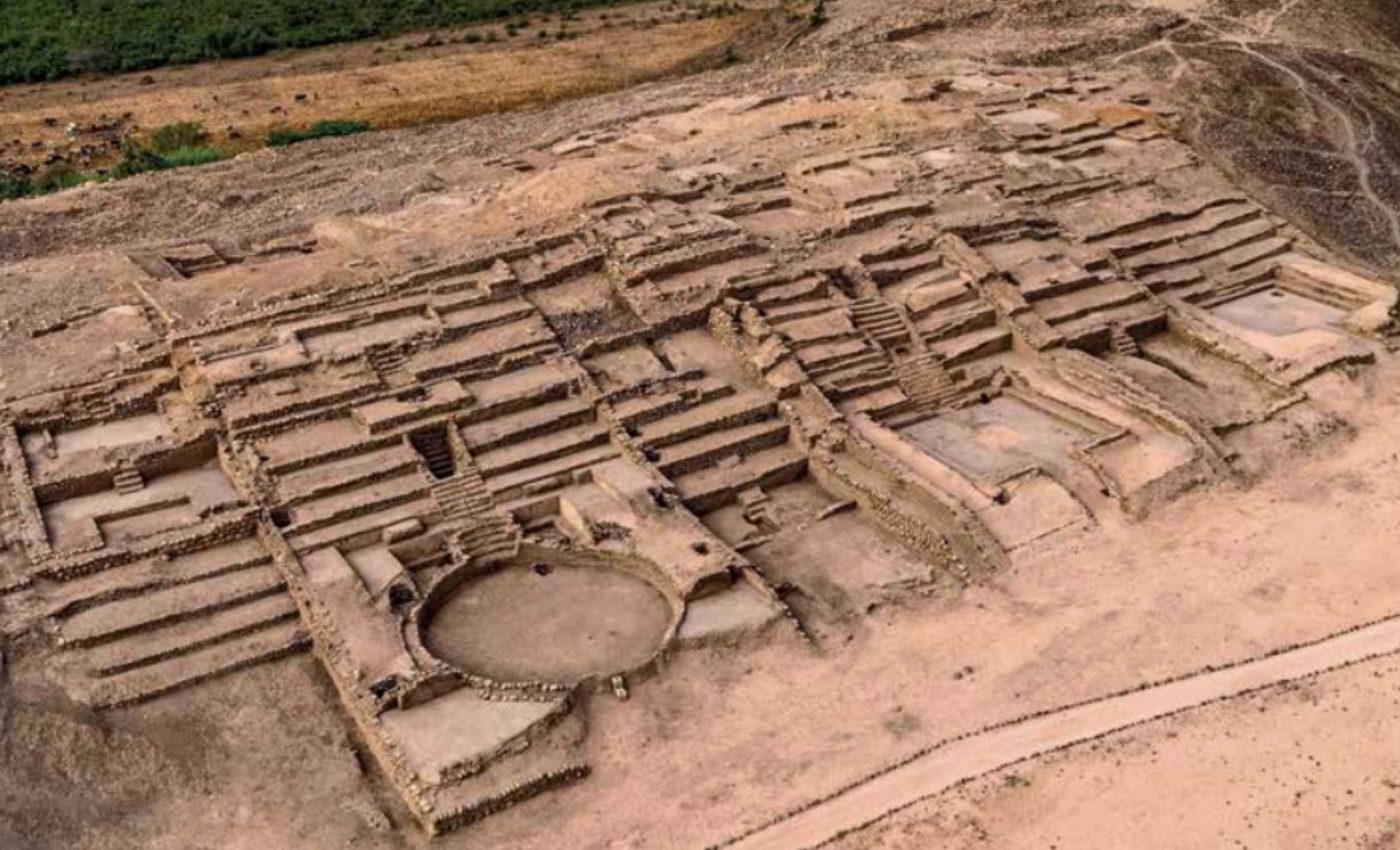
Four hours north of Lima, archaeologists have uncovered Peñico, a 3,800 year old desert city built by the people of Caral. Buried in sand for millennia, its plazas, temples, and sculptures are reshaping ideas about early life in the Americas.
Peñico shows how this early urban society met climate stress without turning to warfare. Its pelican bone flutes, earthquake ready plazas, and shared meeting spaces reveal a community that leaned on cooperation and ritual during a time of crisis.
Peñico was a peaceful city

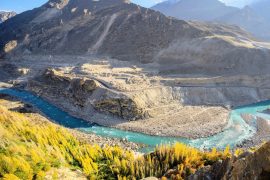
The Supe Valley looks dry and fragile today, but it once held Caral, a city that rose about five thousand years ago and is now recognised as the oldest center of civilization in the Americas.
Caral-Supe is protected as a World Heritage Site, a title for places that hold exceptional cultural or natural value.
The work was led by Ruth Shady, an archaeologist who directs the Caral Archaeological Zone for Peru’s Ministry of Culture.
Her research focuses on how the earliest cities of the central Andes formed, governed themselves, and responded to changes in their environment.
From this base in the Supe Valley, Caral linked the Pacific coast, nearby river valleys, and distant jungle communities through dense exchange networks.
An official publication describes farmers sending cotton, fruits, and chili peppers downriver while receiving marine fish, highland timber, colorful feathers, and even monkeys that became status symbols and pets.
Unlike many later states in the region, Caral did not surround itself with defensive walls or stockpile weapons in its monumental buildings.
An overview notes the striking absence of weapons, fortifications, or mass graves in the excavated neighborhoods, which suggests that authority rested more on religion, ritual, and control of trade than on organized violence.
From Caral to Peñico
Peñico emerged centuries after Caral’s main pyramids declined, becoming a new center in the middle Supe Valley on higher, cooler ground. A Caral project book links its founding near 1,800 BC to the final phase of the Caral civilization.
The city sits on a broad terrace near a steady spring and close to both the Supe and Huaura valleys. Its position let caravans from the Andes, the Pacific coast, and the edge of the Amazon meet in one place, making it a hub of social integration rather than a defensive site.
Archaeologists have documented 18 major structures, from stepped public buildings to dense residential blocks, along with circular and square plazas.
A prominent temple shows reliefs of shell trumpets, and a nearby rounded visitor center echoes the ancient sunken plazas once central to public life.
Some plazas include leveled open courts interpreted as early seismic squares meant to stay stable during strong earthquakes.
Their stone edging, compacted fills, and ringed layout suggest builders who approached tremors as an engineering problem, not a supernatural force.
Music, bones, and ritual life
Caral’s amphitheater features a circular court in front of a stepped platform, forming a natural center for sound and movement during ceremonies.
Architects think the mix of low circular spaces and terraced walls helped guide crowds and steady the ground in an area known for strong earthquakes.
Excavations uncovered 32 transverse flutes made from pelican bones or engraved with monkeys and condors.
These instruments point to ties with distant coasts and forests because pelicans, rainforest primates, and condors do not live in the same places.
Shady noted that the instruments were used to welcome groups from the coast, mountains, and jungle into shared rituals, creating a picture of processions and concerts that eased tension through ceremony.
At Peñico, researchers found unfired clay figures, necklaces of shell and stone, and carved bones, including one shaped like a human skull.
A vivid sculpture showing a woman’s head with a detailed hairstyle and a red hematite painted face suggests that status and belief were expressed through color.
Peñico adapted to drought
Around four thousand years ago, the north central coast of Peru entered a period of severe climatic upheaval that brought repeated droughts and flooding to coastal valleys.
One regional climate study links shifts in rainfall and ocean conditions during this interval to crises in several ancient Andean societies that depended heavily on river irrigation.
Archaeological layers in Caral and related sites show that, as rivers shrank and fields failed, many major urban centers were gradually abandoned.
Some survivors moved toward the coast and focused more on fishing, as seen at Vichama and other settlements that expanded while inland pyramids fell quiet.
Peñico represents a different strategy, one based on moving closer to reliable freshwater sources without cutting ties to long distance exchange routes.
By building on a raised terrace fed by spring and meltwater, its planners balanced access to arable land with protection from destructive floods that could sweep the lower valley.
“Peñico continues Caral’s tradition of living in harmony with nature and relating to other cultures with respect,” said Ruth Shady.
The city’s location and architecture suggest leaders who tried to manage scarcity with cooperation, careful water planning, and ritual obligations rather than by seizing land from their neighbors.
Lessons for a warming world
Today, Peru still depends on snow and ice in the Andes to supply rivers that cross its desert coast, including the Supe Valley.
According to Peru’s national ice inventory, a government report found that the country has already lost about 56 percent of its tropical glaciers in less than six decades.
As these high mountain ice fields retreat, dry season river flows decline, putting farmers, fishers, and city dwellers under growing pressure.
Communities that already live in marginal lands may face choices that echo those of Caral and Peñico, such as whether to migrate, reorganize water use, or redesign their towns to match new climate realities.
Shady stressed that climate change calls for new perspectives that support quality of life and mutual respect. Her view reflects a wider lesson drawn from the sites.
Peñico’s plazas and bone flutes do not offer direct guidance today, but they show a society that met crisis with cooperation and shared spaces. That choice suggests stability can grow from collaboration even as environments shift.
—–
Like what you read? Subscribe to our newsletter for engaging articles, exclusive content, and the latest updates.
Check us out on EarthSnap, a free app brought to you by Eric Ralls and Earth.com.
—–