Celtic gold treasure found on a druid-linked island reignites the mystery of Anglesey



 Follow Earth on Google
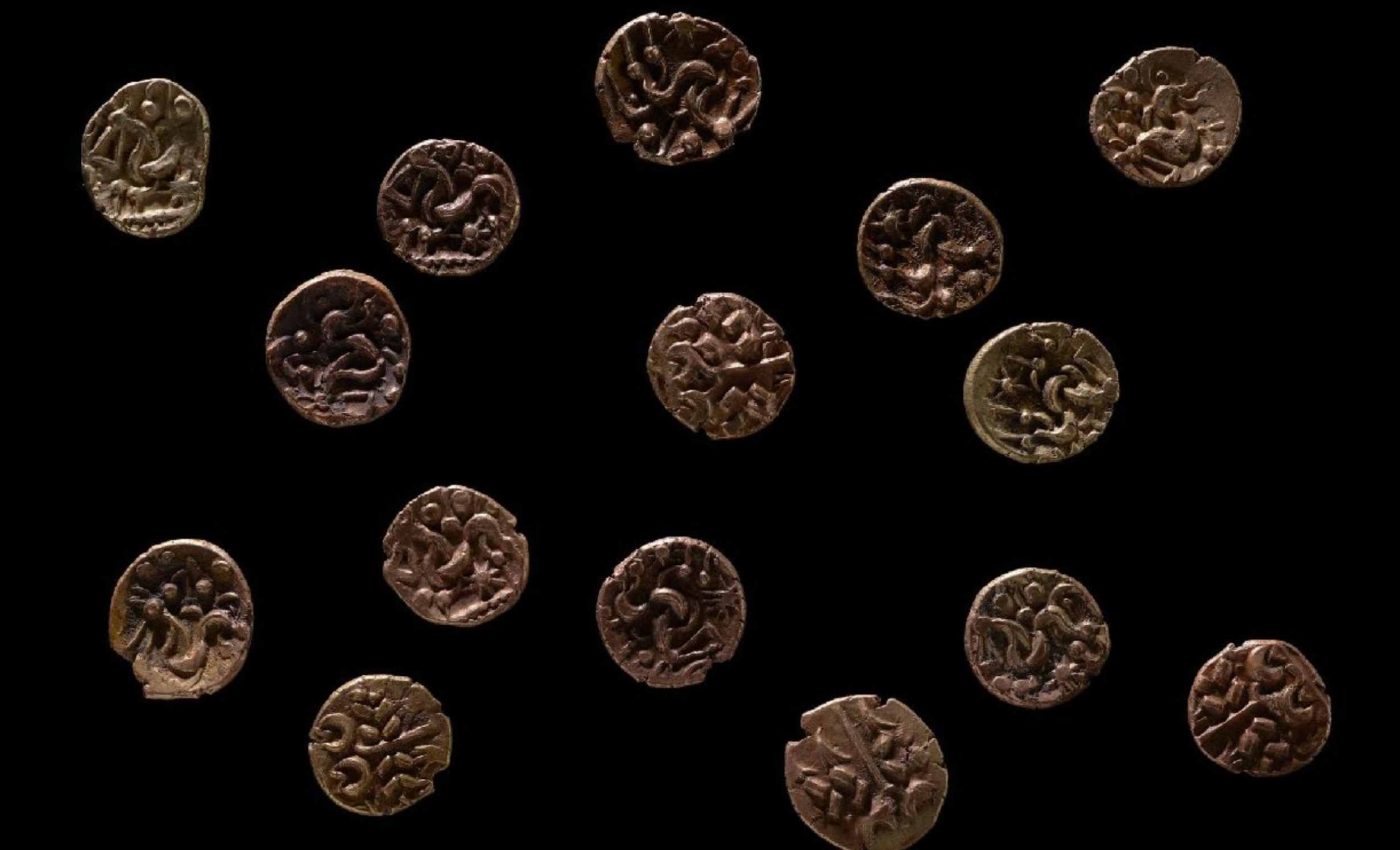
Fifteen Iron Age gold coins found in a field on Anglesey have just been officially classed as treasure. A recent report describes the discovery and confirms the coins are the first Iron Age gold pieces ever recovered in Wales.
The coins came from a Celtic tribe based in what is now England’s East Midlands. They somehow traveled roughly 200 miles west to an island long linked with druids, religious leaders in ancient Celtic communities.
Celtic gold on Anglesey

The investigation of this find has been led by Sean Derby, a historic environment record archaeologist. His research focuses on using small finds and landscape clues to chart prehistoric and early Roman activity across northwest Wales.
Long before the Romans arrived, Anglesey already had a powerful religious reputation across Britain. A museum describes sacred groves and lakes on the island where druids may have carried out ceremonies involving offerings and even human sacrifice.
Finding a Celtic gold stash on an island packed with prehistoric tombs and ritual sites fits that long running reputation. Instead of belonging to legendary priests in white robes, though, these coins point to farmers, traders, and chiefs moving between very different parts of Britain.
The findspot lies in a landscape with Bronze Age monuments, Iron Age farms, and early Roman activity recorded nearby. This hoard is a fantastic example of the rich archaeological landscape that exists in northwest Wales.
How 15 coins became treasure
Three hobby metal detectorists, Peter Cockton, Lloyd Roberts, and Tim Watson, picked up the coins one by one while sweeping a pasture near the village of Llangoed.
They reported the discovery to the Portable Antiquities Scheme, a national database that logs archaeological finds made by members of the public.
Under the Treasure Act, a UK law on reporting valuable finds, the coroner for North West Wales ruled the coins count as treasure.
That decision clears the way for a local museum to acquire the group, with any financial reward split between the finders and the landowner.
Analysis suggests the coins were produced sometime between 60 and 20 BCE at three separate mints in the region now known as Lincolnshire.
Researchers link them to the Corieltavi, a farming community in the East Midlands that began issuing inscribed gold coins during the late Iron Age.
Coins like these probably moved along trade routes that connected farming lowlands to coastal communities and island sanctuaries.
In this case they ended up in a corner of a pasture, scattered across the soil rather than tucked inside a pot or purse.
Decoding the Anglesey coins
The Anglesey pieces are staters, thick gold coins that carried high value in Celtic Europe and Britain. Each one is roughly the size of a modern nickel but significantly heavier because of its gold content.
Their designs trace back to Macedonian gold staters of Philip II, which pair the head of Apollo with a two horse chariot. On the Welsh pieces, Apollo survives as stylized locks of hair and a wreath, while the reverse shows a compact horse ringed by small abstract symbols.
Celtic engravers did not exactly copy Greek art but gradually broke the human figure and chariot into curves, pellets, and floating shapes.
To a modern eye the coins look abstract, yet every swirl and dot still follows rules that specialists use to sort different tribal types.
Researchers suspect these staters were not everyday pocket money but special items given as diplomatic gifts or placed as offerings to gods.
That idea fits an isolated group of coins buried far from the tribe that issued them, without any obvious sign of a market, shrine, or home nearby.
Stalbridge and other hidden hoards
Another recent discovery, the Stalbridge Hoard, a Bronze Age group from southwest England, shows how varied ancient buried riches can be. It includes a palstave axe head, a decorated bangle, and a rapier sword broken into three pieces, now held by Dorset museum after a funding appeal.
Stalbridge sits more than a thousand years earlier than the Anglesey coins, yet both deposits show communities choosing to bury valuable metal rather than melt or trade it.
Archaeologists weigh up possibilities such as ritual offerings, emergency hiding places during unrest, or a way of marking important places in the landscape.
In archaeology the word hoard, a deliberately hidden group of valuables, has a meaning that goes beyond simply losing something.
When repeated patterns appear across many sites and centuries, researchers can start spotting habits in how people thought about wealth, safety, and the gods.
Modern detectorists sit at the center of this story because responsible reporting turns chance discoveries into evidence that everyone can study.
Without their cooperation and the support of museums and local councils, many buried hoards would be sold off piecemeal and their stories lost.
Lessons from the Anglesey gold
These 15 coins came from farmers who lived far from Anglesey, yet their gold still ended up on an island linked to druids and revolt.
That journey captures how power, belief, and trade tied Iron Age communities together even when they spoke different dialects and followed local leaders.
From the Bronze Age sword and jewelry at Stalbridge to the Iron Age gold on Anglesey, buried metalwork tracks big changes in technology and society over many generations.
Yet the repeated act of hiding valuable objects tells us that people across time worried about safety, honored their gods, and tried to leave their mark on particular places.
As the Anglesey coins move toward museum display and the Stalbridge objects settle into their new cases, both finds will keep raising fresh questions about who buried them and why.
For now they give a sharp, glittering glimpse of ordinary lives woven into the legends of druids, Romans, and Celtic kingdoms that once shared these islands.
Image credits: National Museum Wales
—–
Like what you read? Subscribe to our newsletter for engaging articles, exclusive content, and the latest updates.
Check us out on EarthSnap, a free app brought to you by Eric Ralls and Earth.com.
—–