Friends with metal detectors find a coin hoard worth over $4 million



 Follow Earth on Google
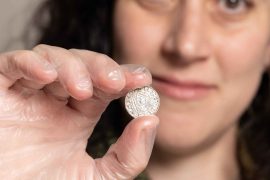
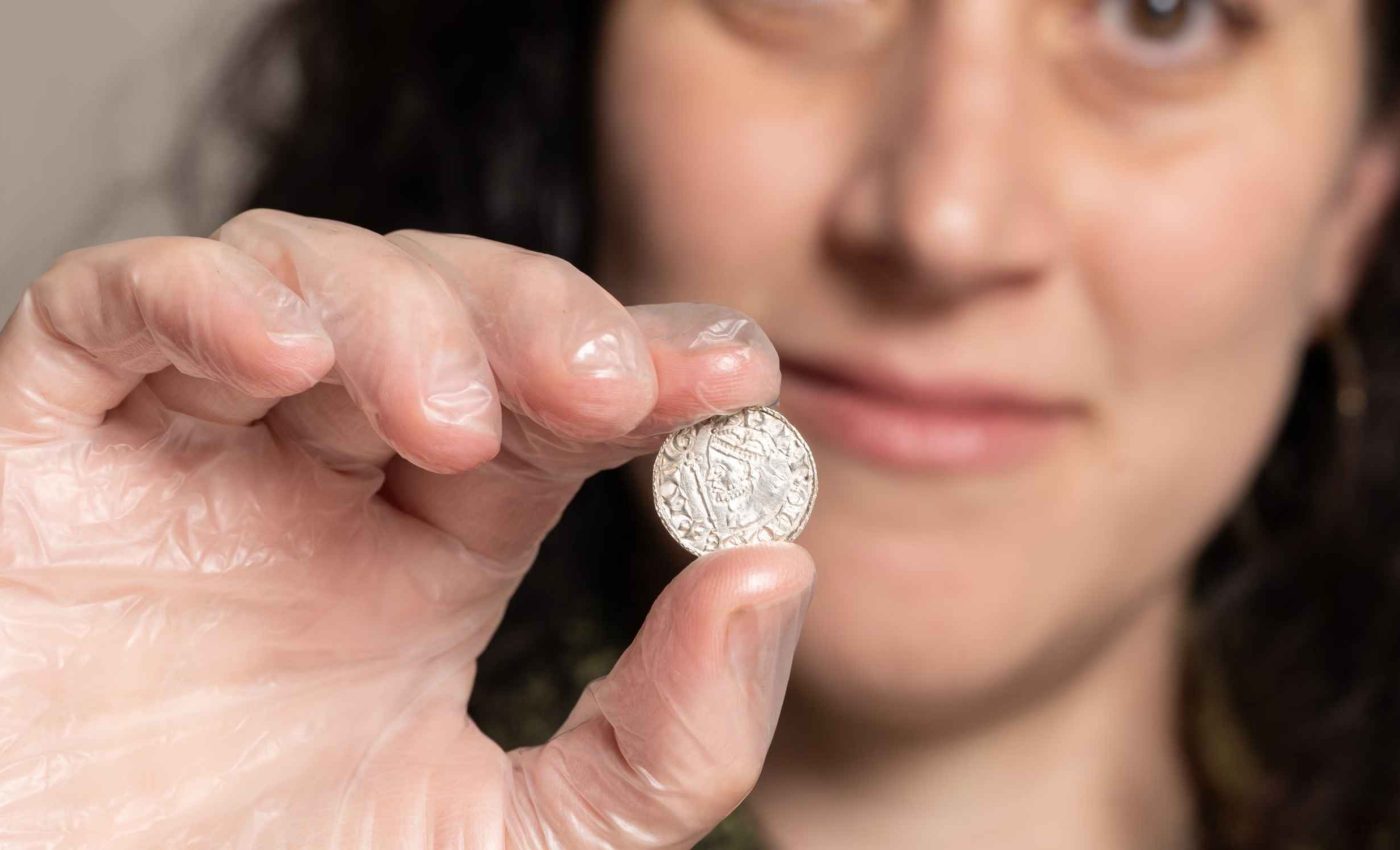
A group of friends using metal detectors in Somerset stumbled on a buried hoard containing 2,584 medieval coins. Called the Chew Valley Hoard, the coins date from the years around the Norman Conquest and capture a moment when England’s rulers, language, and laws were being rewritten.
That find is finally heading back to the West Country for people to see up close. They are returning to the region for a major exhibition and a new permanent gallery that will anchor learning projects across schools and communities.
Chew Valley Hoard

The work was led by the South West Heritage Trust, an independent charity that cares for museums and archives across Somerset and Devon.
Its archaeologists and curators have worked with the British Museum and local councils to secure the hoard for the public.
In October 1066, England’s last Anglo Saxon king, Harold II, died fighting Norman forces led by Duke William at the Battle of Hastings.
William became king, and over the following decades Norman lords took over most of the land, rebuilt castles and churches, and tied power more tightly to the crown.
Money sat at the center of those changes, because royal coinage already formed a well organized tax and payment system before the invasion.
Controlling silver pennies meant controlling soldiers’ pay, tax collection, and the messages printed on every piece of money.
The Chew Valley Hoard freezes that upheaval by preserving money that ordinary people actually handled during those tense years. Each coin shows whose name and authority still counted enough to be stamped into metal.
Reading history silver
The Chew Valley hoard holds a mass of silver pennies minted between about 1066 and 1068, mostly in English towns from Bath to York.
Those coins show three kings, with just under half naming Harold II, a little more than half showing William the Conqueror, and a single unusual piece carrying Edward the Confessor.
Behind those royal portraits sit about 100 moneyers, professional officials authorized to strike coins for the king, working at 46 different mints.
Their names, stamped around the edges, give one of the earliest surviving lists of skilled workers tied to specific English towns.
A detailed report by curator Gareth Williams shows that Harold’s pennies mostly use the PAX design and William’s follow his first Profile Cross Fleury type.
Because all of William’s coins are from that earliest type, specialists can pin the burial down to roughly 1067 to 1069, right in the early years of Norman rule.
Numismatists have pointed out that the Chew Valley find is by far the largest hoard from the immediate post conquest years, giving a much deeper sample of Harold’s very short reign.
One recent chapter argues that these extra coins let researchers rethink his coinage and its role in royal finance.
Burying the Chew Valley hoard
Evidence from the wear on the coins and their types suggests the hoard was buried in the later 1060s, while memories of the Battle of Hastings were still raw.
It seems to have been hidden on land that later belonged to Giso, bishop of Wells, probably by someone responsible for a large estate in the region.
Those years were marked by uprisings in the south west, including a major rebellion at Exeter in 1068 that forced William to besiege the city.
Scholars think the silver may have been stashed during that unstable period, when backing the losing side could cost land and life.
The idea of sudden, unsettling change feels familiar in a world that still worries about conflict, uncertain leadership, and who controls money. Seeing a thousand year old emergency savings pot makes that turbulence feel less distant.
Lucky find in a Somerset field
The coins were found when seven detectorists searched a ploughed field in the Chew Valley with the landowner’s permission.
Instead of a single lost penny, they ended up recovering scattered clusters of silver from the top layer of soil.
They notified the Portable Antiquities Scheme, a national program that records archaeological finds made by the public, so the coins were quickly moved to the British Museum for conservation and cataloguing.
Conservators removed soil, recorded every inscription, and pieced together where each fragment had come from within the field.
An independent Treasure Valuation Committee later set the hoard’s worth at 4.3 million pounds, making it the highest value treasure acquisition on record under the United Kingdom’s treasure laws.
That valuation is based on historical importance and rarity, not just the raw silver. Funders, including the National Lottery Heritage Fund and Art Fund, stepped in so South West Heritage Trust could buy the hoard on behalf of the nation.
Part of that money also supports school sessions, community projects, and the new gallery where the coins will live.
—–
Like what you read? Subscribe to our newsletter for engaging articles, exclusive content, and the latest updates.
Check us out on EarthSnap, a free app brought to you by Eric Ralls and Earth.com.
—–