How a prairie butterfly’s vision shifts with the seasons



 Follow Earth on Google
As autumn settles in, cool winds sweep across the grasslands, replacing the summer’s heat and shortening the hours of daylight. Many animals respond by shifting their colors and behaviors.
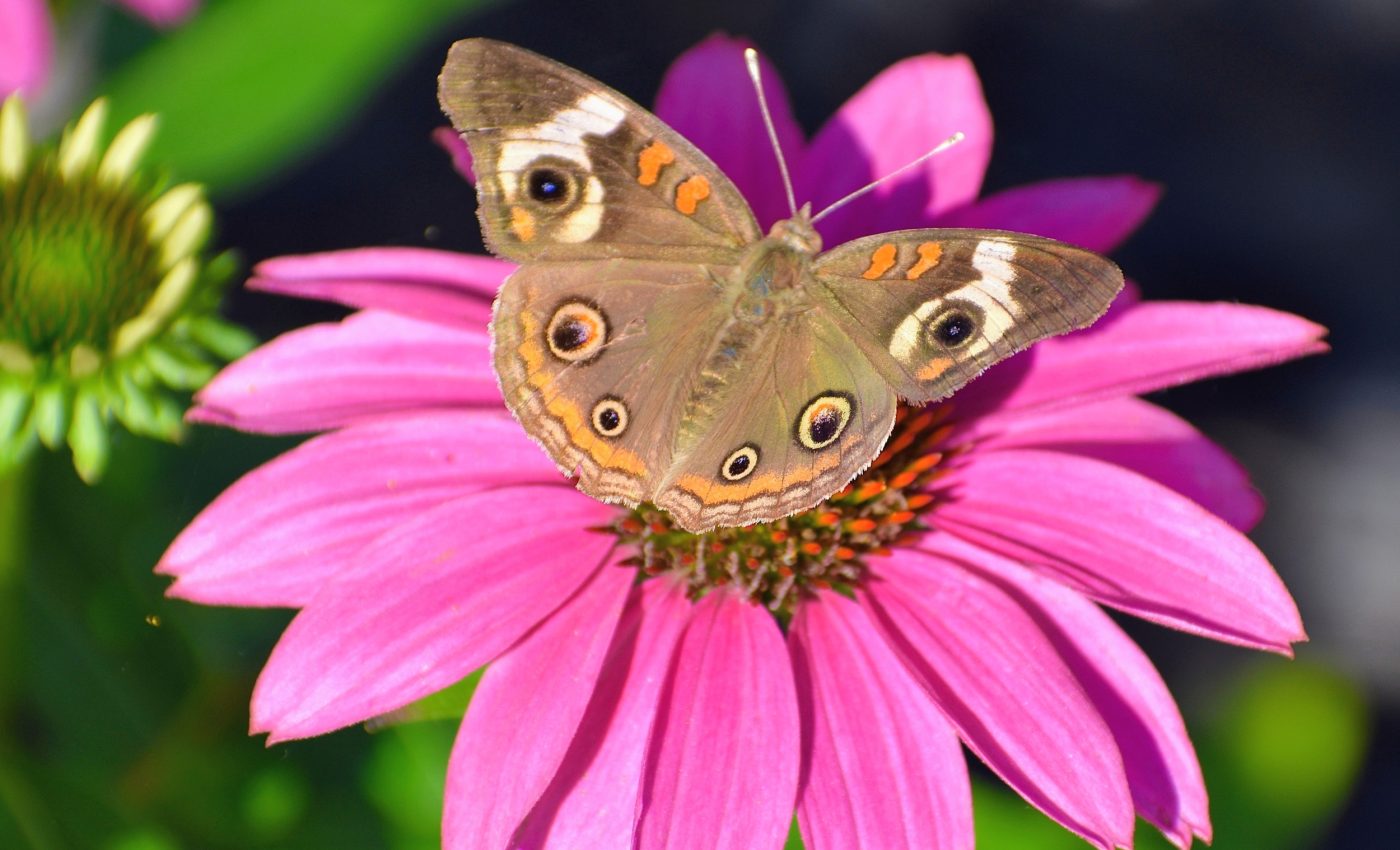
One common prairie butterfly shows clear signs of such change. Summer adults come out with pale wings and quick flight. Fall adults grow dark wings and move in a calm, slow way.

A new study from the University of Arkansas shows a deep link between color, daily actions, and inner senses in this insect.
Butterfly colors across seasons
Summer butterflies have pale coloring on the underside of their wings, while fall individuals develop much darker pigmentation.
The darker tones help them warm up during cooler parts of the day. Prairie surveys showed a sharp increase in these dark fall forms by late September.
Pale-colored butterflies were most common during the warm early months. Their wing pigmentation tracks the length of daylight and cooling temperatures, with shorter days triggering deeper tones.
Many adults spend long stretches basking in the sun to boost their body heat.
Prairie conditions guide butterfly behavior
Adults were monitored across prairie grass from May into November. The surveys were focused on flight bursts, calm perch spells, nectar visits, and courtship motions.
The data revealed that calm basking rose once cool air arrived, swift flight ruled early warm months, and nectar use peaked in mid-summer.
Courtship activity also peaked during the warm early months, while resting behavior increased later in the season. Shifts in prairie light – not just cooler temperatures – played a role in shaping these habits.
Senses across seasons
Eye tissue showed broad seasonal shifts in the butterflies’ sensory biology. Many vision-related genes were more active in the fall, while several pigment-related genes peaked during the warm months.
Opsin genes remained steady across the seasons, but genes tied to screening pigments showed distinct shifts.
These changes suggest that the butterflies’ color perception may adjust as daylight shortens. A key circadian clock gene also increased in the fall, matching seasonal patterns seen in many other insects exposed to shorter days.
Prairie butterfly sex patterns
Males and females carried unique sensory signatures. Female eyes held high blue-sensing gene output. Male eyes carried lower values for many pigment-linked genes.
Such patterns shifted across months. Some adhesion genes rose in female eyes during warm months yet rose in male eyes during fall months. Cuticle-code genes followed similar timing. Such sex-linked shifts suggest sensory wiring adapts under sex-specific cues.
Many roles may shape such divergence. Courtship, foraging style, or egg-laying search paths may guide such tuning.
Insights from the field
Grace Hirzel carried out long field sessions and guided core study aims. Her work across many months gave a clear view of seasonal change .
“Working with wild populations allowed us to examine how animals are responding to time of year as whole and under natural settings,” Hirzel explained.
“Not only are common buckeye butterflies interacting with their world differently depending on the time of year, but they probably see the world differently at these times of year too.”
Each season shaped color, movement, and sensory systems in a connected way.
“Buckeye butterflies are just one of the many species with obvious seasonal traits. Changes in sensory system development like we found in the buckeye may be a common strategy used by many animals to survive shifting seasonal conditions.”
Research on prairie butterflies
Field surveys across Arkansas prairies offer a rare chance to study large groups of butterflies year after year. Regular encounters with many adults give strong support for sensory studies and genetic analysis.
“One of the reasons we work with this butterfly is that while it’s found throughout the country, it’s in really high abundance here in Arkansas. It’s been used for developmental research and understanding how butterflies work for decades,” noted study co-author Erica Westerman.
“But those populations have always been from the coast where it’s just not quite as common. It meant a lot to me and Grace to work with a local population here.”
“It’s a common Arkansas butterfly and it’s really pretty, and I think it’s important that some of the species that are common here in Arkansas and the central plains also get showcased in the greater scientific community.”
The study is published in the journal Functional Ecology.
—–
Like what you read? Subscribe to our newsletter for engaging articles, exclusive content, and the latest updates.
Check us out on EarthSnap, a free app brought to you by Eric Ralls and Earth.com.
—–