How bees could help farmers live safely with elephants



 Follow Earth on Google
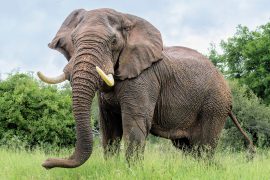
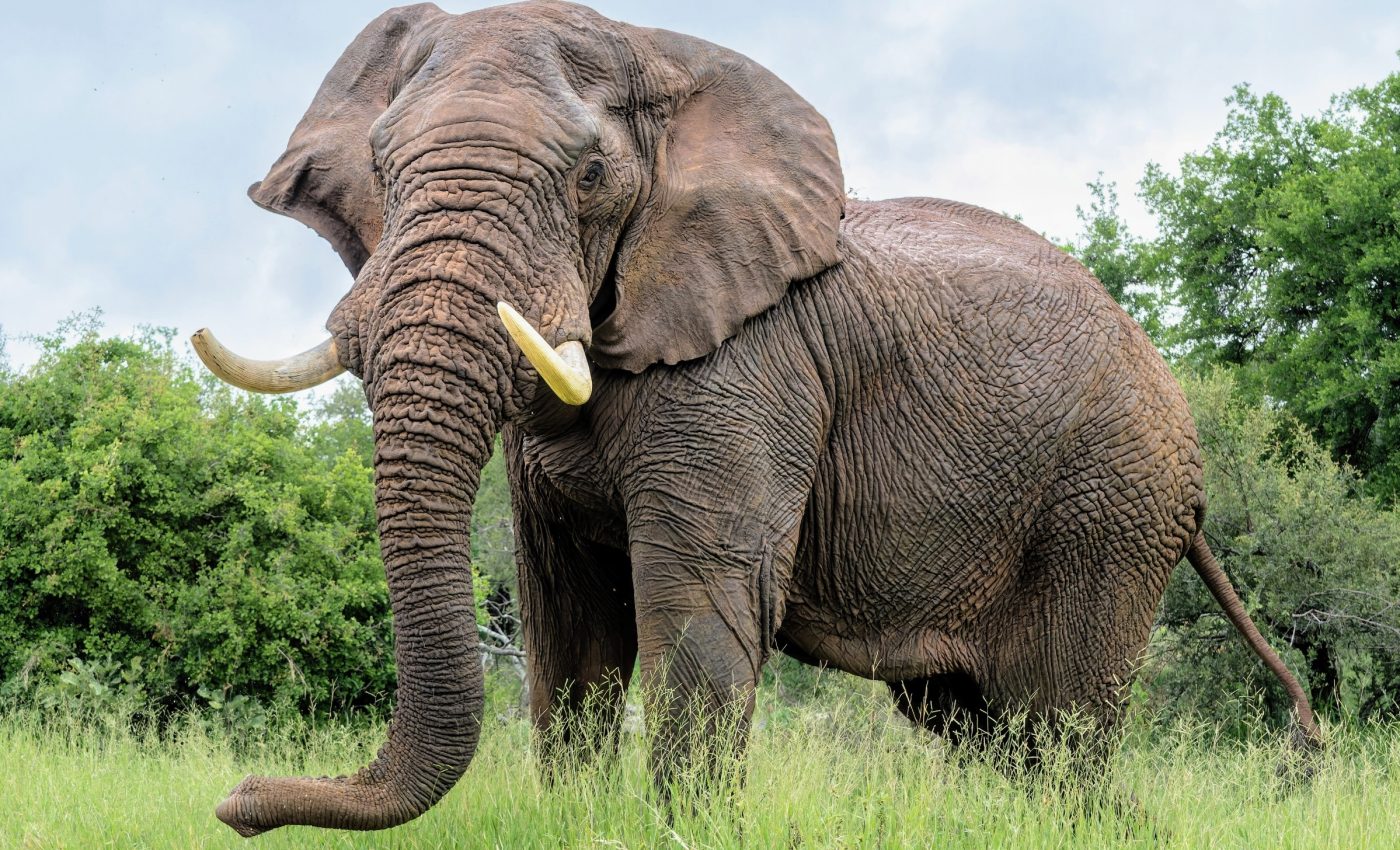
In northern Botswana, sharing space with elephants is part of ordinary life. The country has about 130,000 of them, the largest population in the world.
People often farm right along the routes these animals use to reach rivers and waterholes. A single-night visit from a herd can flatten months of work in a few minutes.

For many rural families, crops are not a side business. They are the main source of food and income.
When elephants pass through fields at the wrong time of year, the damage can decide whether a family has enough to eat until the next harvest.
Keeping elephants away from crops
“Living with such a large animal and such a large population can be really tricky,” said lead author Dr. Tempe Adams, a UNSW Sydney researcher who lives in Botswana and studies human-elephant conflict.
“For farmers here, it’s not unusual to wake up and find an elephant in your yard,” she says. “Trying to help people live with elephants, conflict-free, is a big focus of my work.”
Botswana’s elephants are part of a wider southern African population that moves across huge landscapes.
As conservation has improved, numbers have grown in some areas, which is good news for the species but hard for people whose homes sit along these movement paths.
Dr. Adams develops and tests ways to keep elephants away from crops and property without hurting them.
Can bees keep elephants away?
In other African countries, one idea has gained attention: bees. Elephants in Kenya, Mozambique, Tanzania and Gabon have shown a strong tendency to avoid fences made from live African honeybee hives strung between posts around farms.
Many elephants appear to remember painful stings from swarms and stay away.
“We’re a very dry area. We have the Kalahari sandy soil. Every elephant range has different environmental factors,” said Dr. Adams. “It was really important to test the concept first.”
Rather than rushing to build miles of beehive fences in Botswana, Dr Adams started with a cheaper test. Her team played recordings of buzzing bees to wild elephants and watched how they reacted.
What the bee sounds revealed
Some elephants turned and left quickly when they heard the bee recordings. Others stayed put.
“The data showed more elephants responded to bee sounds with a medium or strong reaction compared to elephants that responded to white noise,” noted Dr Adams.
The study showed 53.3% of family units reacted within the resting area compared to 26.6% in the control trials.
Four family units moved more than about 65 feet away during the bee playbacks, while only one did so in control trials. “That in and of itself is an amazing result,” said Dr. Adams.
“In science, we’re so trained to only publish what’s significant. But it’s really important to try and understand the complexity of the mixed results from behavioral studies when dealing with highly individual sentient animals like elephants.”
In this case, not every elephant in Botswana will have experienced bees. But those who had learned to run away, noted Dr. Adams.
“That’s intriguing. It shows that using bees as a deterrent could be context or geographically specific – so it’s not a method that would work everywhere. It tells us we need to look deeper.”
Declining populations of wild bees
So why did elephants in Botswana react differently from those in places where beehive fences already work? One clue lies with the bees themselves. Wild bee populations in northern Botswana are low.
“The easiest test is to open a jar of honey and see how long it takes for a bee to arrive,” said Dr. Adams. “Here, sometimes that can take days or weeks.”
Low bee numbers mean fewer chances for elephants to be stung, so many may have no reason to fear buzzing.
The causes are layered: dry conditions, a short flowering season, limited agriculture and long distances without reliable water all make life harder for bees.
“Working out what’s happening with our bee status might be more impactful than doing further elephant behavioral studies. Is it climate change related? Is it disease related? How can we increase our bee population here?”
Farms on the frontline
In northern Botswana, most farmers grow food on plots of about 2 to 7 acres. Many still use traditional methods, ploughing with donkeys or cattle instead of tractors.
“This kind of farming is for their families and their livelihoods,” said Dr. Adams. “It’s not mass scale production farming. We don’t really have much of that in Botswana because we’re so dry.”
Farmers usually plant once a year after the rains and harvest during the dry season. At that time, waterholes are full of elephants, and maize, sorghum, and millet are ripening in fields near the routes they use.
“It’s very opportunistic behavior. They’re coming for the water, but a ripening crop along the way is a tasty snack.”
Even a single raid can strip a field that a family has depended on for the year.
How elephants respond to bees
The bee-sound study took place in Chobe National Park during the peak dry season, focusing on elephants resting on the ground.
“We ideally wanted elephants that were sleeping on the ground, so they were oblivious, as much as possible, to anything around them.”
That setting helped the team see clean reactions to sound, without the animals already being on the move.
Dr. Adams hopes to repeat the test in other parts of Botswana, especially near the country’s small number of commercial farms, to see whether local conditions change how elephants respond.
At the same time, her attention is shifting toward the bees themselves and whether boosting bee numbers could help both pollination and, in some places, conflict prevention.
The study was supported by Elephants Without Borders and co-authored by Dr Lucy King from Save the Elephants, who pioneered the beehive fence concept in East Africa.
The full study was published in the journal Pachyderm.
—–
Like what you read? Subscribe to our newsletter for engaging articles, exclusive content, and the latest updates.
Check us out on EarthSnap, a free app brought to you by Eric Ralls and Earth.com.
—–