New Asian insect threatens cotton crops globally and is now in the U.S.



 Follow Earth on Google
A tiny leafhopper from Asia has moved into an American cotton country. In its native range, this insect has caused heavy leaf damage and, under the wrong conditions, losses that sometimes exceed 60 percent in cotton.
Georgia is now on alert. University of Georgia Extension confirmed first finds in early July 2025, and by late August county agents reported detections in more than 40 counties across the state, a sign of fast spread that demands careful scouting.
Leafhoppers and cotton crops

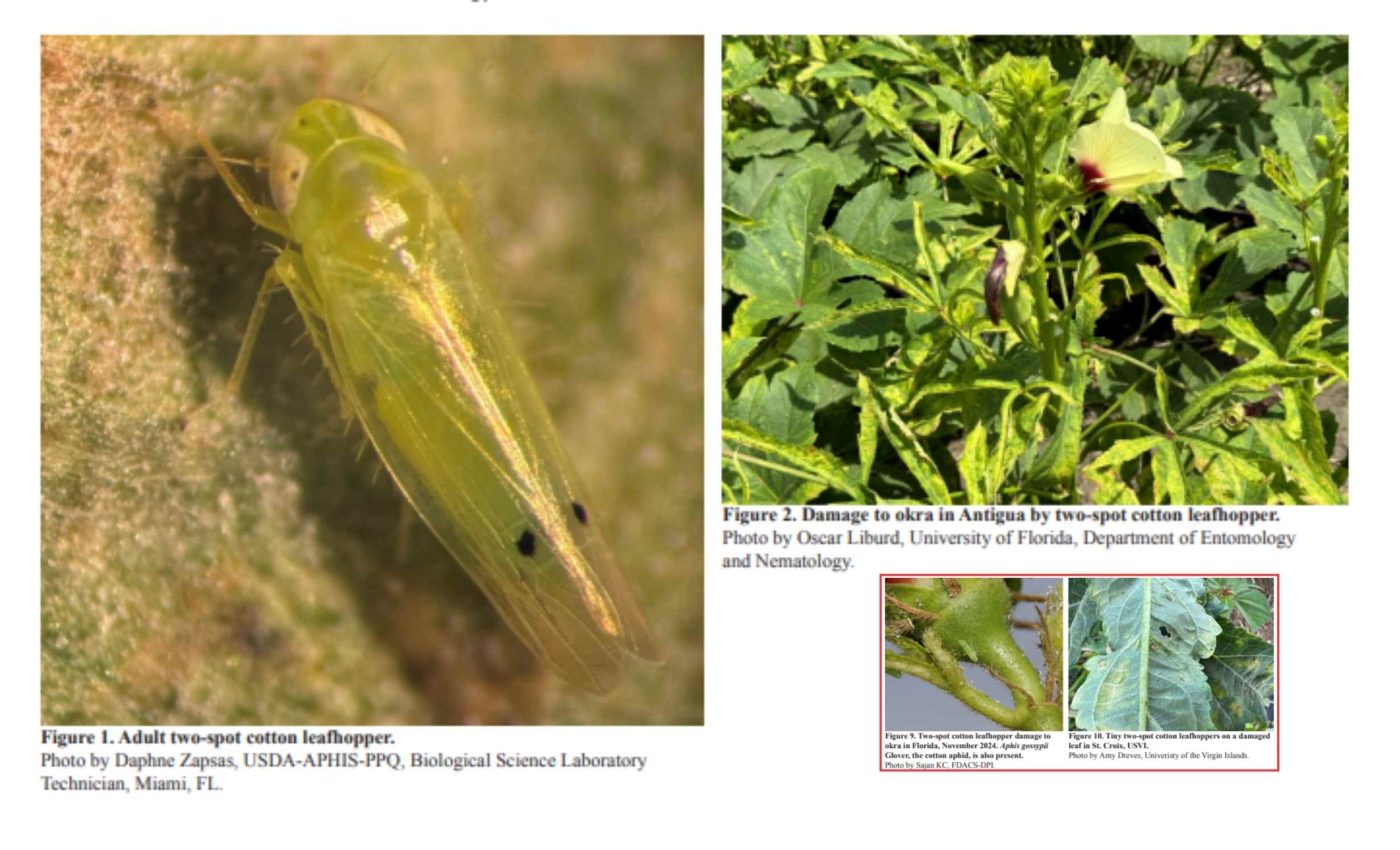
The insect is the two spot cotton leafhopper, also called the cotton jassid, Amrasca biguttula.
Adults are pale green, about 0.1 inch long, and they feed on the undersides of leaves where damage starts as hopperburn, leaf edges yellowing from cell sap loss, then reddening and browning.
Florida regulators issued an official pest alert after detections across multiple counties. That notice details the easy field cue, a black spot on each wing, and warns that hosts include cotton, okra, eggplant, sunflower, peanut, and roselle.
Start in the plant’s top canopy. Turn over the third, fourth, or fifth main stem leaf below the terminal and count nymphs, which are small and fast, but easier to see against the pale underside.
UGA’s preliminary treatment threshold is 1 to 2 nymphs per leaf when injury is present, with scouting focused beyond field edges to avoid overestimating pressure.
Adults are identifiable by two wing spots, while nymphs lack wings and cannot be separated to species in the field.
Where things stand
Georgia’s first confirmed detection came from Seminole County on July 9, 2025, followed by a rapid string of new county reports.
That pattern mirrors the Florida experience, where the pest was documented a few months earlier and is now under active survey.
Because the insect feeds on multiple crops, growers should watch nearby okra and eggplant as potential reservoirs.
Field edges, gaps, and ends tend to show higher numbers first, then pressure can build inside the canopy if weather favors survival.
What the damage looks like
The leaf edges yellow, then the whole leaf can redden and curl. Severe feeding causes bronzing and premature leaf drop, which weakens boll fill late in the season.
Plants may appear drought stressed even when soil moisture is adequate, so flipping leaves to confirm nymphs is essential.
The pest’s saliva can trigger leaf puckering, a surface wrinkling that is easy to confuse with nutrition problems. The presence of nymphs and cast skins on undersides of leaves helps separate true jassid injury from lookalikes.
Cotton disease and leafhoppers
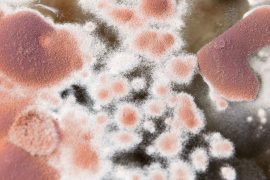
Warm, humid weather also pushes cotton leaf diseases that strip yield. Target spot, a fungal disease marked by round lesions with faint rings, starts deep in the lower canopy where leaves stay wet, and can cause notable defoliation within two weeks when conditions are right.
Areolate mildew, a late season fungus that dusts leaves and prompts drop, has expanded beyond its old coastal footprint in recent years.
The same UGA guidance notes timely fungicide use can protect lint when disease arrives with weeks still to go before defoliation.
Fungicides work best when they reach the lower canopy before leaves close and stay wet for long stretches.
That is why spray volume and pressure, plus early timing in bloom, tend to separate good programs from shaky ones.
Coverage gets harder as the canopy thickens. Starting too late or with low volumes can leave the interior unprotected, which is where the target spot often begins and accelerates during wet spells.
Peanuts have similar problem
Peanut growers are also fighting white mold, a soilborne disease caused by a fungus that attacks stems near the soil line and can move fast under hot, humid conditions. The disease flares inside dense canopies and can compromise pegs and pods if unchecked.
UGA plant pathologists have long recommended nighttime applications when white mold threatens, a message echoed in a University of Georgia report.
Experts at the University of Georgia Extension emphasized that the key to managing white mold is ensuring fungicides reach the crown of the plant and spread along the limbs, even through dense leaf canopies.
Helping cotton fight leafhoppers
Continue scouting across both field edges and interior rows, noting leaf positions when recording counts. Report any unusual activity right away so local agents can monitor the spread and provide updated thresholds and treatment guidance.
Stay on schedule with fungicide programs where disease pressure is building. In cotton, focus on lower canopy coverage early in bloom when disease is present locally. In peanuts, time applications to conditions that help move product to the crown and limbs.
This insect is small, but the potential impact is not. A vetted scientific study documented severe injury and significant yield losses in its home range, and the host list crosses crop lines that matter in the Southeast.
Florida’s official pest alert and Georgia’s mounting county reports underscore the same message. Early detection, clear thresholds, and timely action will make the difference between a headache and a harvest hit.
—–
Like what you read? Subscribe to our newsletter for engaging articles, exclusive content, and the latest updates.
Check us out on EarthSnap, a free app brought to you by Eric Ralls and Earth.com.
—–