Plants are more successful when their genes work together



 Follow Earth on Google
Plants rely on careful coordination inside every cell to survive, grow, and respond to changing surroundings. Inside plant cells, different genetic systems guide essential tasks such as photosynthesis, nutrient use, and energy production.
Recent research shows that plant health depends not only on individual genes, but also on how separate genetic systems cooperate.

Poor coordination can reduce growth and limit the ability to cope with environmental stress.
How plant genetics work
Plant cells carry three sets of genetic instructions. One set sits inside the nucleus and controls most cell activities.
Another set exists inside chloroplasts, structures that capture sunlight and produce sugars.
A third set operates inside mitochondria and supports energy release. Photosynthesis depends heavily on coordination between nuclear genes and chloroplast genes.
Across long evolutionary time, nuclear genes and chloroplast genes adapt together within a species. Such cooperation supports efficient light use, stable metabolism, and balanced nutrient processing.
Hybridization between related species can disturb coordination and create mismatched genetic combinations.
The critical role of plant genetics
Study first author Michelle Zavala Paez is a doctoral candidate in Penn State’s Intercollege Graduate Degree Program in Ecology.
“Different components of a plant’s genome – its genetic material – work together to keep it functioning well, and when two different species or populations interbreed, or hybridize, this coordination can break down,” said Zavala Paez.
Such disruption, known as cytonuclear mismatch, can lower photosynthetic efficiency and weaken plant performance across environments.
Poplar trees reveal genetic experiments
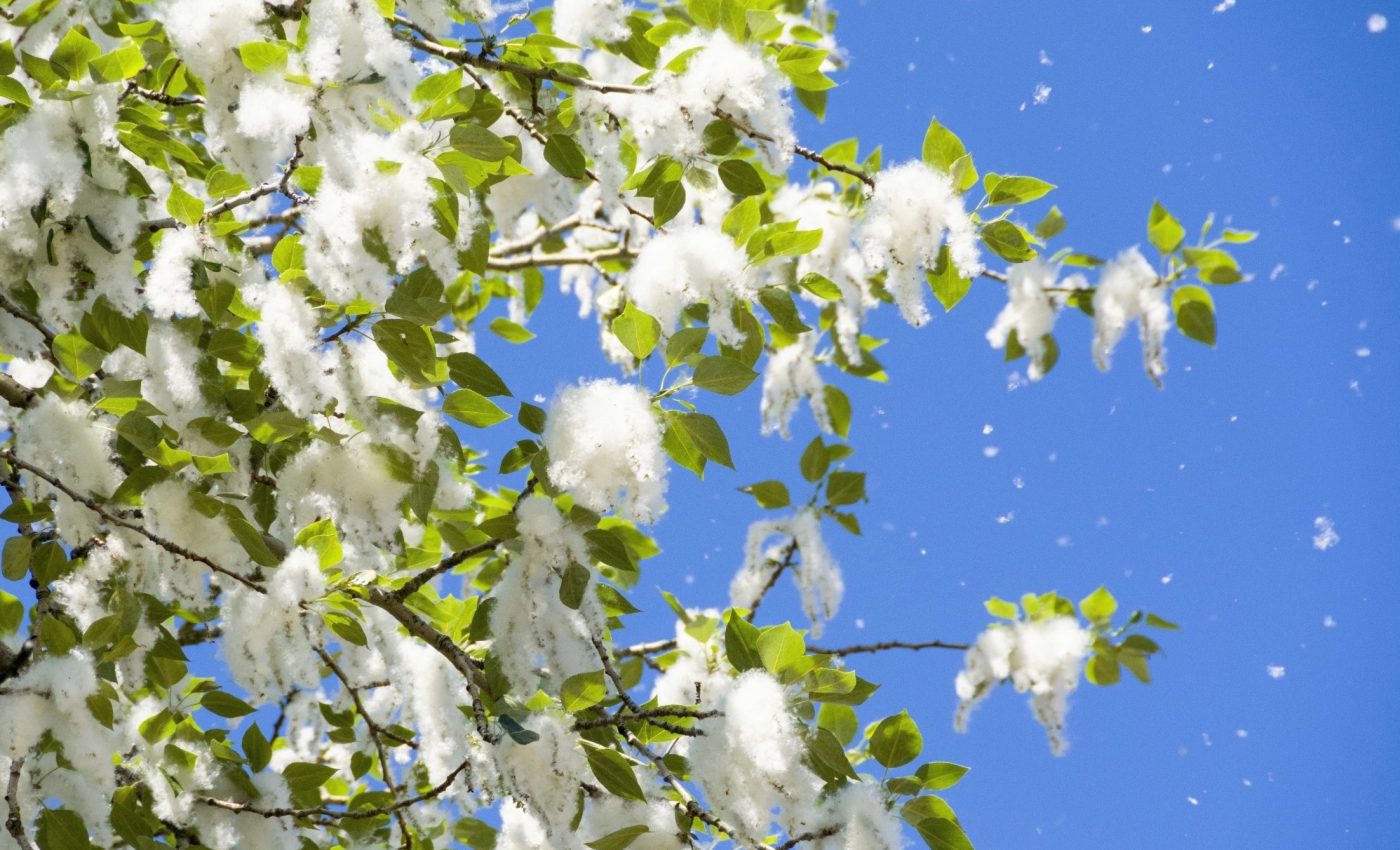
Black cottonwood and balsam poplar offer a powerful system for studying genetic cooperation. Both species grow across large areas of North America and often interbreed where ranges overlap.
Hybrid zones form across regions with strong climate differences, from coastal forests to cold mountain interiors.
Researchers collected branches from hundreds of poplar trees across six hybrid regions spanning Alaska, western Canada, and parts of the northwestern United States.
Branches grew into new plants under greenhouse conditions. Genetic material from each plant revealed nuclear ancestry and chloroplast ancestry in detail.
Advanced genome sequencing allowed identification of nuclear genes linked to chloroplast function. Many such genes support photosystem activity, protein repair, and chloroplast stability.
How climate shapes genetic patterns
Climate played a strong role in shaping genetic outcomes. Warmer and wetter regions showed higher presence of black cottonwood chloroplast types.
Colder and drier regions favored balsam poplar chloroplast types. Such patterns suggest climate selects gene combinations that support efficient photosynthesis and stress tolerance.
Some regions showed sharp boundaries between chloroplast types. Strong environmental transitions appeared to favor genetic combinations that already worked well together.
Other regions showed more mixing, likely due to long histories of gene flow and weaker selection pressure.
Environmental conditions can act as filters, preserving genetic cooperation where performance matters most.
Effects of mismatched genes on plants
Researchers tested plant performance using outdoor experiments in Virginia and Vermont. Genetically identical trees grew in different climates, allowing direct comparison of physiological traits.
Trees with mismatched nuclear and chloroplast ancestry often showed lower efficiency during light absorption. Reduced light use limits sugar production and slows growth.
Performance loss appeared across both sites and became stronger under warmer conditions.
Leaf nitrogen content also depended on genetic matching. Plants with coordinated nuclear and chloroplast ancestry showed higher nitrogen levels. Nitrogen supports formation of photosynthetic proteins, making coordination especially important for growth.
Water use traits depended more on nuclear ancestry and local climate than on chloroplast ancestry. Results highlight how different traits rely on different genetic systems.
Why genetic cooperation matters
Rapid climate change places new pressure on forests worldwide. Heat stress, altered rainfall, and shifting nutrient availability challenge plant survival. Genetic cooperation inside cells plays a key role in plant response to such challenges.
Study senior author Jill Hamilton is an associate professor in Penn State’s College of Agricultural Sciences and director of the Schatz Center for Tree Molecular Genetics.
“Understanding which genome combinations perform best could guide breeding programs to develop more resilient plants and help preserve biodiversity in a rapidly changing climate,” said Hamilton.
“The study shows that the interaction between nuclear and chloroplast genomes affects how well hybrid plants function, and that the environmental context of these interactions can strengthen, weaken or even reverse the effects of these genetic mismatches.”
Such insights may guide future breeding and conservation strategies, helping forests adapt to ongoing environmental change.
The study is published in the journal Proceedings of the Royal Society B Biological Sciences.
—–
Like what you read? Subscribe to our newsletter for engaging articles, exclusive content, and the latest updates.
Check us out on EarthSnap, a free app brought to you by Eric Ralls and Earth.com.
—–