Scientists discover the world's second-deepest 'blue hole'



 Follow Earth on Google
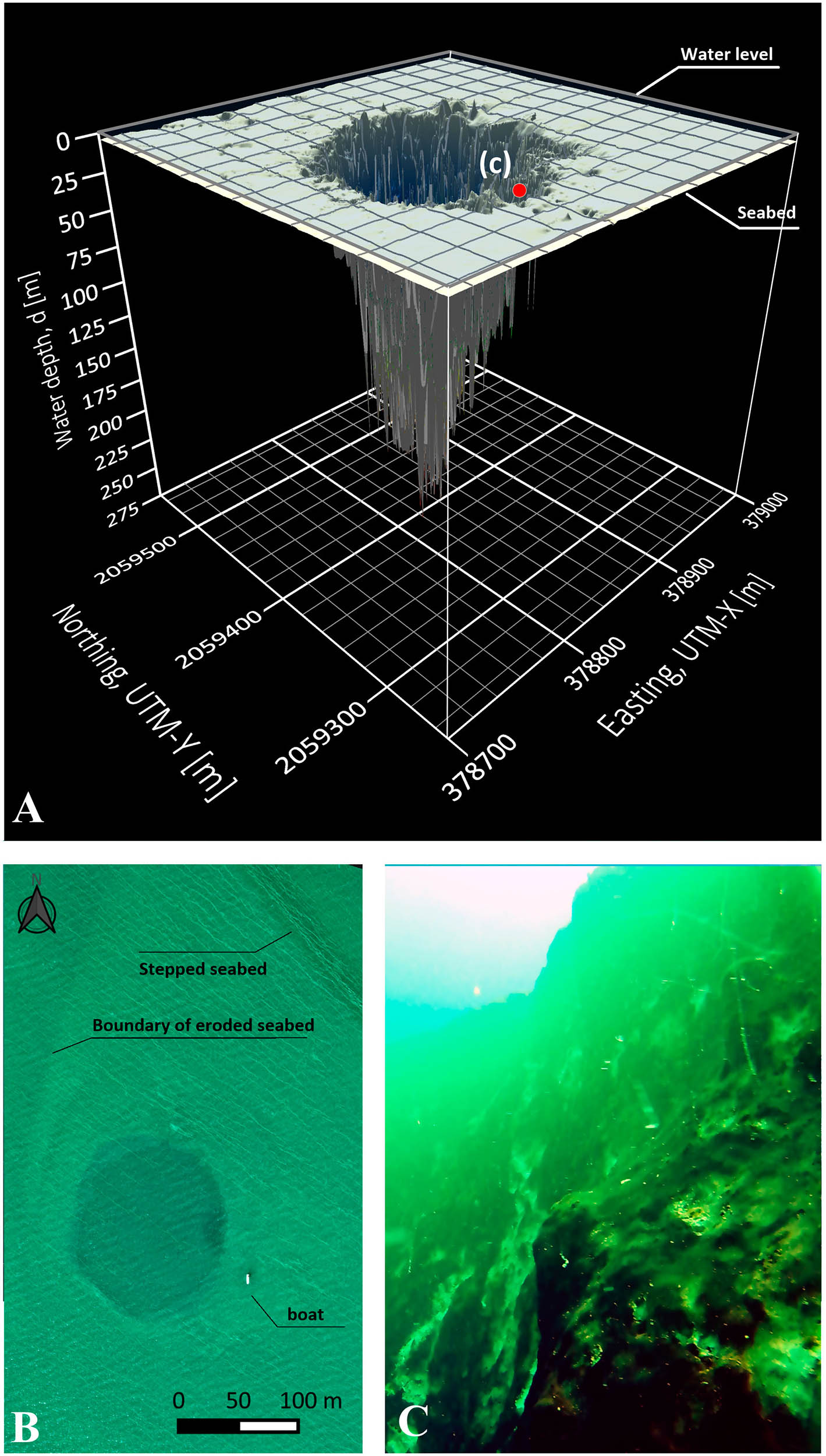
Far below the surface of Chetumal Bay in Mexico, scientists mapped an underwater sinkhole that drops about 900 feet down. This newly described Taam ja Blue Hole is now ranked as the second deepest known ocean blue hole on Earth.
The work was led by Juan C. Alcérreca Huerta, a coastal oceanographer at El Colegio de la Frontera Sur in Chetumal (ECFSC), Mexico.

His research focuses on how underwater sinkholes and other coastal depressions record changes in climate, sea level, and water chemistry over time.
From above, the Taam ja Blue Hole looks like a dark, almost perfect circle in otherwise shallow, muddy bay water.
At the surface it covers about 147,000 square feet of seafloor, roughly the size of several city blocks stitched together.
Researchers report that Taam ja Blue Hole has a nearly circular mouth and steep sides that form a huge submerged cone.
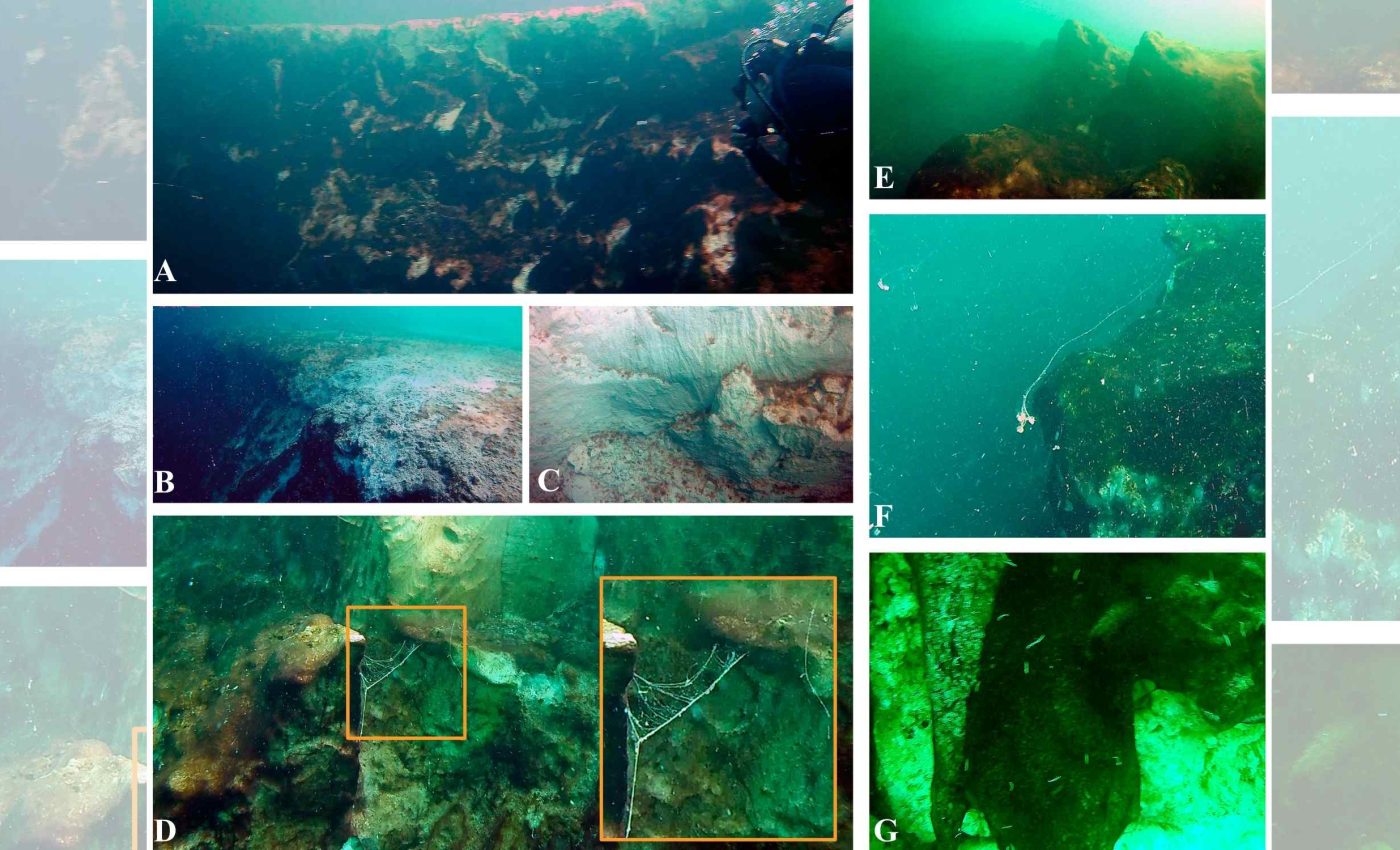
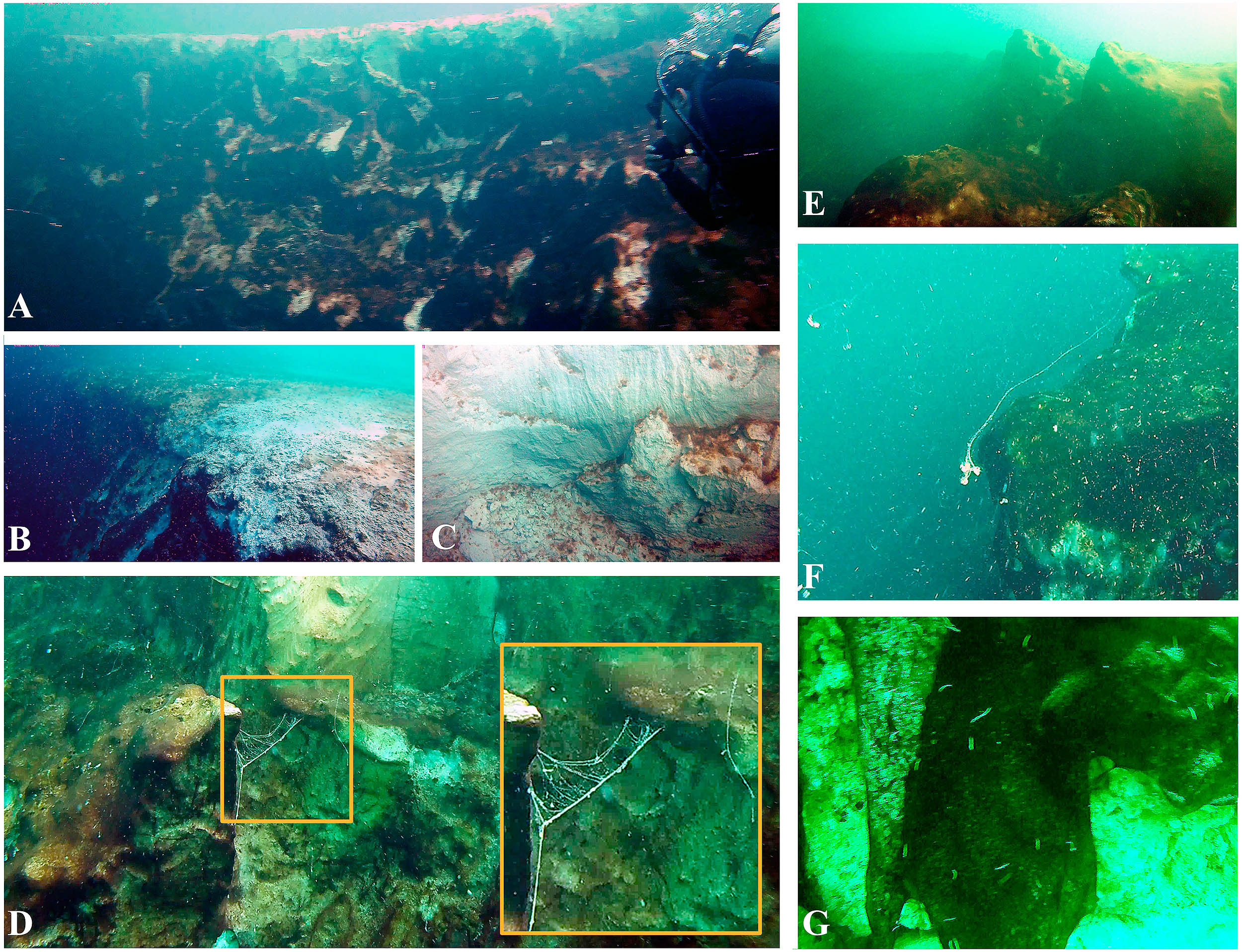
Its vertical limestone walls are coated in microbial films and gypsum ledges, and they lean inward at angles close to a cliff.
Extreme habitat at Taam ja
Blue holes form in karst, limestone bedrock slowly dissolved by slightly acidic water over many thousands of years.
What makes Taam ja unusual is how sharply its water changes from top to bottom, creating distinct zones that favor different forms of life.
Near the entrance there is a surface layer of less salty water with enough oxygen for small bay organisms, but that zone ends quickly.
Below it, the water turns hypoxic, meaning oxygen levels drop so low that only well adapted microbes and a few hardy animals can cope.
Farther down, a mid depth chemocline zone, boundary where temperature and salt content shift quickly, marks a mixing zone between upper and deeper water masses.
Deepest of all is an anoxic layer, water with almost no dissolved oxygen, where chemistry is dominated by dissolved salts, nitrogen compounds, and sulfur.
In these conditions, bacteria can generate large amounts of hydrogen sulfide, toxic gas that smells like rotten eggs and shuts out most animal life.
A similar structure appears in the Sansha Yongle Blue Hole in the South China Sea, the deepest known blue hole at about 990 feet.
Clues locked in ancient mud
Because water at the bottom rarely stirs, blue holes can act as sediment traps where fine particles and shells settle into stacked layers.
Work in Bahamian blue holes shows that their mud records centuries of storms, droughts, and sea level shifts.
Taam ja sits in rock rich in gypsum and evaporite, minerals left behind as seawater evaporates, so its water becomes saltier and sulfate heavy.
Those patterns suggest that dense seawater has seeped in and sat there, dissolving minerals from the rock walls as it circulates.
The research team notes that the origin and long term development of the Taam ja Blue Hole still need careful study.
What lies beneath
Extreme environments like Taam ja interest astrobiologists because oxygen poor, sulfur rich waters may resemble pockets on icy moons or ancient Earth oceans.
A NASA astrobiology feature has described Bahamas blue holes as test beds for exploring how life might persist in dark layered seas beyond Earth.
Blue holes also show how far modern pollution can travel, carrying human trash into places that feel untouched.
An earlier expedition reported seeing plastic bottles settled at the bottom of a major blue hole and described plastic pollution as a serious problem for the ocean.
Deep sea plastic pollution
Researchers studying blue holes have found that even these isolated formations are not free from human impact.
One expedition reported plastic bottles resting on the floor of a large marine sinkhole and described plastic pollution as a serious problem for the ocean.
This concern aligns with findings from a study that documented microplastics in deep sea sediments, showing that plastic waste can travel far beyond coastal regions.
Lessons from the Taam Ja’ blue hole
The scientific work highlights how plastics break down into small fragments that sink through the water column. These particles accumulate in places with little water movement, including underwater caves, pits, and blue holes.
Such research suggests that even remote geological structures can become unintended traps for human debris. It raises questions about how long these materials persist and how they may affect the unique microbial ecosystems found in oxygen poor environments.
For Taam ja, isolation that protects its chemistry could be fragile, because the site lies inside a shallow bay influenced by fishing and development.
The research team notes that local communities barely know the blue hole exists, while tourism and boat traffic are likely to grow.
Taam ja’s still, layered waters capture this tension perfectly, linking possible clues to alien style life with clear warnings about our changing oceans.
The study is published in Frontiers.
—–
Like what you read? Subscribe to our newsletter for engaging articles, exclusive content, and the latest updates.
Check us out on EarthSnap, a free app brought to you by Eric Ralls and Earth.com.
—–