City squirrels are reproducing faster - thanks to humans



 Follow Earth on Google
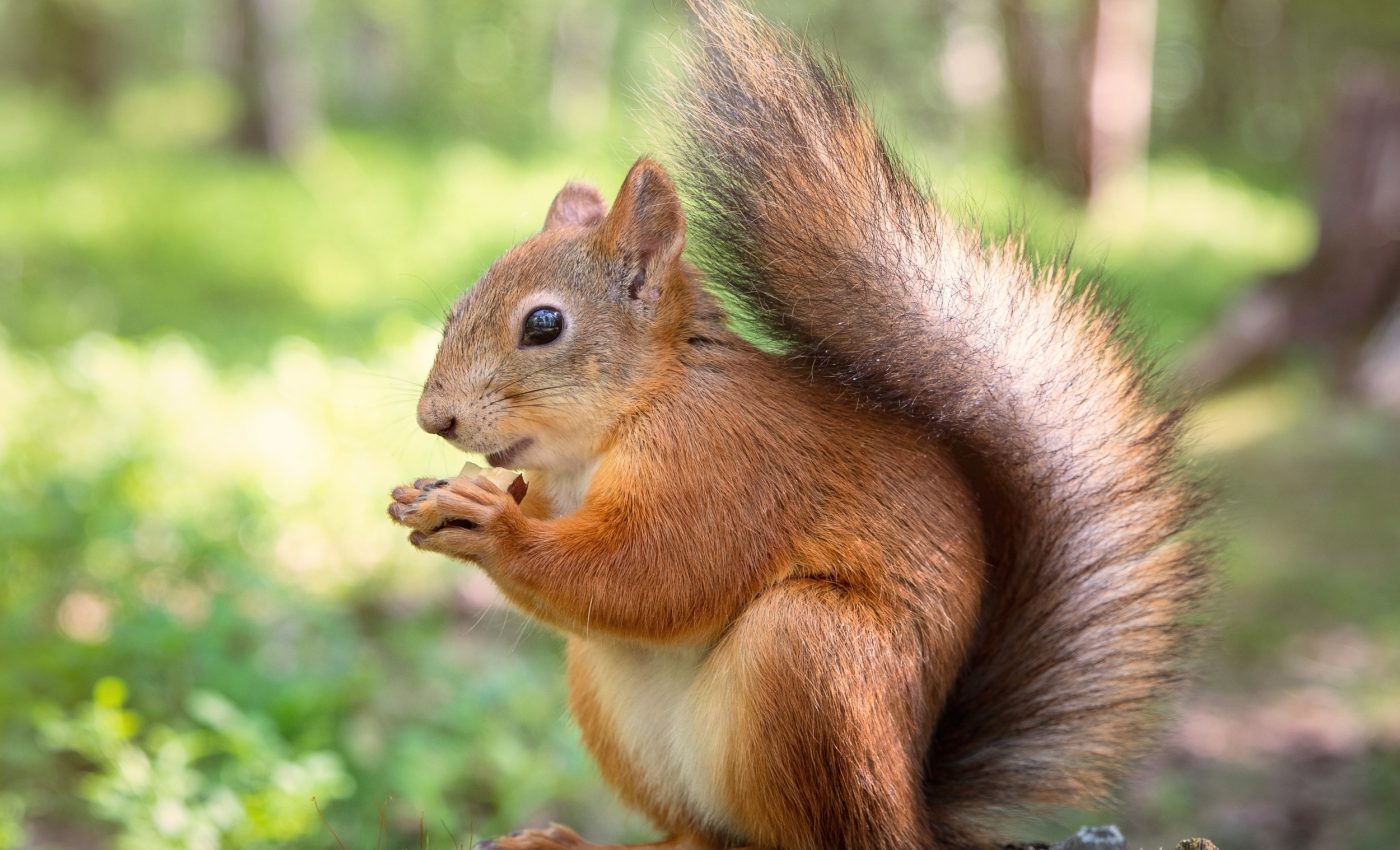
Handing peanuts to a squirrel in a city park looks harmless and fun. A new study in Obihiro City, Japan, found that red squirrels fed in parks became pregnant 24 percent more often than forest females.
The research team watched marked squirrels as they courted, nested, and raised young in city parks and nearby woods.

The results of the study suggest that human-supplied food in cities can tilt the balance of which wild mammals thrive and how quickly their populations grow.
Why city snacks matter for squirrels
Across the world, towns and paved surfaces are spreading into natural areas. This urbanization is squeezing wildlife into smaller patches of habitat.
Some species vanish – but bold, flexible animals such as squirrels often learn to live alongside people and make use of new food sources.
In many neighborhoods, people scatter nuts, seeds, or bread for birds and mammals, a practice known as supplemental feeding.
Those snacks are rich in calories and available across seasons, so animals that learn to use them can gain energy for survival and breeding.
The work was led by Dr. Yu Takahata, a senior researcher at Ritsumeikan University (RU) in Japan. Her research focuses on how urban wildlife uses human food and spaces.
For female mammals, large energy reserves are needed to produce eggs, endure pregnancy, and nurse their young.
Nutritious food can push a female’s body past the threshold needed to start breeding earlier, continue breeding longer, or support more offspring per year.
Inside the squirrel study
To explore these effects in detail, the team tracked marked female red squirrels living in four city parks and five rural forests around Obihiro.
From March through June over three consecutive years, researchers scanned each site daily and noted reproductive condition for all marked females.
The team recorded six measures for each female, including pregnancy rate – the share of adults that became pregnant at least once in a season.
The researchers tracked age at first and last breeding, birth dates, the number of young that survived to weaning, and whether a second litter appeared.
Urban females gave birth about one month earlier in the year than rural females. City mothers also began reproducing at one year of age, while rural mothers tended to start at the age of two.
Only urban mothers produced a second litter in the same year, and this happened for 40 percent of the city females that were monitored by the team.
The park squirrels weaned an average of three young from each first litter, while forest females raised about one and a half young.
Squirrel food and fertility
Earlier work from the same group showed that female red squirrels in Obihiro city parks were heavier than forest females. The difference was linked to year-round access to seeds and nuts from both trees and feeders.
Better body condition, including a mix of stored fat and muscle, allows females to invest more energy in pregnancy and nursing.
For the Obihiro squirrels, high-calorie food likely made it easier for animals to support demanding pregnancies that would be harder under natural diets.
Human habits and wild animals
“These findings suggest that urban squirrels have better reproductive conditions than rural squirrels,” noted Dr. Takahata.
Her team views the squirrels as a living example of how everyday human habits can quietly shape wild animal life histories.
Food was only one potential explanation. City environments also have warmer winters, more artificial light at night, and extra nesting spots in buildings.
Light from street lamps and signs can lead to earlier breeding, as demonstrated in one experiment that tracked reproductive hormones.
Feeding wildlife without causing harm
Around the world, millions of households now provide food for wild birds and small mammals in gardens and yards.
Long-term research shows that feeder handouts can change survival and reproduction for species – sometimes boosting numbers and altering which birds dominate neighborhoods.
A review of supplemental feeding warned that crowded feeding stations can help diseases spread, draw animals into road traffic, and encourage aggressive competition.
Managers worry that poorly chosen foods can create unbalanced diets, so the benefits seen in studies do not appear in every species or habitat.
The squirrel findings suggest that when food is close to natural items, such as nuts and tree seeds, it can support reproduction without costs.
The study is published in the journal Mammalian Biology.
—–
Like what you read? Subscribe to our newsletter for engaging articles, exclusive content, and the latest updates.
Check us out on EarthSnap, a free app brought to you by Eric Ralls and Earth.com.
—–