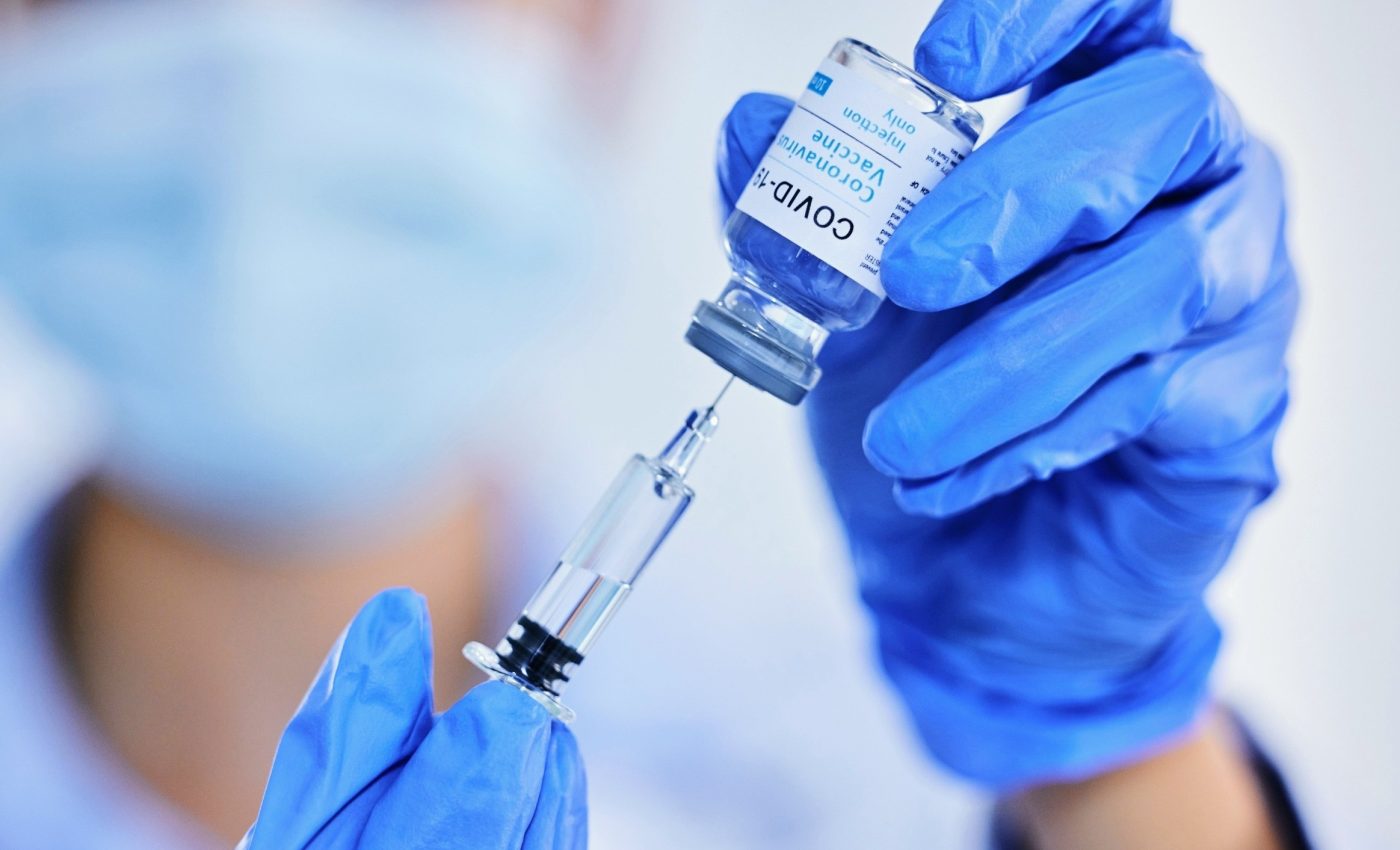
COVID shots might do more for cancer patients than we thought



 Follow Earth on Google
People fighting late-stage lung or skin cancer don’t get a lot of good news. Treatment options are often limited, and when cancer spreads, outcomes can be grim.
But now, a new study suggests something unexpected might help these patients live longer: a simple COVID-19 shot.

Researchers found that patients with advanced lung or skin cancer who got a COVID mRNA vaccine within 100 days of starting immunotherapy lived significantly longer than those who didn’t get the shot.
COVID shots for cancer patients
The study looked at over 1,000 medical records from patients at a top cancer center. The numbers were striking.
For people with advanced lung cancer, those who got the COVID vaccine around the time they started immunotherapy lived a median of 37.3 months. That’s nearly double the 20.6 months for those who didn’t get the vaccine.
In metastatic melanoma patients, survival also increased – from 26.7 months to a range of 30 to 40 months. Some patients were still alive when the data was analyzed, so the true benefit could be even greater.
The results only appeared with the COVID mRNA vaccine. Other vaccines – like flu or pneumonia shots – didn’t change outcomes. The researchers believe it’s the mRNA technology making the difference.
How it might work
The idea isn’t totally out of the blue. For years, scientists have been studying mRNA vaccines as a way to activate the immune system against cancer.
At the University of Florida, pediatric oncologist Dr. Elias Sayour has spent eight years developing a nonspecific mRNA cancer vaccine that doesn’t target a particular tumor protein.
Instead, it sends a general alert to the immune system – like lighting a flare – to rally immune cells and direct them toward fighting cancer.
In previous mouse studies, the team combined this nonspecific mRNA vaccine with common immunotherapy drugs called checkpoint inhibitors. The combo turned tumors that usually resist treatment into ones that responded.
The COVID-19 mRNA vaccine works with similar technology, so researchers asked a new question: Could it also help human patients fight cancer in the same way?
Results in real cancer patients
The idea for the study came from Dr. Adam Grippin, a former lab member who trained at the University of Florida and now works at the University of Texas MD Anderson Cancer Center.
The research team examined records from people treated between 2019 and 2023 for Stage 3 or 4 non-small cell lung cancer and metastatic melanoma.
In total, 180 lung cancer patients received a COVID vaccine within 100 days of starting immunotherapy. Another 704 didn’t. For skin cancer, 43 got the shot and 167 didn’t. Across the board, the people who got vaccinated lived longer.
The researchers were especially surprised by results in patients who, based on their tumors’ genetic features, weren’t expected to respond well to immunotherapy. The vaccine seemed to help even those with the odds stacked against them.
Research on COVID shots for cancer
These findings aren’t from a clinical trial, so they don’t prove the vaccine caused the improvement. But they are strong enough to prompt further testing.
“Although not yet proven to be causal, this is the type of treatment benefit that we strive for and hope to see with therapeutic interventions – but rarely do,” said Dr. Duane Mitchell, who leads a clinical research institute at UF.
The team plans to run a large clinical trial through OneFlorida+, a research network that includes hospitals and clinics across six states.
The goal is to see if the COVID mRNA vaccine, or something like it, can consistently extend survival for patients with different types of cancer.
The future of cancer care
For most people, the COVID vaccine was just a tool to avoid serious illness from a virus. But it’s part of a bigger story.
mRNA vaccines, once an experimental idea, are now a working reality. And their success during the pandemic may have opened doors we didn’t expect.
“The results from this study demonstrate how powerful mRNA medicines truly are and that they are revolutionizing our treatment of cancer,” said Dr. Jeff Coller, a top mRNA researcher at Johns Hopkins University.
If future trials confirm these findings, doctors could eventually offer a universal mRNA vaccine – not tied to any specific cancer – to help the immune system do a better job across many kinds of tumors.
For people with advanced disease, that could mean more months or even years of life.
“If this can double what we’re achieving currently, or even incrementally – 5%, 10% – that means a lot to those patients, especially if this can be leveraged across different cancers for different patients,” said Dr. Sayour.
The COVID vaccine, it turns out, may have another unexpected benefit – one that could rewrite parts of modern cancer care.
—–
Like what you read? Subscribe to our newsletter for engaging articles, exclusive content, and the latest updates.
Check us out on EarthSnap, a free app brought to you by Eric Ralls and Earth.com.
—–