Dog bacteria has a surprising influence on teen behavior



 Follow Earth on Google
In a study of 343 Tokyo teenagers, living with a dog was linked to shifts in oral bacteria and social behavior, and those same microbes also altered behavior when transferred to mice.
The researchers transplanted oral microbes into germ-free mice, animals raised without any microbes at all, and watched their social choices change.
A clue in the gut microbiome

The work was led by Professor Takefumi Kikusui, an animal behavior scientist, at Azabu University in Japan.
His team studies how daily contact with animals influences stress, learning, and social bonds in people and other mammals.
Adolescence is a sensitive stretch for friendships, and small changes in support can echo into adult mental health.
How dogs share bacteria
Cohabiting people share many microbes, and a 2013 study showed that dog ownership increases shared skin bacteria across a household.
An individual’s microbiome – the full community of microbes and their genes – can shift when dogs track outdoor bacteria into the home.
That matters because many microbes can hop between hosts, especially when they share floors, furniture, and hands.
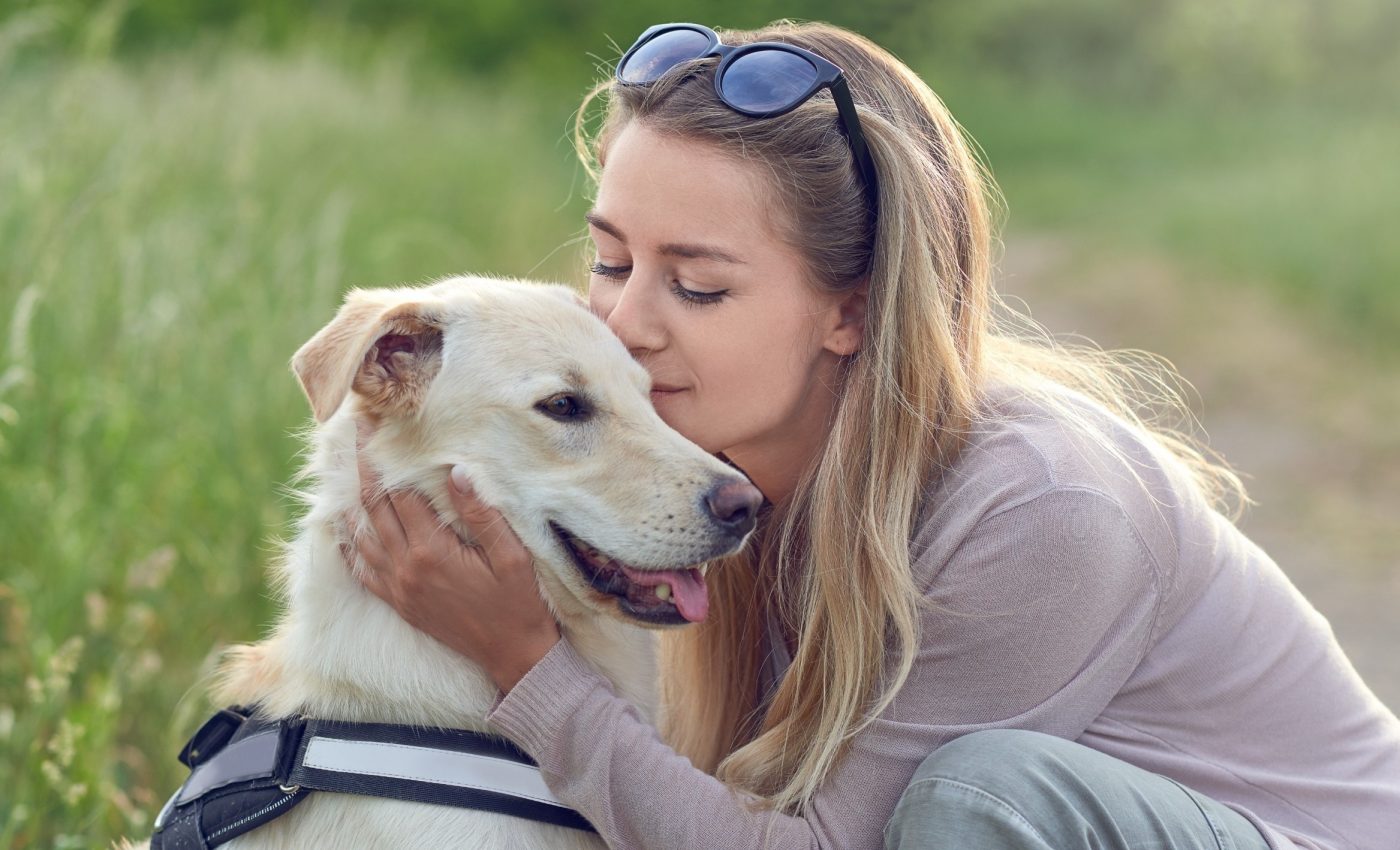
Dog bacteria and teens
Caregivers for early teens in Tokyo answered questionnaires about loneliness, withdrawal, cruelty, and trouble getting along with peers.
About one-third of the teens lived with a dog, creating a natural comparison inside the same city environment.
After adjusting for sex and household income, the dog group scored lower on social withdrawal and aggressive behavior.
Saliva sampling found certain bacteria were more common in dog homes, including several members of Streptococcus.
Many of these commensals, microbes that live with us without causing harm, are routine in mouths but may still matter.
In the data, higher Streptococcus levels were associated with lower scores for thought problems and delinquent behavior.
From saliva to mice
To move beyond correlation, the team transferred mouth microbes from three dog owners and three non-owners into germ-free mice.
Stool checks showed the transplanted bacteria reached the gut, so the mice carried a human-flavored microbial mix.
Over the next few weeks, the researchers measured how the animals reacted to strangers, stress, and a trapped cage mate.
In one test, a mouse faced another mouse stuck in a clear tube, and some animals tried to free it.
Mice given dog-owner microbes chewed the tube and poked their noses through holes more often than controls.
In a separate setup, those mice also sniffed unfamiliar cage mates longer, a sign of stronger social approach.
Signals from gut bugs
The results of the mouse model suggest that microbes can influence behavior, but they do not prove the same path runs in humans.
Oral bacteria can sometimes travel into the intestines, and the immune system may treat them as helpful visitors.
When microbes settle, they can change which chemicals show up in blood, including molecules that calm inflammation.
The link between the gut and brain
The gut-brain axis is a two-way signal network linking digestion and the brain. Signals can travel through nerves like the vagus, through hormones, or through immune messengers that tune brain circuits.
Some pathways start with microbial metabolites, which are small chemicals made as bacteria digest food and mucus.
Short-chain fatty acids, small fats made when microbes digest fiber, can lower inflammation and may affect mood through immune signals.
Other metabolites can change how the body handles stress hormones, which may influence sleep, appetite, and how social situations feel.
Because many metabolites are produced through a mix of diet and microbial activity, scientists often find it difficult to determine which source is responsible for which effects.
Stress and bonding
One experiment with mice revealed that Limosilactobacillus reuteri boosted oxytocin – a hormone tied to bonding and trust, and improved social behavior.
Dog interactions can also lower cortisol, a stress hormone that rises during pressure. This may change which microbes thrive in the gut.
That stress path matters, because dog care can feel soothing for some families and exhausting for others.
Future research on dogs and teens
The team did not test the dogs’ own microbes, leaving open questions about whether pets directly seeded the teen-mouth bacteria.
Future studies could follow families before and after getting a dog, so timing can show which changes come first.
Researchers also want deeper sequencing that can separate strains within a genus, since not all strains behave the same.
For now, the safest message is modest: dogs may be one way to shape the microbiome during teen years.
The bigger lesson is that social contact and microbial exposure often travel together, and science is starting to measure both.
The study is published in the journal iScience.
—–
Like what you read? Subscribe to our newsletter for engaging articles, exclusive content, and the latest updates.
Check us out on EarthSnap, a free app brought to you by Eric Ralls and Earth.com.
—–