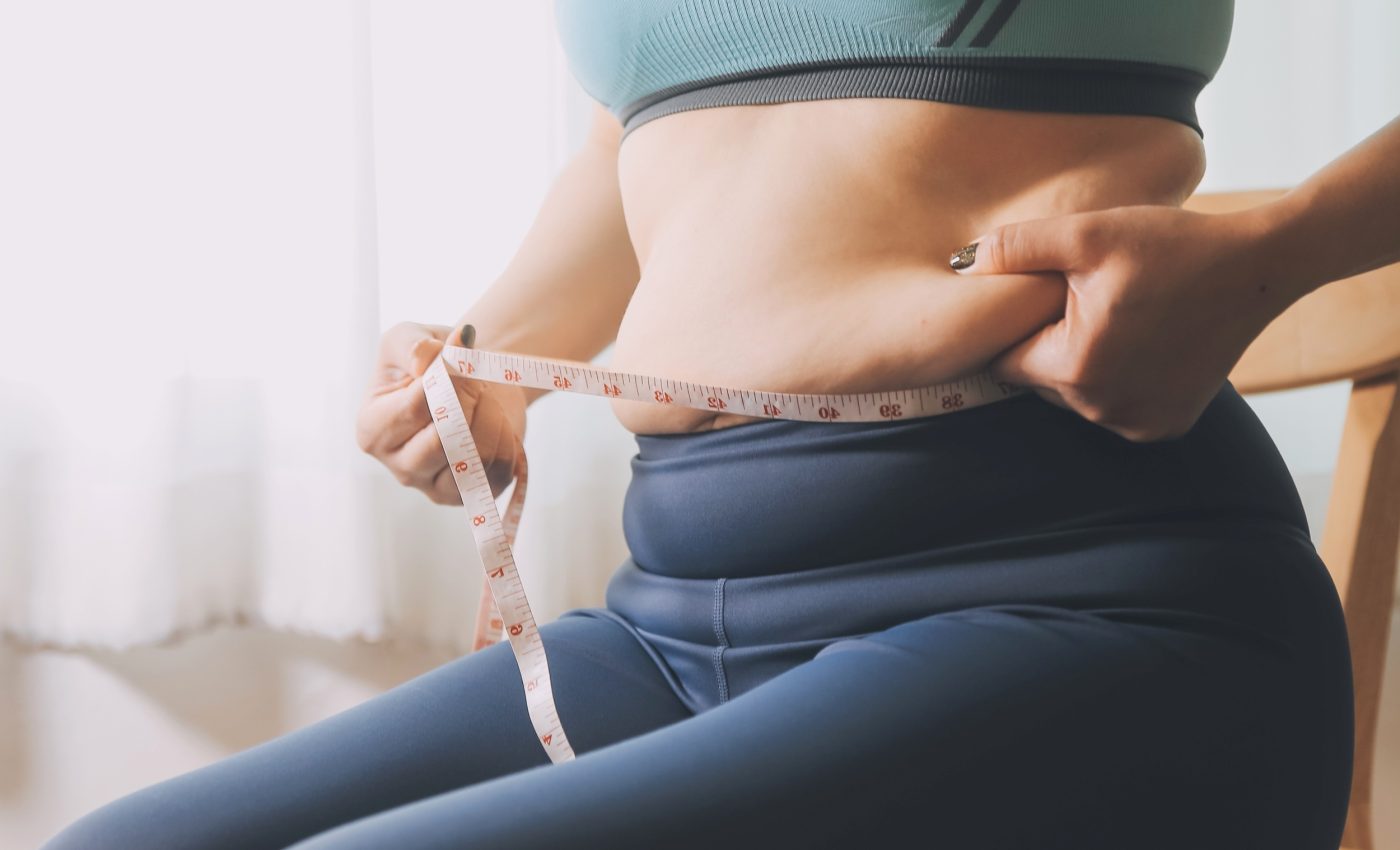
Belly fat signals heart risks - even in adults with a healthy weight



 Follow Earth on Google
A thicker waist is not only about looks or how clothes fit. New imaging results and a global data set now tie waist fat to specific damage inside the heart, especially in men, and to higher odds of high blood pressure, diabetes, and abnormal blood fats.
Researchers in Germany used detailed heart scans while public health teams around the world tracked waistlines in hundreds of thousands of adults, even people whose weight looks normal on the scale.

Together, their work shows that where fat sits on the body can matter more to the heart than how much someone weighs overall.
How waist fat strains the heart
The work was led by Dr. Jennifer Erley, a radiology resident at University Medical Center Hamburg Eppendorf in Germany (UKE).
Her research focuses on how extra fat in the abdomen reshapes the heart long before any symptoms appear.
Doctors call this abdominal obesity, extra fat packed mainly around the waist. Much of it lies deep in the belly, surrounding organs like the liver and intestines. There, it releases hormones and inflammatory signals that can strain the heart and blood vessels.
A one-in-five risk
In a recent global analysis using health surveys from many regions, more than one in five adults with a so-called normal weight by body mass index still carried this risky belly fat pattern.
Those normal-weight people with larger waists were more likely to live with high blood pressure, diabetes, raised total cholesterol, and elevated triglycerides compared with peers whose waists stayed smaller.
Earlier research in middle-aged Finnish men found that a high waist-to-hip ratio nearly tripled the risk of acute coronary events compared with leaner waists.
That work also showed that the danger was greatest in men who smoked or had poor fitness, highlighting how unhealthy habits and abdominal fat can team up against the heart.
Structural changes in heart
In the Hamburg study, advanced MRI captured cardiac remodeling, which refers to structural changes in the heart muscle that develop gradually under long-term stress.
Instead of waiting for chest pain or shortness of breath, the scans revealed subtle changes in the heart’s size and shape in people who felt well.
“Abdominal obesity, a high waist-to-hip ratio, is associated with more concerning cardiac remodeling patterns than high body mass index (BMI) alone,” said Erley.
“It appears to lead to a potentially pathological form of cardiac remodeling, concentric hypertrophy,” said Erley.
A shrinking inner chamber
This pattern, called concentric hypertrophy, means the heart wall thickens while the inner chamber shrinks.
A smaller chamber holds and pumps less blood with each beat, and the stiff muscle has a harder time relaxing between beats, which can eventually set the stage for heart failure.
In men with large waists, the scans showed smaller right ventricular volumes and higher muscle mass, hinting that the side of the heart sending blood to the lungs takes an early hit.
These findings, reported from the Radiological Society of North America meeting in Chicago, stayed strong even after accounting for smoking, cholesterol levels, diabetes, and high blood pressure.
Hidden risk in normal-weight bodies
Body mass index is a familiar number to many people, yet it only compares weight to height and does not show where fat sits on the body.
Someone can score in the normal range while still carrying most of their fat around the waist, and their health risks can look very different from a person whose fat is spread out.
The global survey described a cluster of problems linked to cardiometabolic risk – combined heart and metabolic conditions like diabetes and abnormal blood fats – among adults with normal weight but large waists.
Across countries, these people faced higher odds of blood pressure and cholesterol problems than neighbors whose waistlines stayed below abdominal obesity cutoffs, even when overall weight looked fine.
The same data tied belly fat to lifestyle patterns that are common in modern cities, including lower physical activity and diets with fewer fruits and vegetables.
Unemployment also tracked with higher rates of abdominal obesity, hinting at the role of stress, limited food choices, and fewer chances for movement.
Rethinking simple weight checks
An international statement from obesity experts has urged clinicians to treat waist circumference like a vital sign, not an optional extra after reading the scale.
They argue that combining waist measurement with body mass index gives a clearer picture of who is at risk for heart attacks, strokes, and type 2 diabetes than either measure alone.
World Health Organization guidelines now highlight simple waist and waist-to-hip measurements, flagging higher risk when the waist-to-hip ratio rises above about 0.90 in men and 0.85 in women.
Those cutoffs are meant as early warning points so that blood tests and blood pressure checks can begin before damage builds up silently.
Yet, waistlines still often go unmeasured in busy clinics. That gap means a man with a stocky build and modest total weight can be told his numbers look fine even while his heart is slowly adapting to the extra pressure from deep belly fat.
How to protect your heart
A flexible tape measure at home can do more for heart awareness than many people realize.
Measuring the waist at its narrowest point and the hips at their widest point gives a simple ratio that helps reveal whether fat is collecting in the abdomen.
Much of that abdominal fat is visceral fat, metabolically active tissue wrapped around organs that sends out signals raising blood pressure, blood sugar, and harmful blood fats.
People who discover that their waist measurement is creeping up can use that information as a prompt to talk with a clinician about earlier screening and realistic changes in activity and eating patterns.
“Rather than focusing on reducing overall weight, middle-aged adults should focus on preventing abdominal fat accumulation through regular exercise and a balanced diet,” said Erley.
Practical choices like brisk walking on most days of the week, cutting back on sugary drinks and heavily processed snacks, and getting enough sleep can all help redirect new fat away from the belly.
Identifying risks early
Raising awareness among radiologists and cardiologists also matters. When imaging teams notice the remodeling pattern tied to abdominal obesity, they can highlight that observation in their clinical reports.
This added clinical note may prompt primary care clinicians to review patients’ waist measurements more carefully.
Earlier attention to these measurements can help clinicians with prevention and intervene before symptoms appear.
The study is published in the journal JAMA Network Open.
—–
Like what you read? Subscribe to our newsletter for engaging articles, exclusive content, and the latest updates.
Check us out on EarthSnap, a free app brought to you by Eric Ralls and Earth.com.
—–