Bamboo plant species that only blooms every 120 years may never bloom again



 Follow Earth on Google
Across parts of Japan, a bamboo plant species that flowers only once every 120 years is blooming. Unfortunately, the plant known as henon bamboo is quickly vanishing, facing extinction.
Researchers watching this rare event see many aging stands beginning to die back together, raising the possibility that some may never survive to bloom again.

If its flowers fail to set seed, entire tracts of countryside that rely on dense bamboo thickets for food, craft materials, and soil stability could empty out.
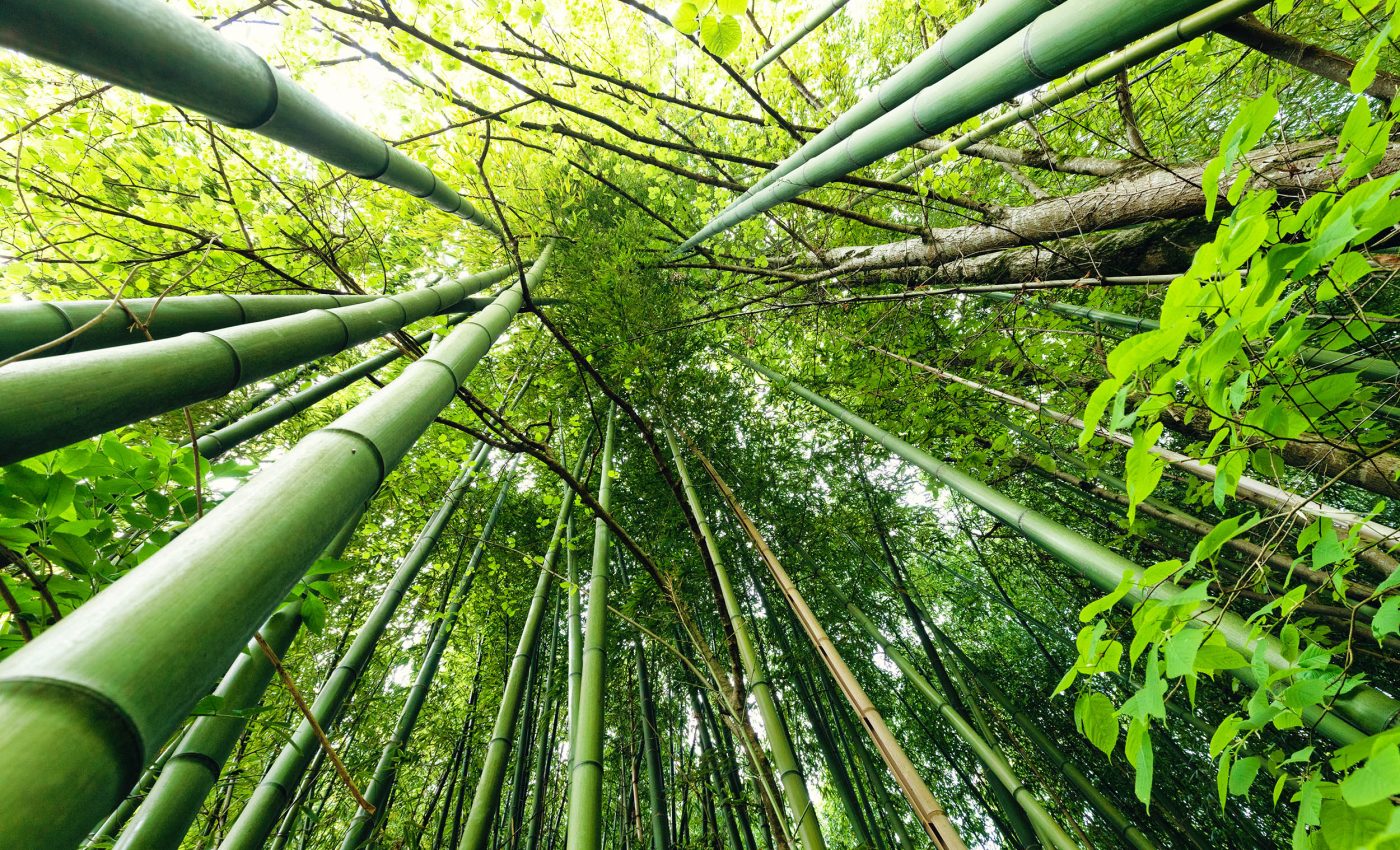
The species at the center of this concern is Phyllostachys nigra var. henonis, sometimes called hachiku or henon bamboo. It is a tall, temperate plant that is woven deeply into local farms, forests, and economies across Japan.
How henon bamboo lives and dies
Henon bamboo follows an unusually strict life cycle. It is monocarpic, meaning it grows for decades, flowers once in a synchronized burst, then dies completely.
Archival records suggest it blooms across much of Japan only after very long intervals. The last nationwide flowering was documented in 1908.
The latest field work tracking this life cycle is being led by Toshihiro Yamada at Hiroshima University in western Japan. His research focuses on how henon bamboo regenerates, or fails to regenerate, after its rare flowering events.
A small stand in western Japan began flowering early in 2020, giving scientists a rare chance to watch the entire cycle unfold in real time.
In modern Japan, this bamboo now forms dense thickets planted for edible shoots and straight, green stems used in construction and craft work.
As those thickets age together, they can stretch across hillsides and valley edges, all waiting for the same rare flowering moment.
What the new study found
In a three-year field study, Yamada and colleagues monitored a flowering stand in Fukutomi, western Japan. They marked every segmented stem, known as a culm, and followed its fate.
More than 80 percent of those culms eventually flowered and within three years, every mature stem in the plot had died.
“The bamboo did not produce any viable seeds that can germinate,” said Yamada. His comments accompanied a public report describing how shoot production stopped and early regrowth failed for at least three years.
Similar patterns at other sites
Long-term observations at other Japanese sites have shown the same pattern. Flowering forests become covered in spikelets but almost no mature seeds or seedlings of henon bamboo form.
In that research, the flowering stands invested heavily in blossoms, yet asexual regrowth and seed-based regeneration both remained extremely weak.
The causes are still uncertain, but one idea points to self-incompatibility, a genetic system that stops plants fertilizing close relatives.
Another possibility involves tiny fly larvae in the genus Dicraeus, which feed inside bamboo flowers and can destroy large numbers of developing seeds before they ever mature.
From bamboo forest to grassland
As flowering swept through the Fukutomi stand, the tall bamboo culms slowly dried out, leaving their skeletons standing but largely leafless.
Those stems are the woody, aboveground stalks that normally keep a bamboo grove shaded and stable for decades. As the culms died back, light flooded the forest floor, and herbs and grasses quickly colonized the now open soil.
Within just a year, dense ground vegetation replaced the once shaded understory, leaving the area dominated by grasses and herbs instead of bamboo stems.
Bamboo loss will reshape habitats
Across Japan, those stands add up to roughly 420,000 acres of land, and stretch across hillsides, riverbanks, and village edges.
If large portions of henon bamboo fail to return, these sites could remain as grassland for years, reshaping local habitats and shrinking supplies of bamboo shoots and poles.
Losing these thickets also removes a network of underground rhizomes – branching, stem-like roots – that hold loose soil together.
Studies on other bamboo species show that such root systems can reduce erosion, improve soil structure, and help rehabilitate degraded land, especially on steep slopes.
Lessons from henon bamboo
Because henon bamboo spreads mainly through underground clones rather than seeds, replanting from healthy stands could help restore some areas once the flowering die-off passes.
Managers must also plan for the opposite problem. Renewed invasion by vigorous stands could occur once conditions improve. This has been seen with other Phyllostachys forests across Japan in recent decades.
The post flowering window may be the only practical time to clear unwanted groves completely. By then the underground network is weakened, and no new shoots are rising to replace the dead culms.
Yet, somehow, this bamboo has persisted in Japan for more than a thousand years. Researchers suspect that weak shoots rising from surviving rhizomes may slowly rebuild groves between flowering events. This process has, however, never been documented in full.
The flowering now beginning in scattered stands therefore acts as a natural experiment, testing whether henon bamboo can still recover on its own under modern pressures.
What happens over the next decade, in both the forests and the policies that govern them, will determine the meaning of this once-in-a-century bloom.
The study is published in PLOS ONE.
—–
Like what you read? Subscribe to our newsletter for engaging articles, exclusive content, and the latest updates.
Check us out on EarthSnap, a free app brought to you by Eric Ralls and Earth.com.
—–