How electric vehicles can power homes and slash energy bills



 Follow Earth on Google
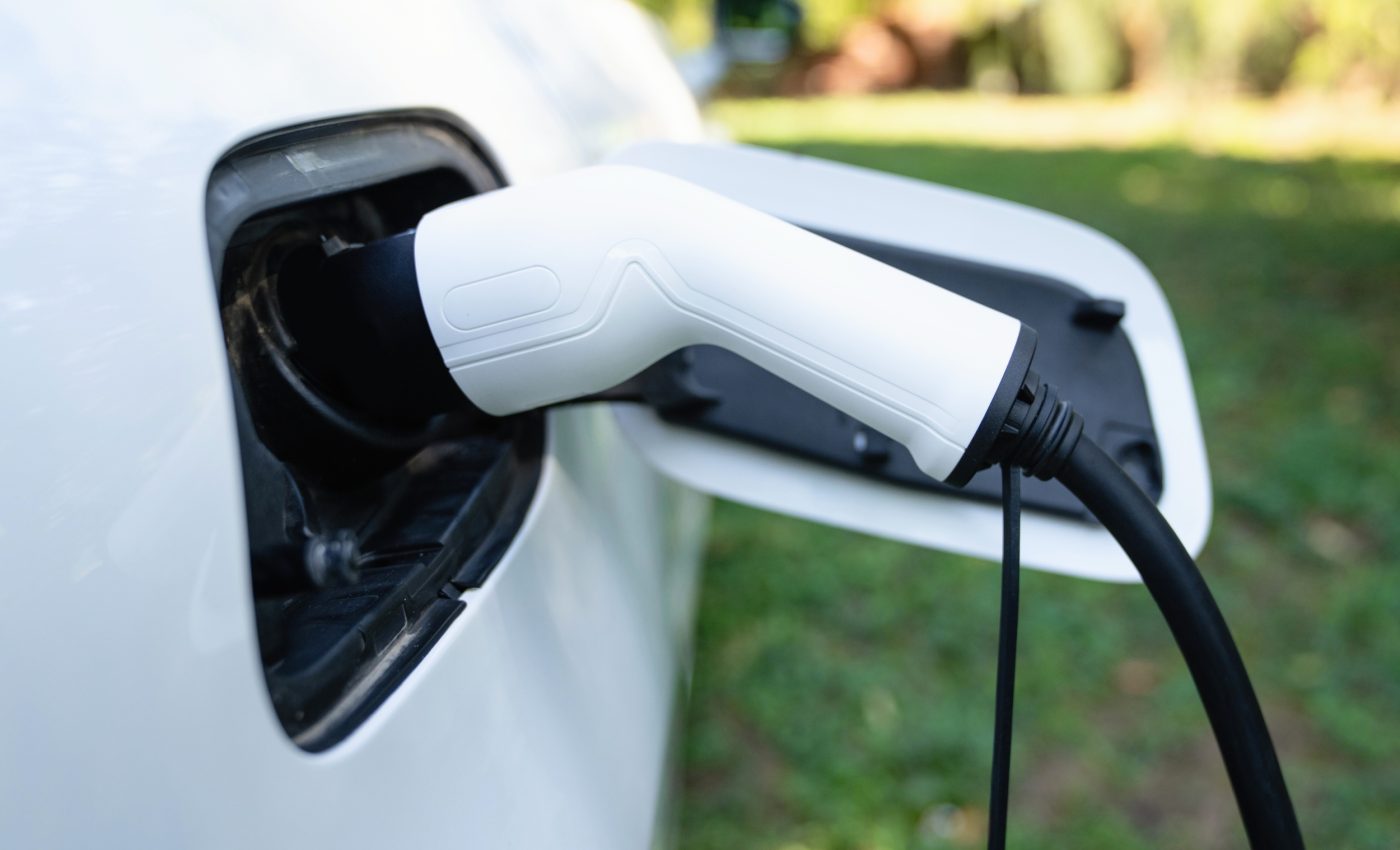
Electric vehicles aren’t just cleaner cars. They’re giant batteries on wheels.
New research from the University of Michigan and Ford Motor Company shows that plugging those batteries into your house – so-called vehicle-to-home, or V2H – can turn everyday EVs into behind-the-scenes energy managers.
Electric vehicles that power homes

By smartly charging when grid power is cheap and clean, then feeding your home later, an electric vehicle can save its owner thousands of dollars across the car’s life while shrinking the household’s carbon footprint in a meaningful way.
Study co-author Parth Vaishnav is an expert in the School for Environment and Sustainability (SEAS) at the University of Michigan.
“Putting vehicle batteries between the electricity grid and homes makes it possible for homes to buy electricity for all household uses when it is cheap and clean – for example, in the afternoon, when there is a lot of solar power – and to store it in the car’s battery for later use,” said Vaishnav.
The upshot, he added, is that an EV can pull double duty: “In addition to reducing greenhouse gas emissions from transport, the EV could also help cut building sector greenhouse gas emissions.”
Savings over a vehicle’s life
The researchers estimate that V2H can trim 40% to 90% off lifetime charging costs versus conventional plug-and-charge behavior.
In dollars, that’s roughly $2,400 to $5,600 in savings over a vehicle’s life, depending on where you live and how your home uses energy.
On the climate side, the team finds that using an EV battery as a home buffer can reduce the carbon tied to a household’s electricity use by 70% to as much as 250% across the vehicle’s lifetime – equivalent to avoiding 24 to 57 tons of CO2.
The reductions can exceed 100% when V2H more than compensates for the extra electricity the car needs to drive, Vaishnav said.
A coast-to-coast picture
Rather than assume one size fits all, the researchers mapped conditions across the contiguous United States, dividing the country into 432 regions that share climate and grid characteristics.
The team modeled a representative mid-size electric SUV while accounting for local realities, including electricity prices, time-of-use rates, and the mix and cleanliness of power generation.
The researchers also factored in regional housing characteristics and outdoor temperatures that influence heating and cooling demand.
Turning EV charging into an asset
The result of the analysis is a high resolution view of where V2H delivers the greatest financial benefits and the biggest carbon cuts.
“We have a lot of geography-based insight,” said SEAS doctoral student Jiahui Chen, the study’s lead author.
Some regions see modest gains. Other regions, notably parts of Texas and California, can see electricity savings so large that it more than pays for the electricity needed for driving, noted Chen.
“When people think of EV charging, it’s usually thought of as a burden, a cost that is added to your electric bill. But, with this kind of technology integration, we can make charging an asset.”
Vehicles as electricity storage devices
V2H works because it matches household demand with cleaner, cheaper supply – time-shifting energy instead of simply cutting use. In grids with growing solar and wind, mid-day and overnight hours can be both cleaner and less expensive.
With a bidirectional charger and simple automation, the EV soaks up power during those windows, then powers appliances, HVAC, and evening routines when rates and emissions climb.
You don’t need a new rooftop array or a massive stationary battery; you just use the one already sitting in your garage.
This approach also smooths demand for the grid, blunting peaks that are costly and carbon-heavy. And because vehicles are parked the vast majority of the time, their dormant capacity is a ready-made resource, noted Ford life-cycle analyst Robb De Kleine.
“As we try to decarbonize the grid, we need energy storage to be able to do that. A lot of the time, the first instinct is to build stationary storage. But EVs could serve as electricity storage devices. They just happen to have wheels on them.”
Optimizing the technology
There’s real promise here, but also system “plumbing” to finish. Hardware standards, utility programs, and smart-charging software are all maturing.
“Another important factor is that the technology to control charging and maximize V2H isn’t fully plug-and-play in the U.S. yet, but it is actively being demonstrated with local utilities in various U.S. markets,” said Hyung Chul Kim, a research scientist at Ford.
The team is working with utilities on the best use cases and on strategies to optimize overall battery lifetime.
The goal, Kim said, is simplicity: “Drivers won’t have to change anything – they would park and plug in their EVs as normal, then technology running in the background automatically finds the best charging and discharging times.”
Costs to enable V2H – bidirectional chargers, home electrical upgrades, and utility interconnection – vary by market, as do the rate plans that make time-shifting most valuable.
The study’s contribution is to quantify the practical upside so that homeowners, automakers, and utilities can judge when the economics and emissions reductions justify the setup.
Electric vehicles as home batteries
The broader message is less about gadgets than about flexibility. Smart charging turns your EV from a pure consumer of electricity into a partner for your home and community.
In regions covering about 60% of the U.S. population, the study finds that V2H can more than fully offset the emissions from charging.
In a growing number of places, it can also flip charging from cost center to cost saver. Framed that way, V2H isn’t just a perk. It’s a practical step toward a cleaner, steadier, more affordable grid.
The research team’s bottom line is clear: the technology works, the benefits are tangible, and the remaining hurdles are surmountable.
Or, as Vaishnav concluded, if you’re buying or building EVs to cut emissions, V2H “tells you” they can do even more – clean up household power while trimming the bill.
The research is published in the journal Nature Energy.
—–
Like what you read? Subscribe to our newsletter for engaging articles, exclusive content, and the latest updates.
Check us out on EarthSnap, a free app brought to you by Eric Ralls and Earth.com.
—–