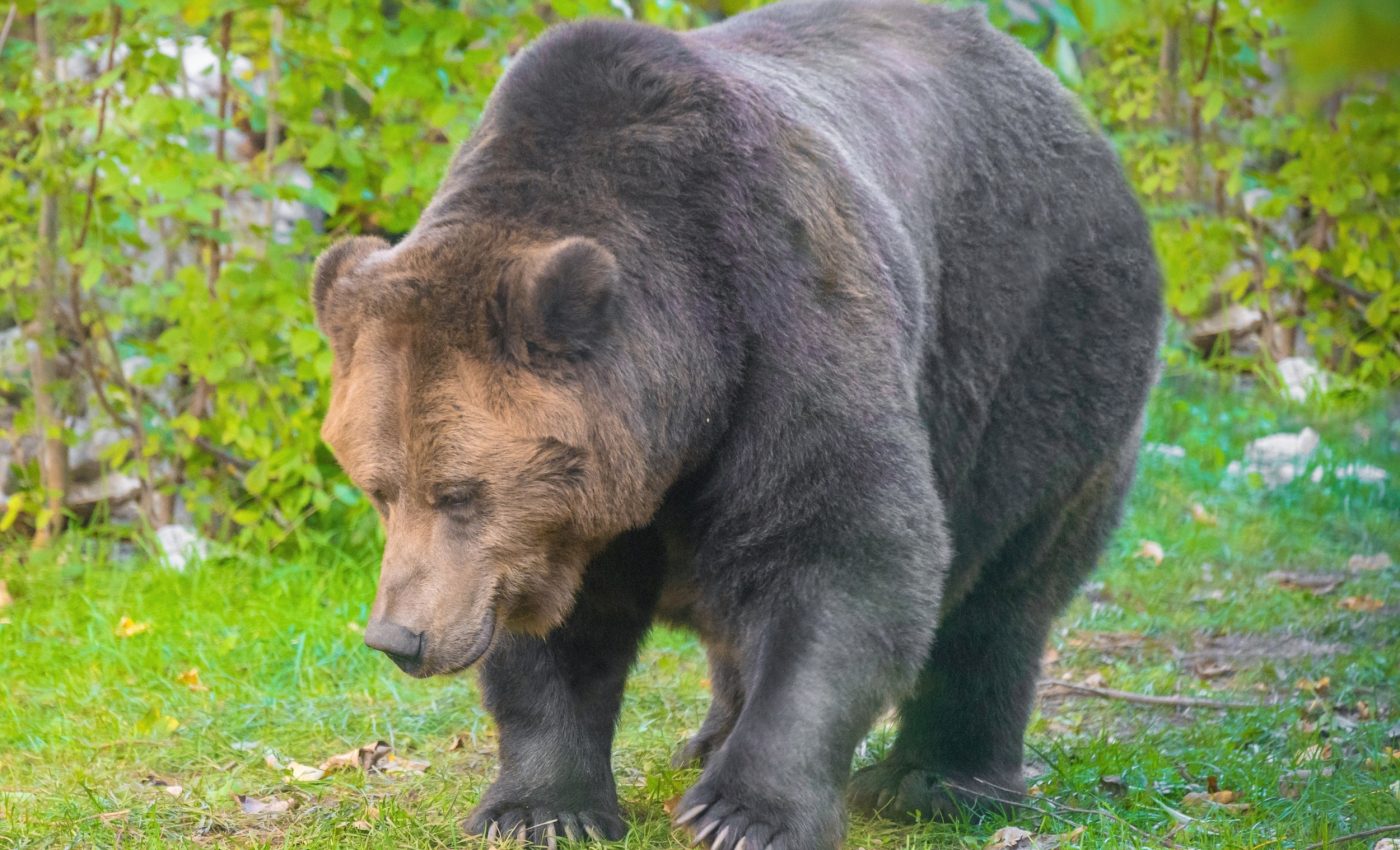
Living near people can make bears smaller and calmer



 Follow Earth on Google
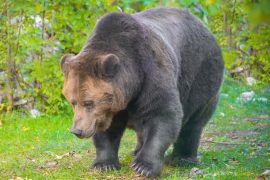
A genomic analysis suggests about 50 Apennine brown bears in Central Italy evolved smaller bodies and less-aggressive behavior.
Living close to villages may have rewarded calmer bears, because people often removed animals that threatened livestock or safety.
Apennine bears shaped by humans

The work was led by Dr. Andrea Benazzo at the University of Ferrara (UniFE). His research focuses on how genomes record adaptation and risk in small wildlife populations over time.
Biologists classify the Apennine brown bear as a subspecies – a distinct regional form within one species.
Compared with other brown bears, this population shows a distinctive phenotype, visible traits shaped by genes and environment.
Why Apennine bears are different
This bear group has been isolated in Central Italy for a long time, and small populations can end up looking and acting different.
“One major cause of decline and isolation was probably forest clearance associated with the spread of agriculture and increasing human population density in Central Italy,” said Benazzo.
Isolation allows genetic drift – random gene changes that grow in small populations – to rival the effects of natural selection.
Living close to humans
For centuries, farms, orchards, and roads have pressed into the same valleys where these bears feed and den.
This contact can create selective pressure – survival and breeding differences that favor certain traits – even without anyone planning it.
When people kill or relocate problem animals, they can change which behaviors get passed to the next generation.
Genes influence bear behavior
Aggression is not one switch, and genes influence it through hormones, brain wiring, learning, and even early stress.
Scientists debate whether calmer wildlife reflects flexible behavior shaped by experience or true genetic change.
To make that call, researchers look for patterns in DNA that match the trait and differ from nearby populations.
Creating a full bear genome
The UniFE researchers built a reference genome, a high-quality DNA map used for comparisons, for the Apennine population.
They sequenced whole genomes from local bears and compared them with bears from Slovakia and North America.
By assembling DNA into full chromosomes, the experts avoided many gaps that can hide rare variants in fragmented maps.
Genetic costs of long isolation
Isolated populations often lose genetic diversity, which can limit future options.
Apennine bears carried far fewer DNA variants than Slovak bears, and they had evidence of inbreeding.
This pattern can increase harmful mutations carried by a population, which ultimately raises the risk of extinction.
High inbreeding in wild bears
The genomes contained long runs of homozygosity, matching DNA stretches inherited from both parents, across much of each bear.
In many bears, these stretches covered more than 66% of the genome, signaling recent close mating in the lineage.
Very long segments suggested some inbreeding happened within about ten generations, which matters for health and fertility.
Humans influence which bears survive
The team scanned the genomes for positive selection – genetic patterns showing favored variants spreading faster than chance.
Many standout variants sat in non-coding regions, DNA stretches that do not make proteins, yet they can still affect behavior.
The results fit an idea from wildlife management: people remove aggressive animals, and gentler ones leave more cubs.
Bears can also learn, and habituation – becoming accustomed to people and treating them as neutral – can reduce stress in crowded areas.
Genetic adaptation is different, because it alters the likelihood that a cub is born more cautious or less reactive.
Why smaller body size evolved
Body size in large mammals responds to food, climate, and danger, so the Apennine pattern may have multiple causes.
Lower body mass may require fewer calories and shorter trips, and that can limit close contact with people.
Behavior can respond quickly when survival depends on it, and physical traits can follow over many generations.
Restocking risks for Apennine bears
Protecting this bear means balancing safety for nearby communities with protection for a population already close to collapse.
Low diversity can make disease, food shortages, or heat stress more dangerous, because fewer individuals carry useful variants.
Some managers consider restocking, adding animals to boost a shrinking population, yet mixing lineages can erase local adaptations.
Moving bears from elsewhere can also raise conflict if newcomers act bolder around farms or approach people more often.
Human influence on wildlife
Giorgio Bertorelle, another researcher involved in the study, noted that the general implications of the findings are clear.
“Human-wildlife interactions are often dangerous for the survival of a species, but may also favor the evolution of traits that reduce conflict,” said Bertorelle.
“This means that even populations that have been heavily and negatively affected by human activities may harbor genetic variants that should not be diluted, for example, by restocking.”
The study is published in the journal Molecular Biology and Evolution.
—–
Like what you read? Subscribe to our newsletter for engaging articles, exclusive content, and the latest updates.
Check us out on EarthSnap, a free app brought to you by Eric Ralls and Earth.com.
—–