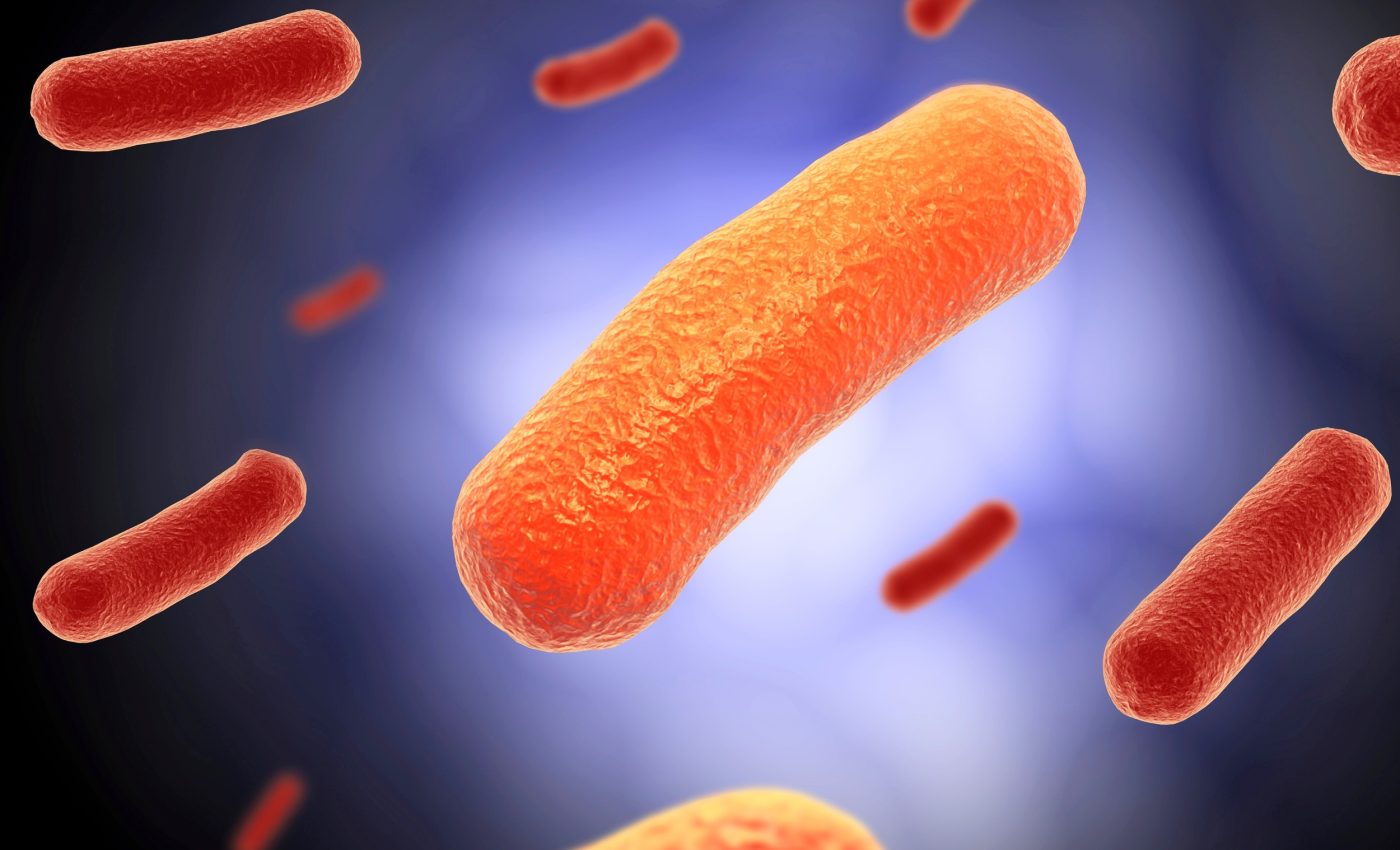
Microbes long seen as threats may actually help our health



 Follow Earth on Google
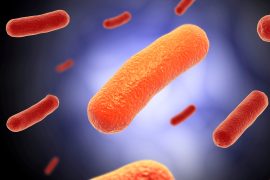
When microbes make the news, they are usually cast as threats. Bacteria and viruses are framed as enemies to eliminate, hazards to control, or risks to fear.
But a growing body of research suggests that this view is incomplete. Many microbes – and the natural compounds they produce – actively support human health, help regulate immune systems, and strengthen ecosystems. Ignoring them may be costing us resilience.

Now, a team led by Flinders University microbial ecologist Jake Robinson is pushing for a shift in perspective.
In a new study, the researchers introduce the Database of Salutogenic Potential, the first open-access effort to catalog microbes and biogenic compounds tied to positive health effects rather than disease.
It also shows where people are most likely to encounter these beneficial exposures in everyday environments.
Rethinking microbes and health
If you’ve worked in public health, the pathogen-first mindset makes sense. For more than a century, microbes in air, soil, and water have been scrutinized as causes of infection and contamination. That vigilance has saved lives.
But there’s a cost. We have overlooked the equally real microbial diversity that supports human and planetary health. These organisms help train immune systems, modulate inflammation, influence metabolism, and dampen stress.
Robinson is blunt about the imbalance. “For well over a century, microbes and chemicals in the air have mainly been studied as threats,” he said.
“While this pathogen-centric lens has saved countless lives, it also risks overlooking the invisible biodiversity that actively supports human and planetary health.”
“By consolidating this data, we aim to rebalance the story of microbes – highlighting not only what makes us sick, but also what keeps us well. After all, health is not merely the absence of disease.”
Mapping beneficial microbes
The prototype database currently lists 124 potentially salutogenic microbial taxa and 14 beneficial biochemical compounds, from soil-dwelling bacteria to plant-derived phytoncides.
Each microbe is linked to measurable benefits such as immune regulation, stress reduction, and metabolic support.
The database also records environmental origins, allowing users to see where these health-positive exposures are most likely to occur, such as in forest air, biodiverse soils, or green schoolyards.
“We’re not viewing this database as a finished tool. It’s a foundation – an invitation for scientists, practitioners, and communities to co-create a fuller picture of how invisible biodiversity sustains our lives,” Robinson said.
The team designed it to grow beyond human health outcomes into ecosystem health, embedding salutogenic thinking within One Health frameworks that connect people, animals, and environments.
Healthier cities through microbes
Translate the idea into real spaces, and the potential snaps into focus. Urban planners could use the database to inform greener, microbially rich parks, streetscapes, and schoolyards.
Public health agencies could align nature-based interventions with specific exposure to microbes known to support immune balance or reduce stress.
Restoration ecologists could choose planting and soil strategies that not only stabilize landscapes but also boost salutogenic microbiomes.
“The implications are far-reaching – from designing healthier cities and schoolyards to guiding ecosystem restoration and rethinking green infrastructure,” Robinson said.
In short, if biodiversity loss harms health, then restoring microbial and biochemical richness could be a lever for healthier futures.
Balancing benefits with real risks
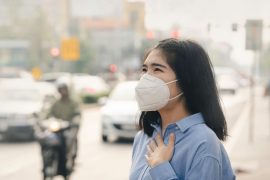
None of this sugarcoats microbial hazards. As Robinson’s broader work shows, city environments can also harbor more pathogens than forests.
For instance, recent research he contributed to found that urban soils contained several-fold higher levels of Klebsiella pneumoniae, underscoring the need for risk assessment alongside salutogenic design.
The point is balance: build policies that reduce harmful exposures while deliberately cultivating the beneficial ones we have long ignored.
That balance also applies to funding. The paper critiques “false solutions” to health or environmental problems that chase optics over outcomes.
Here, the team calls for evidence-led investment in nature-based, microbially informed interventions that deliver real wellbeing gains, especially in communities facing environmental injustice.
Microbes and public fairness
Because it catalogs specific taxa and compounds with documented benefits, the microbe database could help move policymaking beyond vague calls for “more green space.”
It makes it easier to set standards, pilot interventions, and measure outcomes. It also invites a justice lens: which neighborhoods have access to salutogenic environments, and which don’t?
If the health-protective benefits of biodiversity are real – and mounting evidence says they are – then equitable access becomes a public health priority, not a luxury.
Building healthier environments
The database is open-access and intentionally collaborative, and researchers expect it to grow.
Over time, it will include more taxa, more compounds, stronger links to clinical and ecological outcomes, and clearer guidance for design and restoration projects.
As that evidence base expands, scientists envision creating tailored “microbial nutrition labels” for places such as schools, hospitals, housing developments, and parks.
The goal is not just to green spaces, but to enrich them microbiologically in ways that actively support human health.
A shift in how we think about microbes
Robinson describes the project as a shift in mindset towards microbes as much as a dataset.
“Just as biodiversity loss threatens our health, restoring microbial and biochemical richness could be a key to healthier futures,” he said.
Put simply, humans do not thrive despite the invisible microbial world. We thrive with it. The research does not deny that pathogens can be dangerous. Instead, it argues they are not the whole story.
Through the Database of Salutogenic Potential, scientists are offering cities, clinicians, planners, and communities a practical way to identify, protect, and design for microbial allies that help keep populations resilient.
At its core, the work is a call to action. Rather than treating biodiversity as something to sterilize away, the study urges society to recognize it as a cornerstone of public health.
The study is published in the journal Microbial Biotechnology.
—–
Like what you read? Subscribe to our newsletter for engaging articles, exclusive content, and the latest updates.
Check us out on EarthSnap, a free app brought to you by Eric Ralls and Earth.com.
—–