Raccoons know which city roads aren’t worth crossing



 Follow Earth on Google
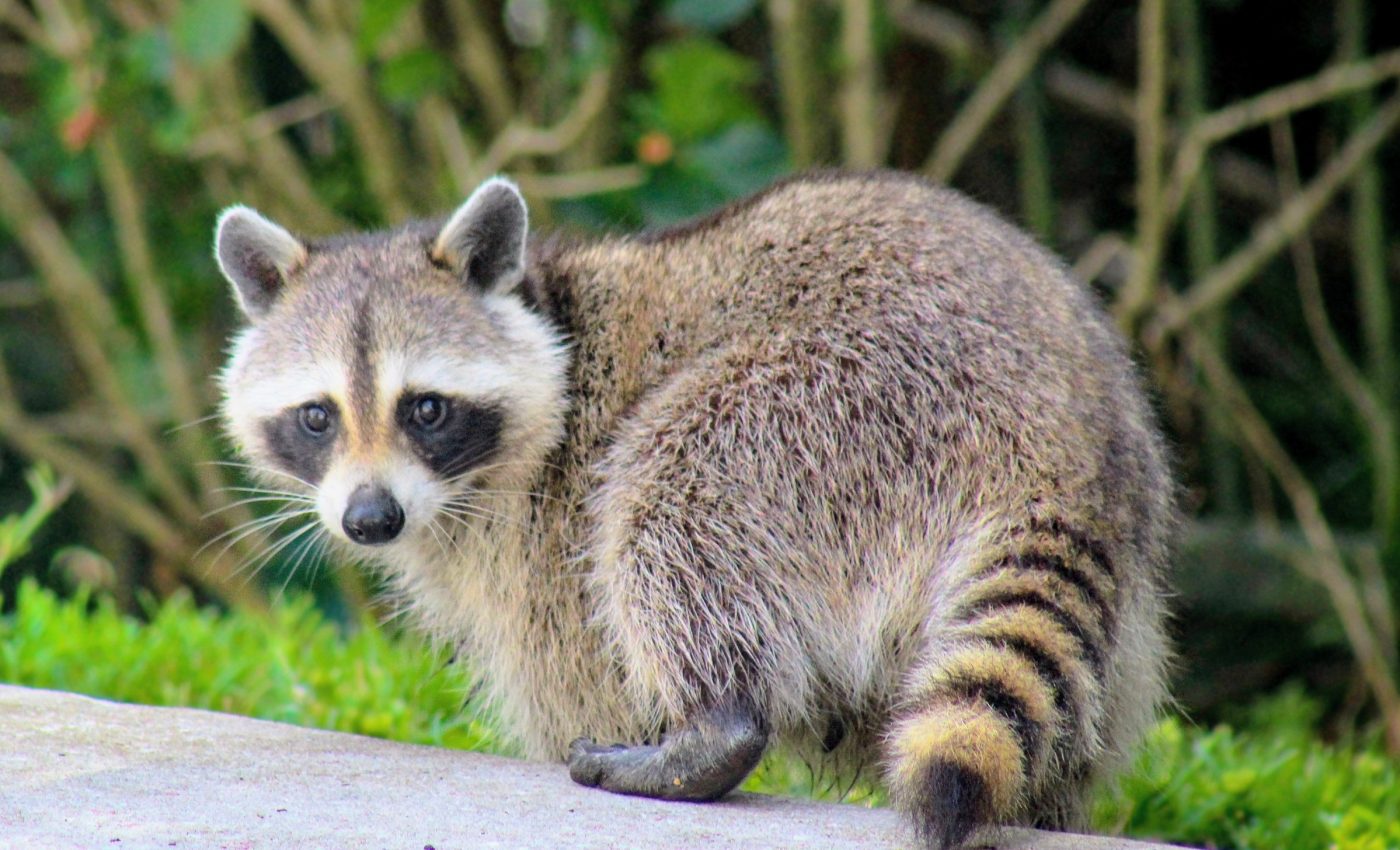
Raccoons in St. Louis’s Forest Park are quietly telling scientists that some city roads are simply not worth crossing.
In the new Forest Park raccoon study, researchers tracked ten animals using motion sensing collars over several years.

Instead of zigzagging across streets in search of extra snacks, most collared raccoons stayed on one side, skirting busy roads.
That pattern hints that roads can function as boundaries for urban wildlife, animals that live in cities alongside people and infrastructure.
How raccoons were studied
The work was led by Stella F. Uiterwaal, a movement ecologist at Saint Louis University, (SLU). Her research focuses on how animals use space in crowded landscapes, especially cities where wildlife and people constantly overlap.
Each raccoon wore a tracking device that combines satellite positioning with radio signals to log the animal’s location across days and nights.
The team collected a dense stream of location points between 2021 and 2024, capturing how raccoon movements changed with seasons and weather.
Where raccoons lived
The project followed 10 raccoons living inside St. Louis’s Forest Park, a roughly 1,300 acre patch of lawns, woods, and lakes.
Most animals kept home ranges, areas they routinely used for feeding and resting, that covered only small portions of the park.
Only one especially adventurous raccoon regularly slipped beyond the boundaries to visit nearby dumpsters and back alley food sources.
For the rest, staying inside the park suggested that Forest Park already supplied enough shelter, water, and food to meet their needs.
Roads act as barriers
When wildlife encounter roads, the threat is not just being struck by vehicles but also having their normal routes cut into disconnected fragments.
One behavior-based framework groups animals into categories based on how traffic volume turns roads into deadly traps or psychological walls.
Forest Park raccoons mostly matched the avoidance pattern, treating the busiest through streets as hazards to steer around rather than shortcuts.
When the team compared the animals actual paths with thousands of simulated routes, the raccoons crossed fewer roads than chance would predict.
Movement patterns at night
Collar data confirmed that Forest Park raccoons were mainly active at night, with bursts of movement around dusk and dawn.
Tiny tri-axial accelerometers, sensors that measure movement in three directions many times per second, showed when animals were resting or on the move.
The raccoons tended to move more on warmer days, suggesting that temperature nudged them toward longer bouts of foraging and exploration.
Across the year, total nighttime activity peaked during long winter and fall nights, when darkness offered extended hours for moving safely.
How raccoons adjust to seasons
On short summer nights, the collars recorded more activity per hour, as raccoons crammed movement into narrow windows of darkness.
In a St. Louis public radio interview, dust co-author Stephen Blake compared that pattern to animals speeding up their nightly work.
“It’s as if they’re working harder and faster to pack as much foraging into their nights [as possible],” said Blake, an assistant professor who specializes in animal movement.
That time pressure suggests raccoons can flex their behavior to keep finding food even as light and temperature change.
Why raccoons avoid traffic
Earlier research on raccoons in Illinois found that urban and suburban animals faced higher road-kill, showing how traffic can cut survival.
Forest Park raccoons may avoid the worst danger by rarely crossing big roads, but that strategy cannot protect all individuals that venture out.
Some animals use underpasses or drainage culverts to move beneath highways, so designing these safe routes can make unavoidable crossings less deadly.
If animals in different park sections rarely cross roads, their populations can become isolated, with limited chances to mix and breed.
Long-term effort to study raccoons
The raccoon project is only one part of the Forest Park Living Lab, a long-term effort to monitor many species at once.
The zoo’s Forest Park Living Lab program brings together experts to track the health and movement of numerous species in the park.
From hawks to snapping turtles and now raccoons, more than 15 species carry tags or appear on camera traps across the park.
Researchers hope that sharing these findings with residents will encourage people to see Forest Park as a living ecosystem, not a recreation space.
Raccoons in cities
Raccoons are masters of urbanization, thriving in neighborhoods where other species disappear once pavement and traffic dominate.
Past studies have found that raccoon densities in some city parks and suburbs exceed those of rural areas, reflecting easy access to waste.
High raccoon densities near people can lead to more conflicts over trash, attics, or gardens, and also raise concerns about disease.
Knowing where animals move in a city park gives managers a starting point for reducing trouble spots without driving raccoons away entirely.
Planning safer parks
The raccoon work fits into a field called movement ecology, which examines how animals travel across landscapes shaped by features and human structures.
By mapping where raccoons and other species move, park planners can decide where crossings, reduced-speed zones, or underpasses would make the most difference.
If raccoons rarely approach road edges, managers might prioritize those corridors for plantings, fencing, or signage that keeps both drivers and animals safer.
Lessons from raccoons can inform planning for species less comfortable around people, such as foxes, owls, or songbirds that share the same park.
Raccoons know roads are dangerous
People walking or biking through Forest Park may rarely notice raccoons near roads, yet the animals are watching us from trees and underbrush.
The study suggests that our choices about where to leave trash, how fast we drive, and whether parks stay open shape raccoon behavior.
“They often have access to human food, [i.e.] trash, but they’re also understanding that the roads are dangerous,” noted Dr. Sharon Deem, director of the St. Louis Zoo Institute for Conservation Medicine.
Small choices like securing trash, keeping dogs leashed near edges, and respecting park speed limits make a difference for the raccoons we rarely see.
Future research directions
Despite the detailed tracking, the researchers still do not know how quickly raccoons learn these safe paths or whether behavior changes over generations.
Their sample contained 10 individuals, so future work will need more animals and other species to test whether this pattern holds citywide.
Because the Living Lab also collects health samples, linking movement data with disease screening could show whether road avoidance protects raccoons from pathogens.
The study is published in the Journal of Mammalogy.
—–
Like what you read? Subscribe to our newsletter for engaging articles, exclusive content, and the latest updates.
Check us out on EarthSnap, a free app brought to you by Eric Ralls and Earth.com.
—–