Study confirms this exercise is best for improving sleep quality



 Follow Earth on Google
A new wave of sleep research is pointing in a surprising direction. For people with diagnosed sleep disorders, yoga, done in a specific way, appears to beat running, weight lifting, and several other workouts at improving sleep quality over time.
Researchers in China sifted through data from a large group of people who already struggled with sleep and compared several kinds of workouts, from slow walks to resistance training.

Their goal was simple but ambitious: find the single exercise plan that seems to help troubled sleepers the most.
Why yoga helps you sleep
The work was led by Li Li, a sleep and exercise researcher at Harbin Sport University in China. Li Li focuses on how detailed exercise prescriptions can change conditions such as insomnia and other long-term sleep problems.
The team ran a network meta analysis, a statistical approach that lets scientists compare many treatments even when trials test different matchups.
They combined thirty randomized controlled trials from more than a dozen countries, all focused on people with clinically diagnosed sleep disorders across different ages.
Each trial asked participants to follow a specific exercise plan, then measured changes in sleep quality using questionnaires or overnight recordings in a sleep lab.
The analysis treated exercise like a recipe, looking at workout type, session length, weekly frequency, program duration, and how hard people were asked to push themselves.
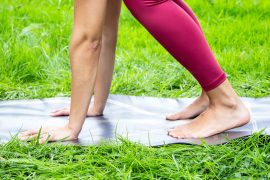
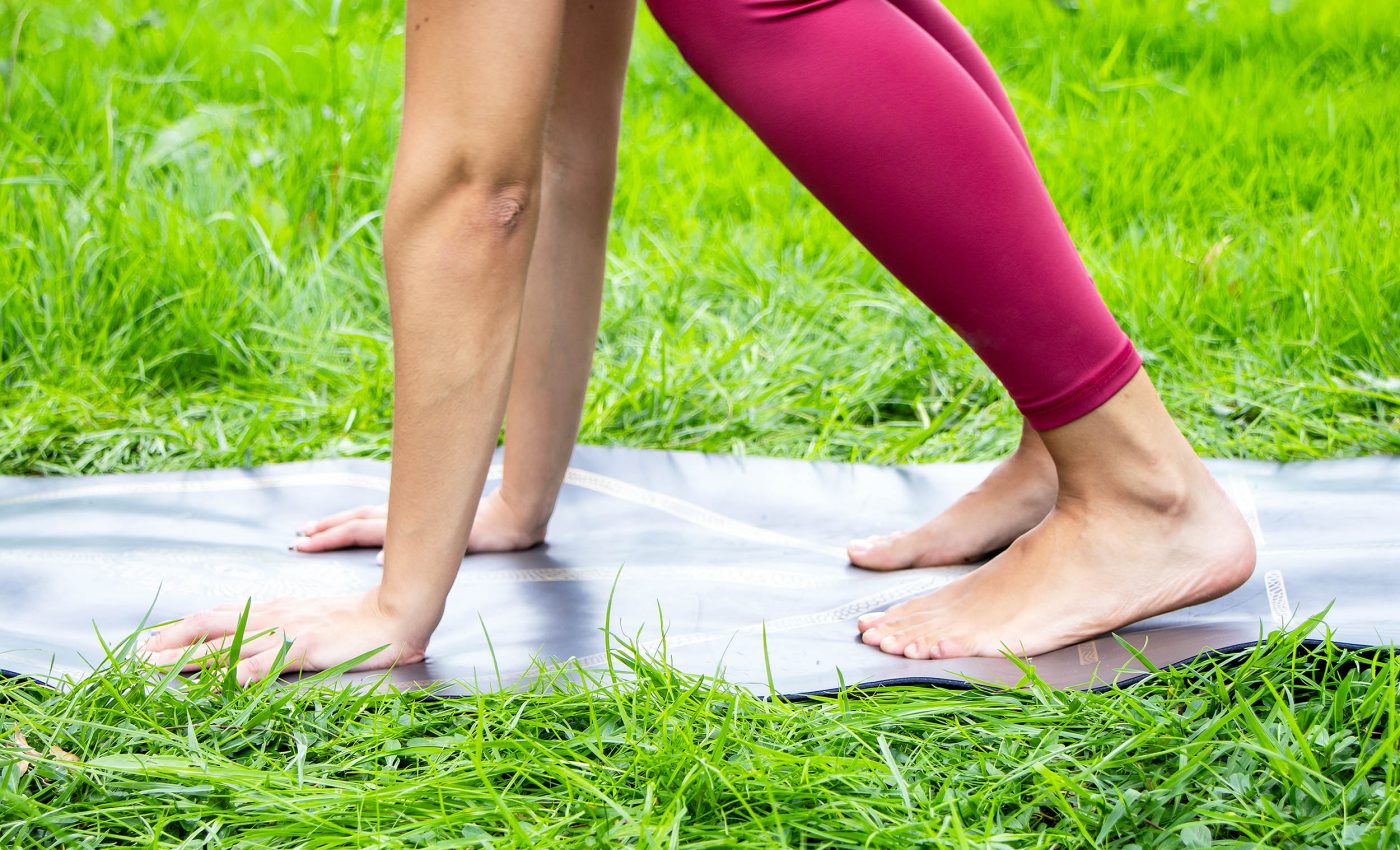
Across all those combinations, one pattern stood out. High-intensity yoga done twice a week, with each session lasting 30 minutes or less over about eight to ten weeks, produced the largest improvements in overall sleep quality scores when compared with other programs.
In a new meta analysis of these trials, that prescription ranked ahead of walking programs, resistance routines, traditional Chinese practices such as tai chi, and other aerobic workouts.
The same analysis found that exercise plans with different settings still helped, but none scored as highly as this short, regular burst of demanding yoga.
What this means for other exercise
Importantly, almost every non yoga exercise program in the analysis still produced better sleep outcomes than doing nothing structured at all.
High-intensity yoga may have sat at the top, yet the broader picture shows that moving in many different ways tends to push sleep quality in a positive direction.
Other big research projects have crowned different winners, which shows how sensitive these rankings are to who is studied and how exercise is prescribed.
One earlier analysis that pooled 58 trials found that intense combined routines that mix aerobic workouts with resistance moves tended to give the biggest boost to sleep quality.
A separate study ranked Pilates as most effective, with aerobic exercise and mixed aerobic plus resistance training again scoring higher than yoga for better sleep.
The fact that different statistical models and trial sets generate different winners is a reminder that exercise science does not yet have a final answer to the question of which workout is best for every sleeper.
Yoga might calms wired brains
High intensity yoga is not just gentle stretching; it raises heart rate, works large muscle groups, and keeps people focused on steady, controlled breathing.
That breath work can stimulate the parasympathetic nervous system, the calming branch of the autonomic nervous system that slows the heart and supports digestion and recovery.
A recent review of breathing practices reported that slow, deliberate breathing shifts the body toward parasympathetic dominance and lowers stress and anxiety levels.
Lower stress makes it easier to fall asleep and stay asleep, so a yoga style that builds breath control and physical effort at the same time may deliver a double benefit.
In people diagnosed with chronic insomnia, a meditative yoga practice called yoga nidra improved both subjective sleep ratings and sleep lab measurements compared with a standard therapy program.
Participants who learned yoga nidra fell asleep faster and showed better sleep efficiency on overnight recordings than they had before training.
In healthy adults without insomnia, another experiment reported that several weeks of yoga nidra changed brain activity patterns on electroencephalogram in ways linked with deeper rest and also improved night time sleep ratings.
Findings like these support the idea that certain yoga practices may nudge both the body and the brain into a state that favors more restorative sleep.
Yoga, sleep, and human health
Even with yoga at the top of this new ranking, the researchers are clear that there is no single exercise prescription that will work best for every person with sleep problems.
Age, existing health conditions, schedule, and personal preference all influence which kind of movement someone can keep doing over the long term.
If yoga is appealing and medically safe, a structured class that feels physically challenging but still manageable, practiced regularly for several weeks, may mirror the programs that performed best in the trials.
Anyone with heart disease, joint problems, or other medical issues should talk with a clinician before starting a demanding routine that includes weight bearing poses or quick transitions.
For others, choosing any form of regular movement that raises the heart rate a bit and can be kept up week after week is likely to support better nights as well as better overall health.
Small changes, such as standing up more during the day, taking stairs when possible, or adding a short walk after dinner, can also help reset a sluggish daily rhythm without feeling overwhelming.
The study is published in Sleep and Biological Rhythms.
—–
Like what you read? Subscribe to our newsletter for engaging articles, exclusive content, and the latest updates.
Check us out on EarthSnap, a free app brought to you by Eric Ralls and Earth.com.
—–