Urban blue spaces quietly feed millions across India’s biggest cities



 Follow Earth on Google
Urban rivers, lakes, wetlands, and canals aren’t just scenery – they are working landscapes that feed and support millions of people.
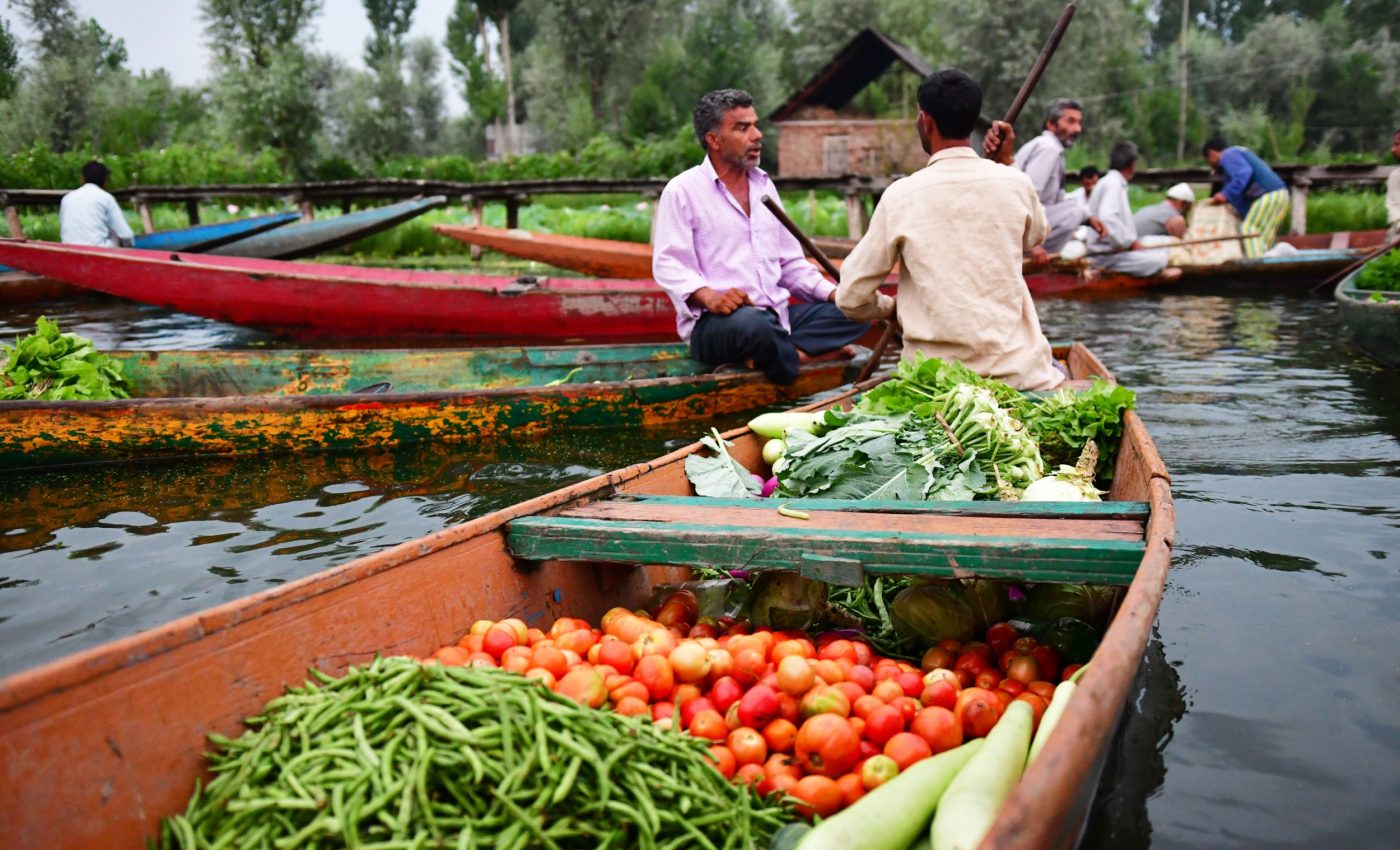
In four of India’s largest cities – Bengaluru, Mumbai, Kochi, and Kolkata – these blue spaces serve as everyday larders and social spaces where residents gather fish, crabs, clams, edible plants, and flowers.

A new study of 1,200 foragers reveals how deep and often invisible this urban food web runs.
The research also makes a pointed argument: if a city cares about food security, equity, and public health, it must care about the water bodies woven through its neighborhoods. These blue spaces aren’t marginal – they are essential.
Who relies on blue spaces
The research team fanned out across “urban blue spaces” and sat down for face-to-face interviews with people who harvest them. They grouped participants as rare, occasional, or frequent foragers to understand patterns of use.
What emerged was a portrait of quiet competence. Women, elders, and marginalized communities were most often the ones collecting, cleaning, cooking, sharing, and sometimes selling their harvests.
Many held paid jobs, yet still relied on what they gleaned to stretch household meals, with surplus passed along to neighbors or traded informally.
Reasons people still forage
Occasional foragers talked about the pull of nature and culture, including rituals, seasonal tastes, and the pleasure of being outdoors.
Frequent foragers emphasized reliable nutrition, small but steady income, and the community ties that form around shared access to water and wild foods.
Those details matter for policy. They show that blue spaces are everyday safety nets, not just weekend amenities.
When the monsoon arrives or prices jump, being able to gather clams from a brackish creek, pick shoreline greens, or scoop small fish from an urban lake can be the difference between a stretched pantry and an empty one.
Hidden value of blue spaces
The findings challenge conventional ideas about urban food foraging. Urban water bodies – lakes, wetlands, and rivers – are not just ecological assets but vital, often overlooked spaces that support nutrition, livelihoods, and well-being for vulnerable communities.
“Despite pollution and long-term degradation, water bodies in Indian cities continue to sustain livelihoods, food practices, and community life,” said Professor Sukanya Basu, who conducted this analysis at the University of Göttingen.
“Future urban planning must move beyond restoring water quality alone and consider how blue spaces can also support sustainable food systems and social inclusion.”
That call to widen the lens is overdue. A lot of “restoration” treats water as a technical problem: clean it, concrete it, fence it.
The research calls for people-centered restoration that keeps access safe and open while honoring local knowledge and cultural traditions.
Food security from water
Urban blue spaces already show up in public health literature as drivers of better outcomes. They cool neighborhoods, support biodiversity, calm traffic with green buffers, and improve mental well-being.
This study adds food security to the list. If a lake is fenced off, a canal is choked with refuse, or a shoreline is privatized, a city doesn’t just lose habitat. It loses protein, minerals, and greens that residents quietly harvest, and it frays the social networks built around sharing and small-scale trading.
The interviews also complicate old assumptions about who benefits. Access to home or community gardens nudged occasional foragers into blue spaces, suggesting that urban agriculture and foraging often reinforce each other.
Meanwhile, frequent foragers leaned hard on blue spaces for nutrition and income, and they framed their work in cultural terms, such as festivals, customary foods, and local recipes that root people where they live.
Building better blue spaces
India’s cities have seen decades of rapid growth, pollution, and land use change. Many rivers, lakes, and drainage channels were narrowed, encroached upon, or turned into fenced parks. Yet foraging persists, even under strain.
That persistence points to a practical path forward. Clean the water, yes, but also design for people: safe foot access, shaded working edges for sorting a catch, communal taps for rinsing, and signage co-created with local communities about seasonal safety.
Pair those design moves with sanitation, monitoring for contamination, and fair, transparent local rules that prevent exclusion.
None of this is charity. It’s good city-building. When planners recognize blue spaces as working landscapes, they unlock a triple benefit: better ecosystems, stronger public health, and fairer food access. That’s the heart of a circular, resilient city.
Blue spaces as lifelines
Although the study centers on India, its message applies anywhere urban waters thread through dense neighborhoods. City blue spaces are not just storm drains, retention basins, or postcard lakes.
They are functional spaces where nutrition, small incomes, and cultural continuity are made, day by day.
“Our findings show that urban blue spaces need to be recognized as precious assets in towns and cities,” said Tobias Plieninger from Göttingen.
The point isn’t to romanticize foraging or to ignore real risks from pollution. It’s to recognize that, in the face of rising costs, climate pressure, and fragmented green space, people are already adapting.
People-centered water policy
Policy should meet them where they are, by improving water quality and access, supporting safe practices, and keeping these commons public and usable.
Urbanization has fragmented many natural habitats, but it has also created mosaics of new niches where ecosystems and people improvise together. Foraging along city waters is one of those improvisations – quiet, practical, and, as this study shows, essential.
Treating blue spaces as the social-ecological assets they are won’t fix every urban food challenge. But it will make cities fairer, healthier, and more resilient.
—–
Like what you read? Subscribe to our newsletter for engaging articles, exclusive content, and the latest updates.
Check us out on EarthSnap, a free app brought to you by Eric Ralls and Earth.com.
—–