When wildfire risk feels close to home, people finally take action


 Follow Earth on Google
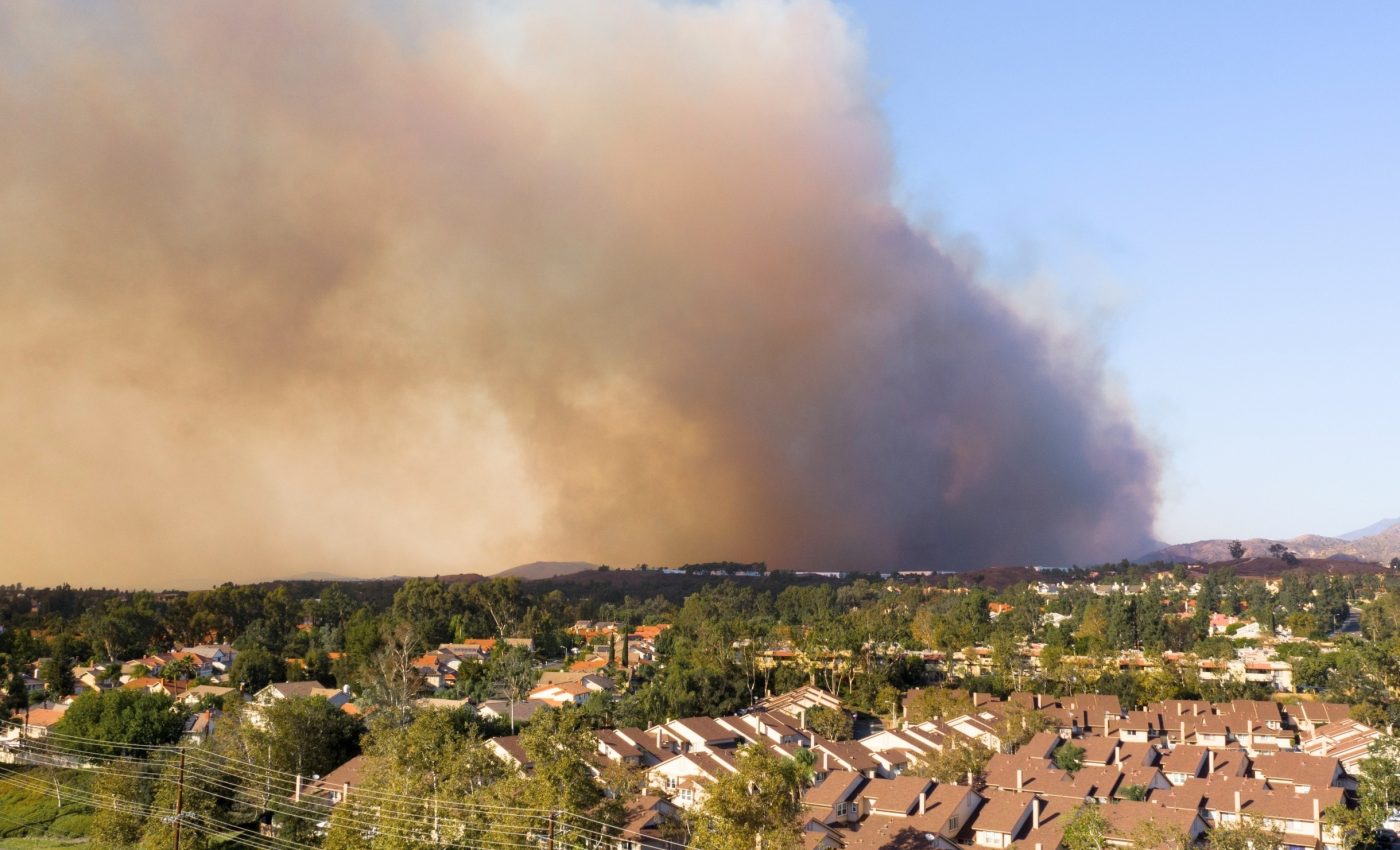
When an email about natural disasters and wildfire risk mentions the name of a local suburb, people pay more attention.
This local wording makes people about twice as likely to open an email link to learn more, according to a new study.

The research, led by Nurit Nobel at the Stockholm School of Economics (SSE), was focused on thousands of homeowners in fire-prone parts of Australia.
Why local cues matter
The study draws on decades of theory about how people judge near versus far risks. If a danger feels far away, that perceived distance can weaken the motivation to act on it.
Local naming can also tap into place attachment, an emotional bond to a specific location. This bond can boost an individual’s protective instincts without scolding or fear.
Many homeowners know wildfires are becoming more intense, yet they often delay simple steps that could reduce damage.
Researchers say part of the problem is how people process uncertainty.
When a threat feels vague, individuals tend to wait for more proof or more urgency – even when small actions today could make a real difference during a severe fire season.
A nudge toward climate action
The researchers partnered with a major bank serving customers in at-risk communities.
Using official bush-fire-prone land mapping, the team identified homeowners living near hazardous vegetation and sent out emails with information about wildfire safety.
The emails were identical except for the header and subject line. A proximal cue, a simple local detail in a message, was the suburb name embedded in the localized version.
The email included basic wildfire housekeeping steps that any homeowner can do safely. These included clearing gutters, trimming lawns, and removing flammable clutter before fire season.
“We know climate threats often feel distant and abstract. This simple localization helped people connect the message to their own lives, and therefore nudged them towards action,” said Nobel.
Messages to convey wildfire risk
Safety messages often compete with crowded inboxes and a steady stream of alerts.
Most people skim, skip, or delete emails without thinking, which means even useful advice rarely gets the attention it deserves.
A message tied to a person’s own location stands out in that noise. It signals relevance in a split second, and that small moment of recognition can be enough to prompt a click that might not have happened otherwise.
Traffic to the information page also rose. Recipients were about 4.8 times more likely to open the link in localized emails.
Why wildfire risk matters today
The U.S. is seeing more costly storms, fires, and floods. NOAA’s billion-dollar disasters database shows the annual count has roughly tripled since the 1980s.
Europe’s fire season is expanding and intensifying. A recent report from the Joint Research Centre states that more than one million hectares burned in 2025, about 2.5 million acres.
Some residents take action as soon as wildfire season approaches, while others wait until smoke is already in the air.
That gap often reflects differences in how urgent people believe the threat is – not differences in actual risk.
Communities facing the same hazard can show wildly different levels of readiness.
When people underestimate their exposure, they tend to rely on hope rather than preparation, which leaves them more vulnerable when conditions turn fast.
Making climate risks feel closer
Small effects can still matter when millions receive a message. A global megastudy found that making climate risks feel closer modestly improved beliefs across 63 countries.
Local cues are cheap to implement and easy to test. Institutions can layer them onto existing campaigns and measure clicks, visits, and completed actions.
Agencies and insurers can personalize subject lines with a town or neighborhood, and then pair that with clear steps a resident can take today.
Communications teams should avoid clutter, use plain language, and time messages before the local high-risk season.
“In real world settings, even modest changes in behavior can have meaningful impact when applied across thousands or even millions of people,” said Michael Hiscox, professor at Harvard University.
The study is published in the journal Nature Human Behaviour.
—–
Like what you read? Subscribe to our newsletter for engaging articles, exclusive content, and the latest updates.
Check us out on EarthSnap, a free app brought to you by Eric Ralls and Earth.com.
—–