Biophobia: How the fear of nature harms public health



 Follow Earth on Google
A new study questions the assumption that people are naturally drawn to nature. Swedish researchers reviewed 196 studies to trace the roots of fear and discomfort toward the natural world.
The review maps how these negative feelings start, how they impact health, and which remedies work.

“Research has long assumed that people fundamentally feel positive emotions toward nature,” said Johan Kjellberg Jensen, a researcher at Lund University who led the study.
The team created a straightforward framework that connects causes, impacts, and possible solutions. It weaves together insights from psychology, medicine, and conservation to make the findings easier to use.
Where fear comes from
The study treats biophobia, fear or disgust of nature, as a product of both inner traits and daily surroundings.
The research shows that health, personality, place, and culture all shape what people avoid or approach.
A key concept is extinction of experience – the steady loss of everyday contact with nature. Less time outdoors weakens skills and comfort, which then makes later encounters feel riskier.
“Urbanization combined with parents’ attitudes can increase negative feelings and perceived danger in nature among children,” said Jensen.
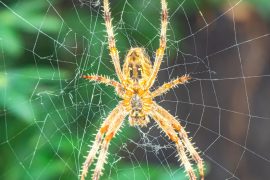
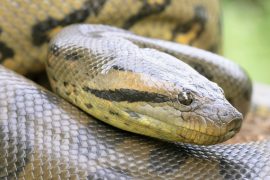
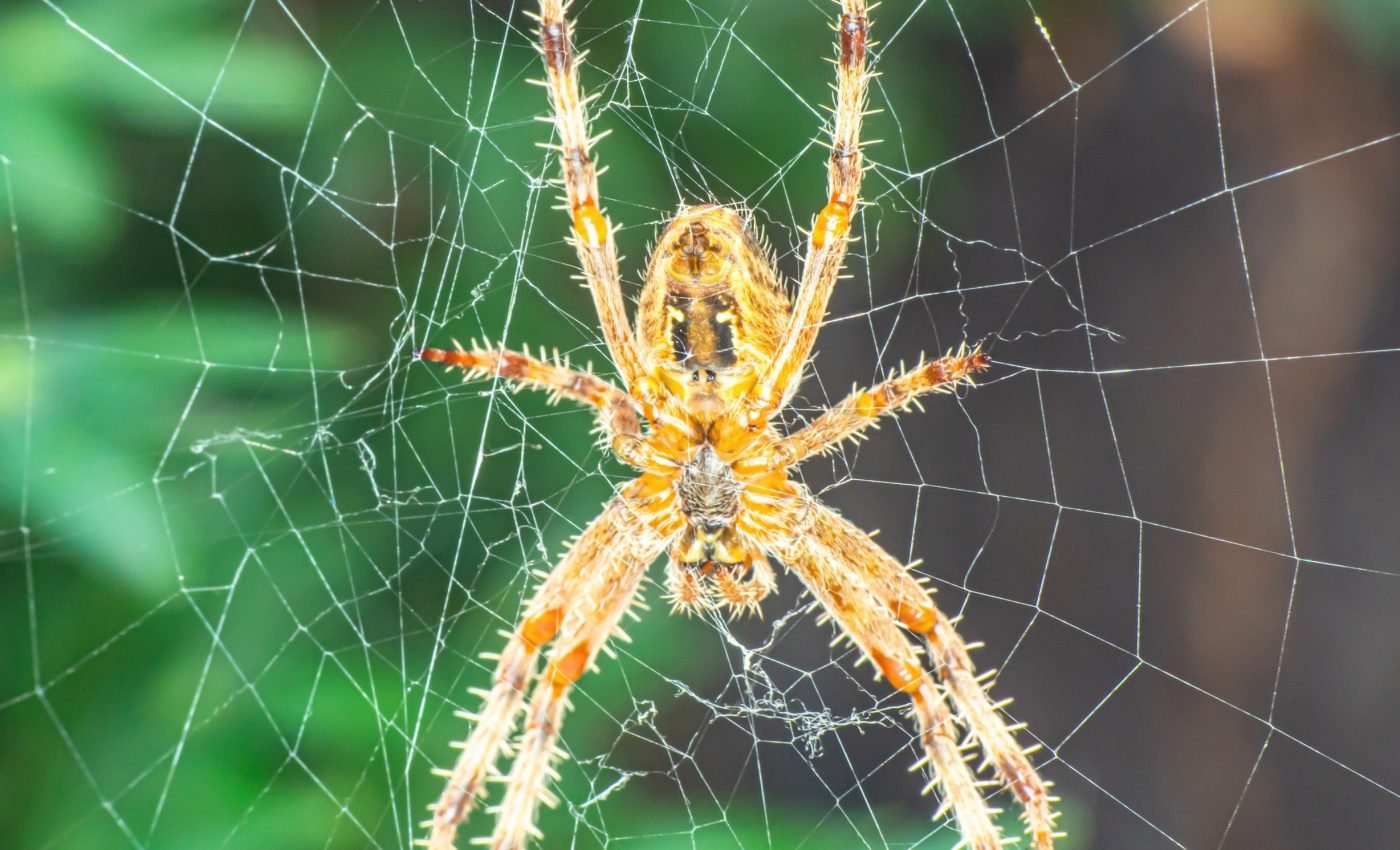
Media stories and online posts also color reactions. Frightening images of spiders, sharks, or wolves can amplify disgust or danger even when the local risk is low.
How biophobia harms health
Regular contact with parks, trees, and diverse species supports mental well-being, attention, and recovery from stress, according to a large analysis. If people back away from nature, those benefits do not land.
Specific phobias are common. In the United States, about 9 percent of adults had a specific phobia in the past year, according to federal statistics.
Attitudes matter because they guide small daily choices that add up. Support for local habitat projects can soften when fear colors the conversation, even when the species at issue pose little risk.
Fears that cluster around animals can spill into daily choices, including where people go, what they teach their kids, and which policies they support.
Those reactions can weaken protection for the living systems that support clean air, water, and food.
Social signals shape fear
People learn how to react to nature by watching those around them. When adults show anxiety toward insects, mud, or wild areas, children often mimic those reactions even without a direct experience of their own.
These early cues can then frame how safe or unsafe nature feels long before any real contact happens.
Neighborhood culture also plays a role. If friends, relatives, or online communities focus on danger or contamination, those messages can grow stronger than personal experience.
This creates a loop where stories shape expectations and expectations steer behavior.
Ways to reduce biophobia
The authors outline three broad approaches: shift the experiences people have, reduce conflict, and improve knowledge.
Clinical exposure therapy, gradually facing a feared animal or place, shows strong evidence for many fears.
Digital tools help when real-life contact is hard. A controlled trial demonstrated that automated virtual reality sessions eased spider phobia as much as therapist-led sessions.
Beyond clinics, city design matters. More street trees, small wetlands, and nature-rich schoolyards give children low-stakes encounters that build skill and ease.
“The phenomenon of biophobia is broad and requires a diverse toolkit. In some cases, it is about increasing knowledge and contact with nature,” said Jensen.
Understanding early-life pathways
Children form emotional patterns toward nature faster than adults, and those early reactions tend to stick.
Many families in cities limit outdoor play, which reduces the number of safe, low-pressure encounters kids have with plants and animals.
These early gaps can heighten sensitivity to unfamiliar species later in life. Schools can shape these pathways in practical ways.
Small design choices, like keeping natural play areas or adding simple nature-based activities, can build comfort without making nature feel forced or intimidating.
What researchers still need to learn
The review flags thin evidence on changes over time. Few studies use a longitudinal study so trend lines remain fuzzy.
Culture is another gap. Biophobia looks different across regions, folk stories, and species communities, and those differences can steer what works.
Better tools would help. Surveys that only ask about positive feelings can miss hostile emotions, so adding direct questions about fear and disgust will draw a truer map.
Treating biophobia as a design problem offers a clear path forward. By weaving safe, everyday contact with nature into our neighborhoods – and minimizing conflict where risky wildlife and people meet – we can rebuild comfort and connection.
The study is published in the journal Frontiers in Ecology and the Environment.
—–
Like what you read? Subscribe to our newsletter for engaging articles, exclusive content, and the latest updates.
Check us out on EarthSnap, a free app brought to you by Eric Ralls and Earth.com.
—–