Deadly disease that can damage the heart for years with no symptoms is spreading in the US



 Follow Earth on Google
California health officials have confirmed infections with Chagas disease, a parasitic infection that can slowly damage the heart.
The World Health Organization (WHO) estimates that about seven million people worldwide carry the parasite and roughly 10,000 die each year.

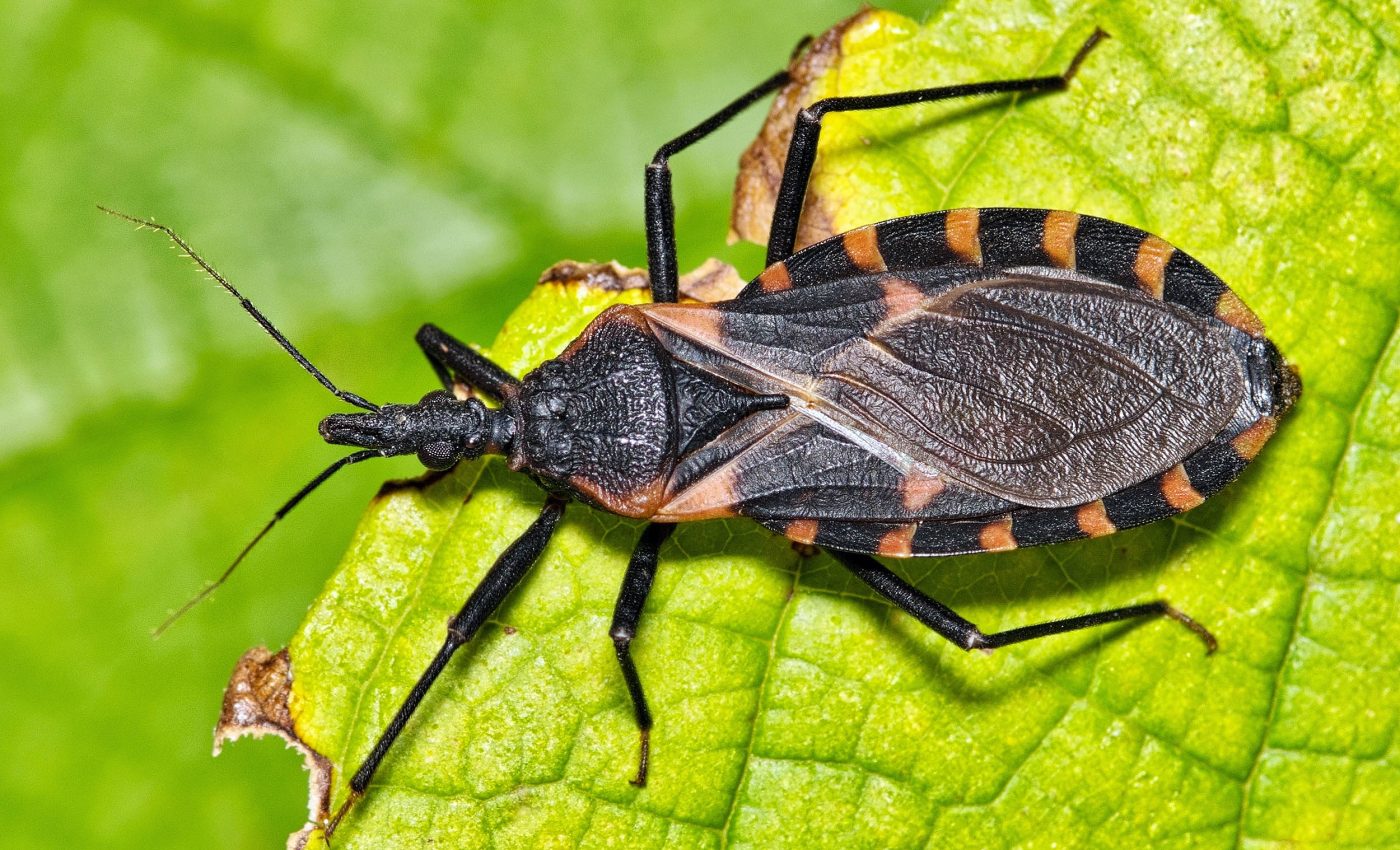
Most cases occur in Latin America. Yet triatomine insects – blood-sucking bugs that feed on people at night – now live across the United States, including parts of California.
Several species in this region already carry the parasite, including many wild and domestic animals.
Chagas disease in California
In Los Angeles and San Diego, testing has found kissing bugs carrying the parasite, so workers worry insects could reach the Bay Area.
“Chronic Chagas can be dangerous,” said Dr. Monica Gandhi, an infectious disease specialist at the University of California, San Francisco (UCSF).
A review of California data from 2013 to 2023 found that 28 percent of tested kissing bugs carried the parasite.
None of those infected insects were linked to confirmed human cases during that time. Though San Francisco health officials report no signs of increased Chagas disease activity in the city, the need for awareness among residents and clinicians is high.
“Once the bug is here, and it’s in these bugs… it can spread quick,” said Dr. Gandhi, who fears it’s spreading in Northern California.
Kissing bugs spread the parasite
Chagas disease is driven by Trypanosoma cruzi, a microscopic parasite that lives in blood and muscle tissue. The organism cycles between animals, insects, and people, moving wherever those kissing bugs feed.
When a kissing bug feeds, it sucks blood until it is full, then often leaves parasite-laced droppings near the bite. People become infected when they accidentally rub the droppings into the bite, the eye, or the mouth.
Other ways Chagas disease spreads
Chagas disease can also spread through contaminated blood transfusions, transplanted organs, and from a pregnant person to a baby before or during birth.
Because of those routes, health systems in affected regions screen blood donors and may test organ donors and recipients to block hospital-based transmission.
Wild animals like opossums and raccoons can carry the parasite without being noticed, giving kissing bugs plenty of chances to pick it up.
Dogs can also become infected, which matters because they often sleep close to people and may bring the bugs into yards or houses.
Chagas’ hidden early phase
After infection, there is an early acute phase, a short early burst of infection, that lasts for weeks or a few months.
Many people feel nothing during this time, while others may have fever, tiredness, or a swollen eyelid that doctors call Romana’s sign. Years after infection, the parasite can settle into a chronic phase, a long silent stage of infection.
People have no symptoms during this stage, even as tissues stay infected and the parasite affects the heart and parts of the digestive system.
Serious complications over time
A World Heart Federation summary notes that about one-third of people with the infection eventually develop serious heart or digestive problems.
In these patients, heart muscle scarring can disrupt the electrical system, trigger irregular rhythms, and strain the digestive tract, so swallowing becomes difficult.
Some people with longstanding infection eventually need pacemakers or surgery to keep their hearts working well.
Others cope with trouble swallowing or severe constipation that can make everyday meals and routines difficult.
Hidden toll of missed diagnoses
Experts classify Chagas disease as a neglected tropical disease, an infection that hits poorer communities and often receives little attention.
Many people live for years with no symptoms or only mild complaints, so the infection can slip past doctors until the damage is severe.
In the United States, officials know that hundreds of thousands of people, many originally from Latin America, are infected but most never get diagnosed.
Recent national estimates suggest around 280,000 people may carry the parasite here, yet blood tests and routine checkups rarely look for it.
Surveys show that many U.S. doctors lack training on Chagas disease, which leads them to miss who needs testing.
That gap puts immigrants, pregnant patients, and blood donors at risk because clinics often fail to build screening programs into their workflows.
How California treats Chagas
At UCSF, Dr. Gandhi’s clinic screens immigrants from regions where Chagas is common, using blood tests that look for antibodies.
She points out that clinics in endemic regions screen routinely for Chagas disease, yet many in California overlook it even with documented infections.
Two antiparasitic medicines, drugs that kill or weaken parasites, benznidazole and nifurtimox, work best when treatment starts early in the acute phase.
In older adults, treatment can take weeks and may cause side effects, so doctors often weigh benefits against risks for each patient.
Lessons from Chagas disease spread
People can lower their risk by sealing wall cracks, fixing window screens, and keeping beds away from rodent nests where kissing bugs may live.
California officials say local kissing bugs rarely defecate while feeding on people, which helps keep infection risk low.
People who live or camp in rural foothills or mountains should pay attention to eyelid swelling that appears soon after a bug bite.
Better awareness among residents and clinicians in California can help catch infections early, protect the heart with timely treatment, and prevent more deaths.
Image credits: Elmer Martinez/AFP.
—–
Like what you read? Subscribe to our newsletter for engaging articles, exclusive content, and the latest updates.
Check us out on EarthSnap, a free app brought to you by Eric Ralls and Earth.com.
—–