Hidden salt shortages are changing animal behavior in Africa



 Follow Earth on Google
Across multiple sites in sub-Saharan Africa, researchers have identified a relationship between large herbivores and the amount of sodium available in local plants.
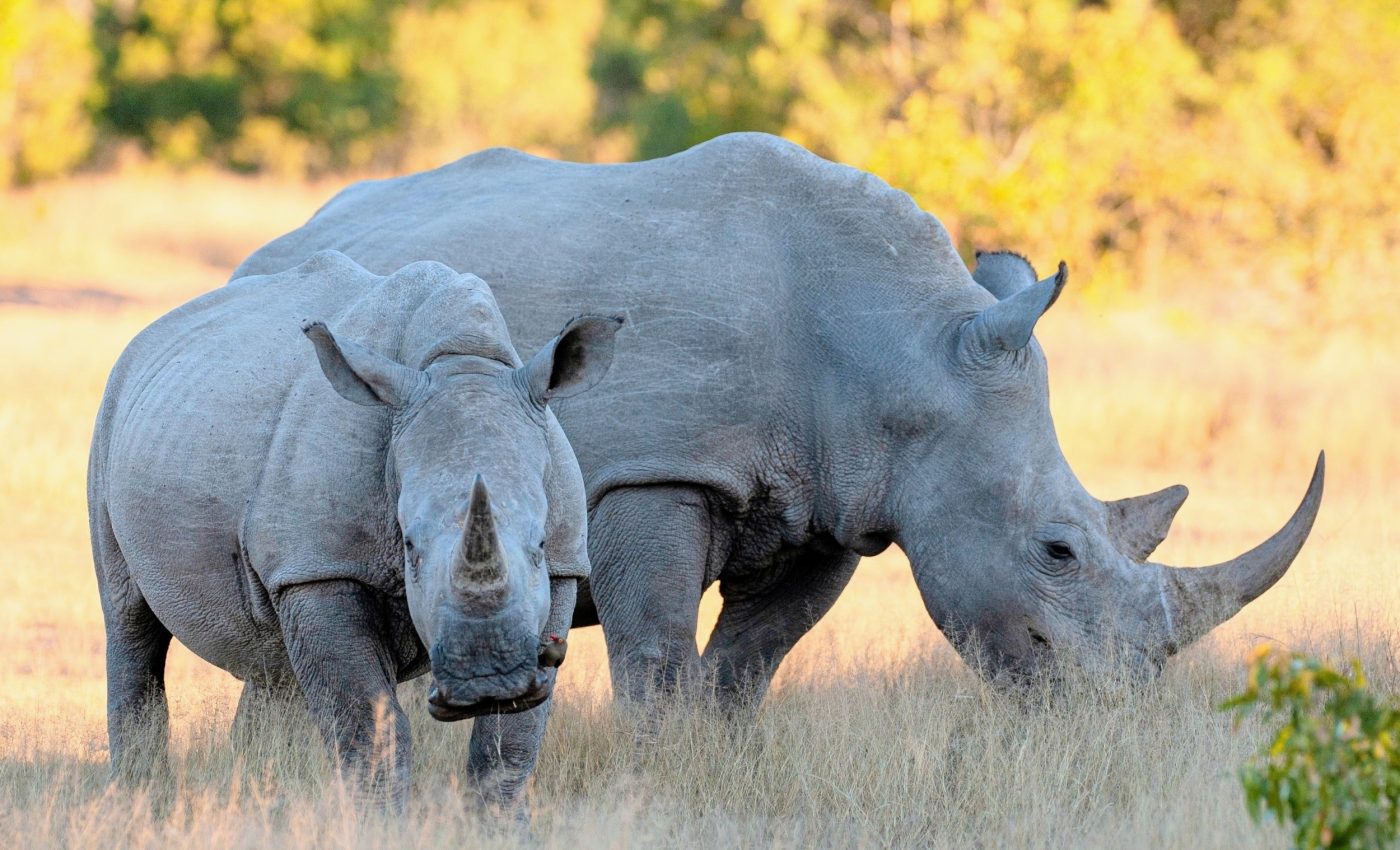
According to the study, plant sodium availability spans a 1,000-fold range across sub-Saharan Africa for large herbivores such as elephants, giraffes, rhinos.

The team compared plant sodium levels with animal counts and with results of fecal analyses. When plants run low, the largest herbivores face shortages that can influence habitat choice and risky travel routes.
Salt shapes diet needs of animals
Sodium acts as an electrolyte, a charged mineral that moves signals in body fluids and tissues during movement and rest.
Muscles, nerves, and kidneys use it constantly, so grazing animals need fresh sodium every day from food or water sources.
The work was led by Andrew J. Abraham at Northern Arizona University (NAU), and he studies how minerals steer wildlife across landscapes.
Abraham’s research tracks where animals find key nutrients, and how those searches intersect with land use and conservation policy.
Uneven salt supply
Sodium is essential for animals, yet most plants can grow without it in their cells or sap. Near coasts, sea spray in the air and salty groundwater can raise sodium in leaves, while heavy rains can wash it away inland.
Dry basins, river floodplains, and certain rocks can create small sodium hotspots that animals learn to revisit season after season.
This patchy supply means a landscape can look lush but still fail to meet the mineral needs of giants over time.
Thousands of plant samples
To map sodium in forage, the team compiled thousands of plant samples from many regions and used computer models to fill gaps.
They paired those maps with wildlife census records, so each protected area had both plant chemistry and animal numbers over time. Feces offered a reality check because sodium that is missing in the diet leaves a clear signature in waste.
When droppings showed low sodium, it usually matched low-sodium plants nearby, tying diet quality to geography for each herd.
Large herbivores need salt
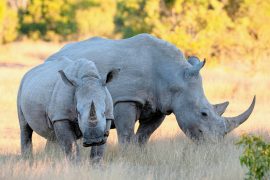
The pattern was strongest in megaherbivores, plant-eaters over about 2,200 pounds, which have big bodies to maintain every single day.
A larger animal needs more sodium for blood volume and nerve function, yet it may not eat enough leaves in one area.
Pregnancy and nursing can push sodium demand higher, so females may be the first to feel a shortage during dry spells.
Why does a giant herbivore care about sodium more than a smaller antelope does in practice, on the ground?
How animals cope with salt shortages
Some herbivores practice geophagy, eating soil to get minerals, when plants alone cannot cover their sodium needs.
Many animals visit natural salt licks, places where minerals collect on the ground, and they may wait their turn, trade shoves, and expose themselves to predators while they feed in the open.
Those sodium trips may pull herds across farms and roads, so the search for salt can raise human tension fast.
Plants without enough sodium
West Africa holds rich forests and savannas, yet some of its biggest herbivores appear in lower numbers than expected in many surveys.
The new analysis suggests many West African plants provide too little sodium, which may cap populations before hunting even begins there.
Low soil fertility and habitat loss still matter, but mineral shortages could make recovery harder after any decline begins.
If salt sources lie far apart, a herd may need long corridors to move without crossing high-risk human areas at night.
Salt shortages affect ecosystems
Megaherbivores act as ecosystem engineers, animals that physically reshape habitats, by knocking down trees and opening paths for others.
Their dung and urine move nutrients across miles, and their feeding can limit brush that fuels intense fires during drought years.
When giants thin out, smaller grazers may increase, but they do not topple trees or dig waterholes the same way alone.
Because plants reflect local salt inputs, sodium can shape which animals dominate, and this shapes the landscape in return.
Humans shape the salt supply
Humans concentrate salt at wells, livestock licks, and winter roads, creating tempting patches inside otherwise low-sodium regions for wildlife.
Animals following those patches can end up near crops, towns, or traffic, and conflicts rise when people feel threatened more often.
One study linked roadside salt pools to higher moose use near highways in eastern Canada. Moving salt storage, draining pools, or changing plowing practices can reduce attraction, but solutions must fit local weather and budgets each year.
Monitoring salt can support animals
Salt maps can help planners predict where elephants and rhinos may travel, and where new fences could block them suddenly.
Protected areas in low-sodium zones may need wider buffer lands, so animals can reach natural licks without leaving safety too often.
Adding salt can support animals, but it may also crowd them together, spread disease, and damage nearby vegetation fast.
Monitoring droppings for minerals could offer an early warning, since nutrition often changes before population counts drop sharply.
Sodium changes and animal responses
The researchers note that some parts of Africa still lack plant sampling, so maps improve as new field data arrive steadily.
Sodium in leaves can change with seasons and soils, and lab methods differ, so trends matter more than exact numbers alone.
As climate patterns alter wind and rainfall, salt delivery may also change, and animals could respond in unexpected ways quickly.
Better tracking collars, improved soil surveys, and more dung testing can turn this mineral story into practical forecasts for managers.
The study is published in the journal Nature Ecology & Evolution.
—–
Like what you read? Subscribe to our newsletter for engaging articles, exclusive content, and the latest updates.
Check us out on EarthSnap, a free app brought to you by Eric Ralls and Earth.com.
—–