Microplastics may be warping decades of ocean carbon records



 Follow Earth on Google
A small lab mistake can ripple across ocean science. When tiny plastic particles slip into samples, they burn like organic matter and show up as natural carbon.
That kind of mix-up matters on a global scale. Scientists at Stony Brook University report that even one percent plastic by mass can tilt key carbon measurements across the ocean.
The work was led by Luis E. Medina Faull, an assistant professor at Stony Brook University. His research focuses on ocean biogeochemistry, how life and chemistry move carbon through seawater.

Carbon numbers guide models that project warming, sea level, and oxygen loss. If plastics inflate those numbers, the ocean can look older, more sluggish, and less responsive than it really is.
How plastic shifts ocean carbon
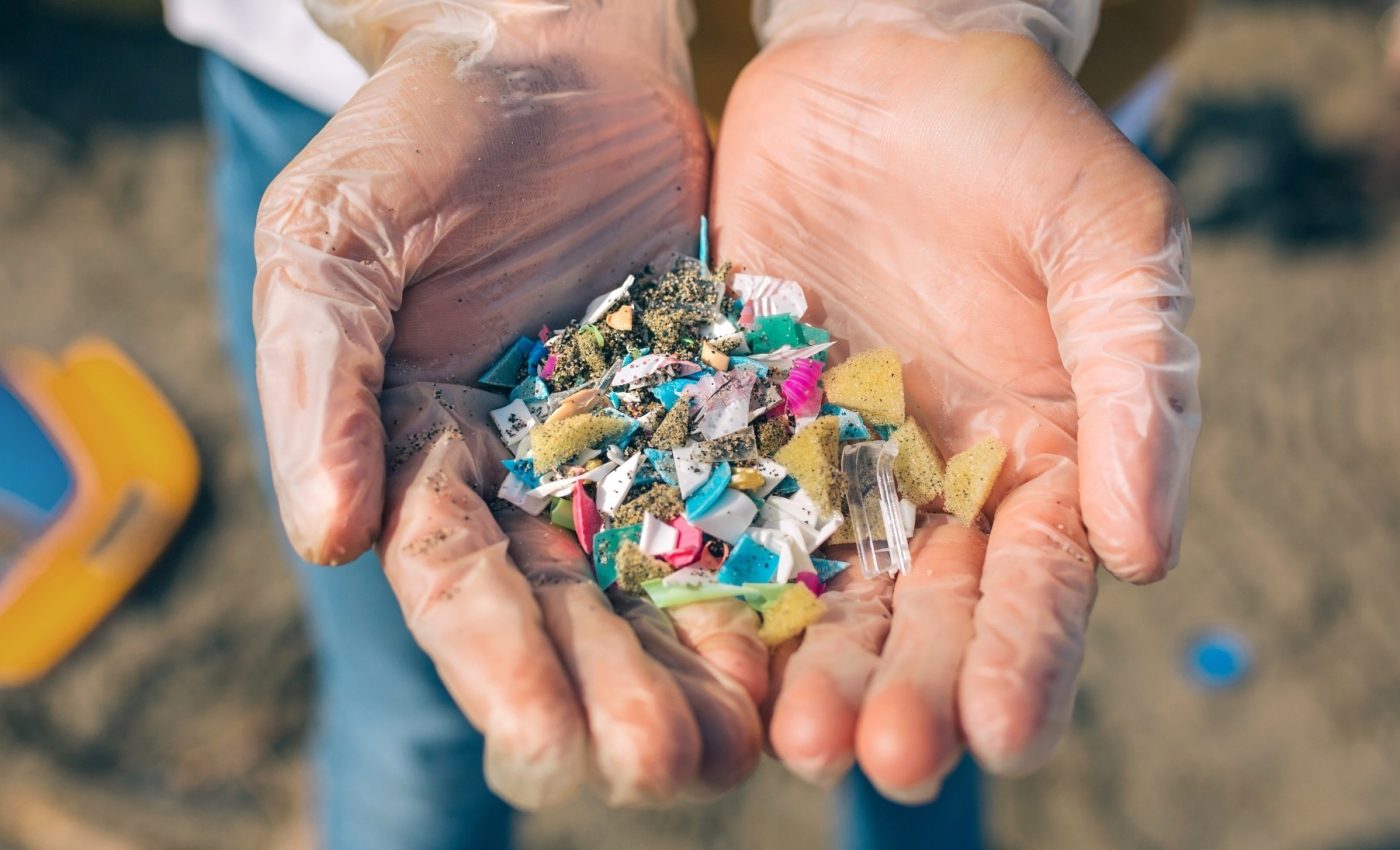
In controlled tests mixing plastic fragments with natural sediment, the team found that just one percent polyethylene by mass can contribute about 40 percent of the carbon detected.
That same sliver can make a sample look about 4,000 years older by radiocarbon dating. In other words, a little plastic can make young carbon read as ancient.
Most labs rely on elemental analysis, a standard method that burns a sample to carbon dioxide to count its carbon and nitrogen. Plastics burn too, so their carbon becomes indistinguishable in that gas stream.
Many studies then add radiocarbon, a radioactive form of carbon used to estimate the age of organic matter, to sort sources by time.
Standard National Ocean Sciences Accelerator Mass Spectrometer (NOSAMS) procedures explain how carbon dioxide is turned into graphite and counted with accelerator mass spectrometry.
Decades of biased records
The overlap happens because plastics are loaded with carbon and lack radiocarbon, being made from fossil fuels that lost their carbon-14 (14C), a rare radioactive form of carbon long ago.
Even a trace of plastic in seawater particles, river mud, or filters can change the results, making the carbon look older and more abundant than it really is.
The authors show that the effect increases predictably with contamination level and polymer type. That’s helpful – but it also means unnoticed plastic can quietly skew decades of data.
How plastic enters ocean sampling
Particulate organic carbon – found in tiny natural particles drifting in seawater – is collected on filters, bottled, shipped, and processed. Along the way, stray polyester fibers or flecks from plastic tools can fall into the mix.
Global reporting by the United Nations shows that microplastics are widespread in surface waters, sediments, and even polar snow. That report documents their reach from rivers to the deep sea.
Researchers point out that contamination does not always start in the field. It can begin in storage rooms where samples sit near common plastics used for containers, bags, and lids. These materials shed flecks that are too small to see with the naked eye.
Fieldwork also introduces risks. Crews often wear synthetic jackets and gloves, and each item can release fibers during sampling. Those small fibers drift easily, which raises the odds that they settle onto open bottles or filters.
Contamination risks in the lab
Back in the lab, ventilation systems can move airborne particles across work areas. Technicians may not notice these particles, but they settle onto tools and trays.
When samples are opened for processing, any stray speck nearby becomes a potential source of error.
Even washing steps are not fully safe. Some tap and laboratory water sources contain suspended microplastics from local infrastructure.
If cleaning steps rely on this water without additional filtration, they can unintentionally introduce the same contaminants the research aims to measure.
Improving ocean carbon measurements
To reduce errors in the lab, the solution starts with basics: ditch plastic gear for glass or metal, opt for cotton lab coats, pre-combust filters, and inspect samples microscopically before testing.
“Our results underscore the need to re-evaluate best practices for processing organic matter samples for carbon analysis,” wrote Faull.
This discovery doesn’t diminish the ocean’s role in buffering the climate – it strengthens our ability to measure it.
With better protocols, scientists can clean up noisy datasets and sharpen the models that reveal how much carbon the ocean can absorb, store, and move.
The study is published in the journal PLOS ONE.
—–
Like what you read? Subscribe to our newsletter for engaging articles, exclusive content, and the latest updates.
Check us out on EarthSnap, a free app brought to you by Eric Ralls and Earth.com.
—–