One of the biggest nickel deposits on the planet is found in Africa



 Follow Earth on Google
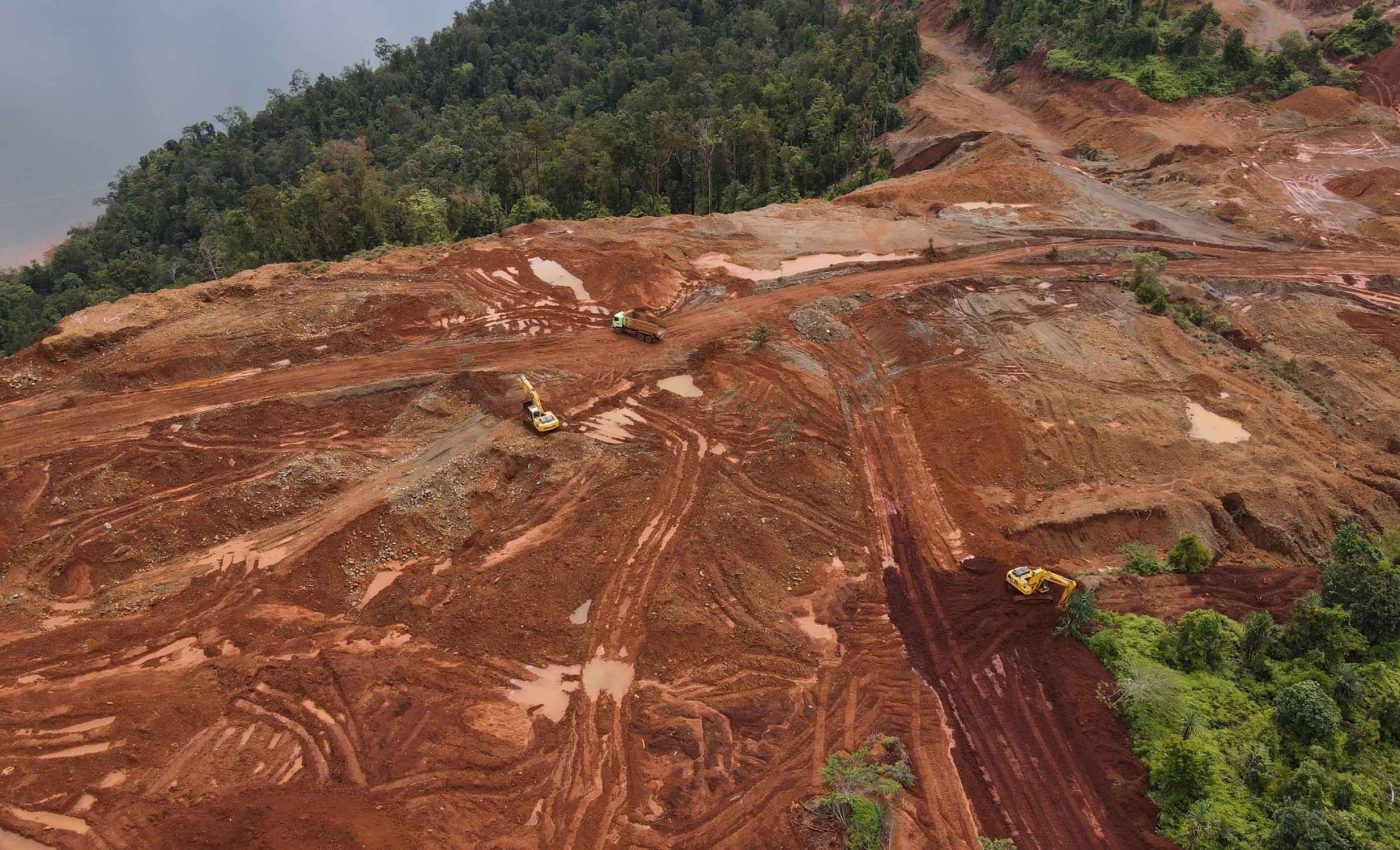
Beneath a remote corner of northwestern Tanzania, the Kabanga deposit holds roughly 64 million short tons of nickel ore. As electric vehicles push demand for battery metals, Tanzania wants buried wealth to power jobs, businesses, and services at home.
The work was led by Jambo Hamisi Ramadhani, a policy researcher studying how mining reshapes economies and communities in Tanzania. He is a PhD student in Global Human Development at University College Dublin.

One regional study estimates Kabanga at 58 million metric tons of ore containing about 2.6 percent nickel.
Kabanga lies within the East African Nickel Belt, a region where intrusions host several major nickel deposits.
Because Kabanga is both large and high-grade, even a single developed mine there could influence battery supply chains.
Kabanga and Kapalagulu geology
Kabanga is a classic nickel sulphide deposit, ore where nickel binds with sulphur-rich minerals deep underground.
Farther south, the Kapalagulu intrusion carries both nickel sulphide ore and laterite, deeply weathered rock where metals collect near the surface.
At Kapalagulu, lateritic horizons also hold cobalt and other metals that could feed future battery and alloy production.
Sections of that intrusion carry platinum group elements, rare metals like palladium and platinum that often accompany nickel sulphide ore.
Importance of nickel for batteries
Nickel-rich lithium-ion batteries, rechargeable cells used in electric vehicles and laptops, store more energy without making packs heavy.
High-grade sulphide ore like Kabanga’s can reduce energy use and emissions per pound of nickel compared with lower-grade deposits.
Despite this potential, the East African Nickel Belt remains largely undeveloped, because mines are far from ports and reliable power.
The result is a multimillion-dollar resource that matters for Tanzania’s budget and for countries betting on electric transport.
Tanzania’s nickel rules
For years, Tanzanians complained that foreign firms exported minerals while leaving too few jobs, contracts, and lasting improvements behind.
In response, the government introduced local content regulations, rules that link foreign mines to Tanzanian jobs and businesses.
A UN investment analysis says joint venture suppliers must include indigenous Tanzanian companies, firms majority-owned and managed by Tanzanian citizens.
The same framework gives first priority to Tanzanian workers, banks, insurers, and law firms whenever mines purchase services or fill positions.
How those rules work in practice
In practice, local content provisions sit alongside traditional mining licenses, and companies must submit detailed plans showing how they will comply.
Those plans cover targets for Tanzanian employment at various job levels, plus timelines for replacing expatriate staff as local skills grow.
Companies must also list preferred Tanzanian-licensed suppliers, local firms formally approved to supply goods and services.
Many contracts include corporate social responsibility obligations, expectations that companies help fund local services and community development.
What the case study mine tells us
To see how these ideas translate on the ground, researchers examined one large foreign-owned mine in a detailed working paper.
They tracked how hiring, salaries, and supplier spending changed between 2018 and 2020 as the company adapted to the new framework.
In that case, Tanzanian nationals already held nearly all direct jobs, ranging from drivers and equipment operators to supervisors and technicians. Company employment was as high as 98 per cent, according to Ramadhani.
The authors also found that Tanzanian workers’ share of total wages increased over the same period, as did purchases from local suppliers.
Communities still feel overlooked
Even with those promising numbers, residents near major mines often say they see little lasting change in their daily lives.
A civil society briefing argues that local content policies have not yet delivered broad, community-level gains from Tanzania’s mining boom.
Researchers highlight that many local firms lack access to affordable credit, specialized equipment, and certifications needed to compete for large mining contracts.
Communities point to uneven investments in schools, clinics, and water systems, especially when projects appear to prioritize mine infrastructure over local needs.
Skills and training as the missing link
A persistent obstacle is the shortage of workers with advanced technical skills in mining engineering, metallurgy, geology, and heavy equipment maintenance.
Companies say they can usually hire Tanzanians for entry-level roles, yet still depend on expatriates for specialist underground and processing jobs.
That pattern feeds resentment when local graduates see overseas experts brought in for high-paying roles that seem out of reach.
Closing the gap will likely require expanded vocational training, practical programs that teach job-ready skills demanded by mining employers.
Tanzanian nickel suppliers
For local contractors, nickel projects promise big orders for transport, engineering, construction, and catering, but also expose them to global competition.
Banks often see heavy machinery or trucking fleets as risky collateral, making it hard for smaller Tanzanian firms to borrow.
Meeting strict safety, environmental, and quality standards can be expensive, especially for businesses that have never worked with multinational mining companies before.
Without targeted support, local suppliers may end up confined to low-margin subcontracting, while profitable engineering and processing work stays overseas.
Lessons from Tanzania’s nickel
Kabanga’s future will depend on how well Tanzania balances investor concerns about cost and risk with public expectations for local benefits.
If the project eventually reaches production with strong local hiring, supplier development, and transparent community investments, it could guide other countries.
If, instead, investment stalls or benefits appear concentrated among an elite, the nickel may stay underground while global demand accelerates elsewhere.
That is why policy makers, mining companies, local communities, and electric vehicle manufacturers are watching Tanzania’s multimillion-dollar treasure so closely.
—–
Like what you read? Subscribe to our newsletter for engaging articles, exclusive content, and the latest updates.
Check us out on EarthSnap, a free app brought to you by Eric Ralls and Earth.com.
—–