Seabirds reveal that forever chemicals have reached the most remote ecosystems



 Follow Earth on Google
Faraway oceans feel protected from human pollution, but new research challenges that idea. Seabirds living near Antarctica carry man-made chemicals that resist breakdown for many years.
Such chemicals travel across oceans and air, reaching places far from factories and cities. Research on seabirds from the Southern Ocean shows how widespread chemical pollution has become.

Understanding pollution in such remote regions matters because marine life supports global food webs. Changes in remote ecosystems often signal deeper environmental problems.
What are forever chemicals?
Forever chemicals are called per and polyfluoroalkyl substances, or PFAS. The chemicals appear in many products such as non stick pans, stain-resistant fabrics, food wrappers, and firefighting foam.
Strong chemical bonds give PFAS resistance to heat and water. Such strength also causes persistence in soil, water, and living bodies.
Some PFAS enter animals through food. Proteins inside organs such as liver attract PFAS, causing slow build up over time.
Scientific studies link PFAS exposure with harm to immune systems, hormone balance, and growth in animals.
Because of such risks, global rules ban or limit certain PFAS. Replacement chemicals entered markets after bans, yet detection of newer compounds now raises fresh concern.
Forever chemicals accumulate in seabirds
Seabirds sit near the top of marine food webs, with diets that include fish, squid, and small marine animals.
Pollution present in water and prey accumulates inside seabird bodies. For such reasons, seabirds act as living indicators of ocean health.
PFAS behave differently from older pollutants such as oil based chemicals. Instead of collecting in fat, PFAS attach to proteins inside the body.
For this reason, liver tissue offers a clear view of long term chemical exposure. Studying PFAS levels in seabird livers allows scientists to track how pollution spreads across vast ocean regions.
The Southern Ocean study
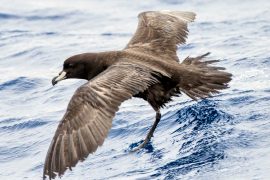
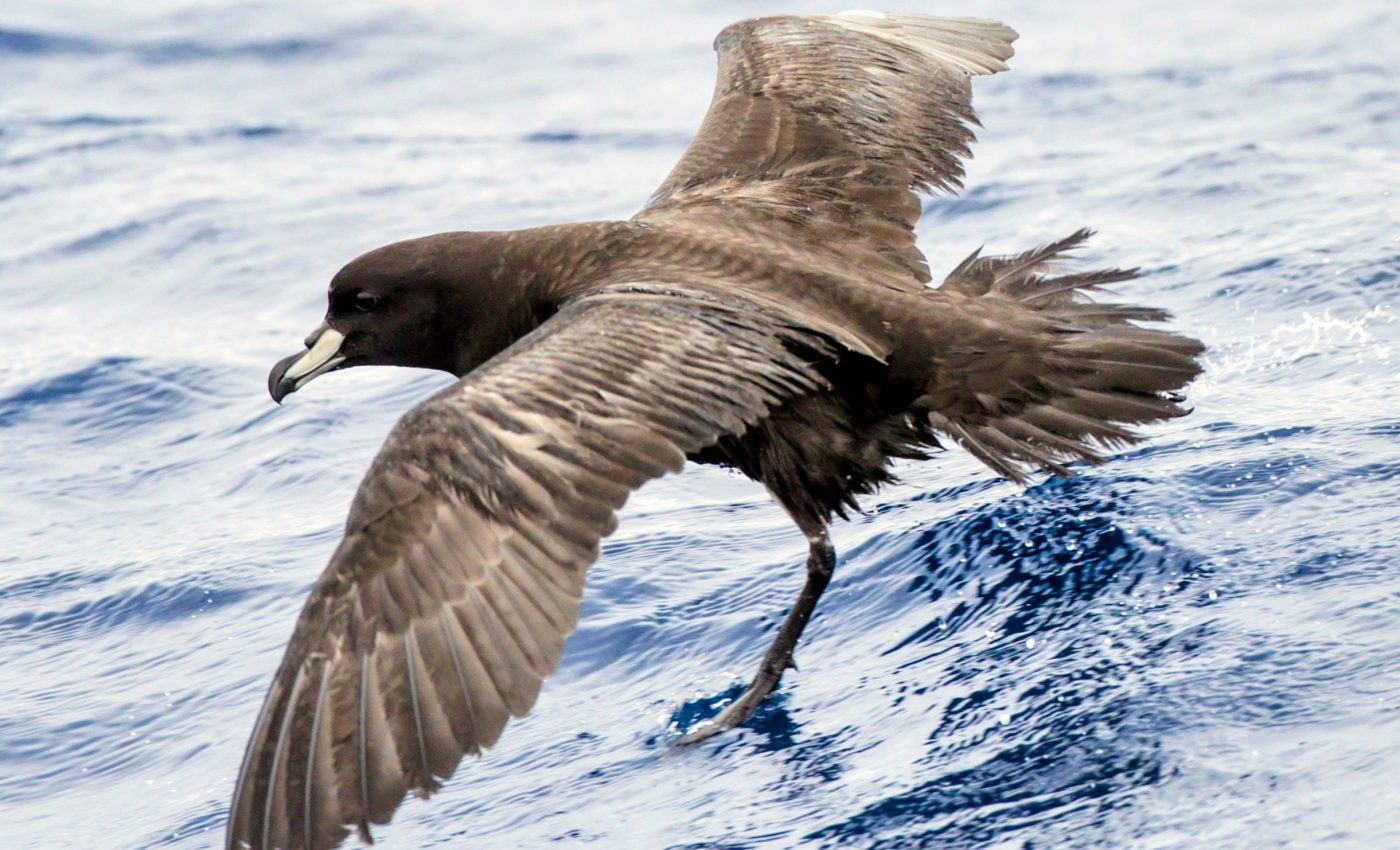
Scientists analyzed liver tissue from black-browed albatrosses, white-chinned petrels, and common diving petrels.
The birds came from fishing accidents near the Falkland Islands and South Georgia between 2004 and 2014. The team tested the samples for nearly 40 PFAS compounds.
The results showed 22 PFAS compounds inside bird livers. Such findings include first ever PFAS measurements for common diving petrels and white-chinned petrels.
Chemical amounts varied between species and years, yet the overall chemical patterns looked similar across samples.
What the chemical patterns reveal
In most liver samples, PFOS – a compound banned long ago – dominated the chemical profile, making up about four-fifths of all detected PFAS.
Long chain perfluoroalkyl carboxylic acids formed most remaining amounts. Such consistency suggests common pollution sources across large ocean regions.
Chemical fingerprints matched PFAS mixtures found in South Atlantic seawater. Such evidence supports long range transport through air and ocean currents.
Neutral PFAS precursors travel through air, later changing into stable acids after contact with water. Ocean currents also move dissolved PFAS across continents.
Even birds with different diets and travel routes showed similar chemical profiles. Such similarity suggests widespread background pollution rather than local sources alone.
Differences between bird species
Total PFAS levels varied between bird species. Common diving petrels carried the lowest amounts, while white-chinned petrels showed the highest average levels. Feeding behavior helps explain these differences.
Common diving petrels mainly eat small plankton near South Georgia and sit lower in the marine food chain.
White-chinned petrels and albatrosses feed on larger prey and cover much wider ocean areas, which increases exposure to pollutants.
Migration adds another layer of exposure. Many seabirds spend part of life cycles feeding near South America. Coastal waters near South America contain higher PFAS levels than many Antarctic waters.
Pollution from farming, cities, and industrial activity enters the ocean through rivers and air, and then moves south through ocean currents and atmospheric transport.
Replacement chemicals raise new concerns
The analysis detected replacement chemicals such as HFPO DA and ADONA in some birds. Such compounds entered markets as alternatives to banned PFAS.
Scientific evidence suggests some replacements persist in nature and may cause harm equal to or greater than older chemicals. Detection in remote seabirds shows replacement chemicals already spread across global systems.
Short chain PFAS also appeared in samples. Short chain types were once considered safer due to faster movement through bodies. New evidence suggests repeated exposure still causes accumulation.
Forever chemicals threaten seabirds
The research highlights the limits of banning chemicals one by one. When one PFAS leaves markets, another often replaces it – allowing continued pollution of oceans and wildlife. Broad group restrictions may offer stronger protection for ecosystems.
Monitoring remote wildlife remains vital. Seabirds provide early warning signs for chemical spread across oceans.
Continued research can guide future policy and help protect fragile marine environments.
The study is published in the journal ACS Environmental Au.
—–
Like what you read? Subscribe to our newsletter for engaging articles, exclusive content, and the latest updates.
Check us out on EarthSnap, a free app brought to you by Eric Ralls and Earth.com.
—–