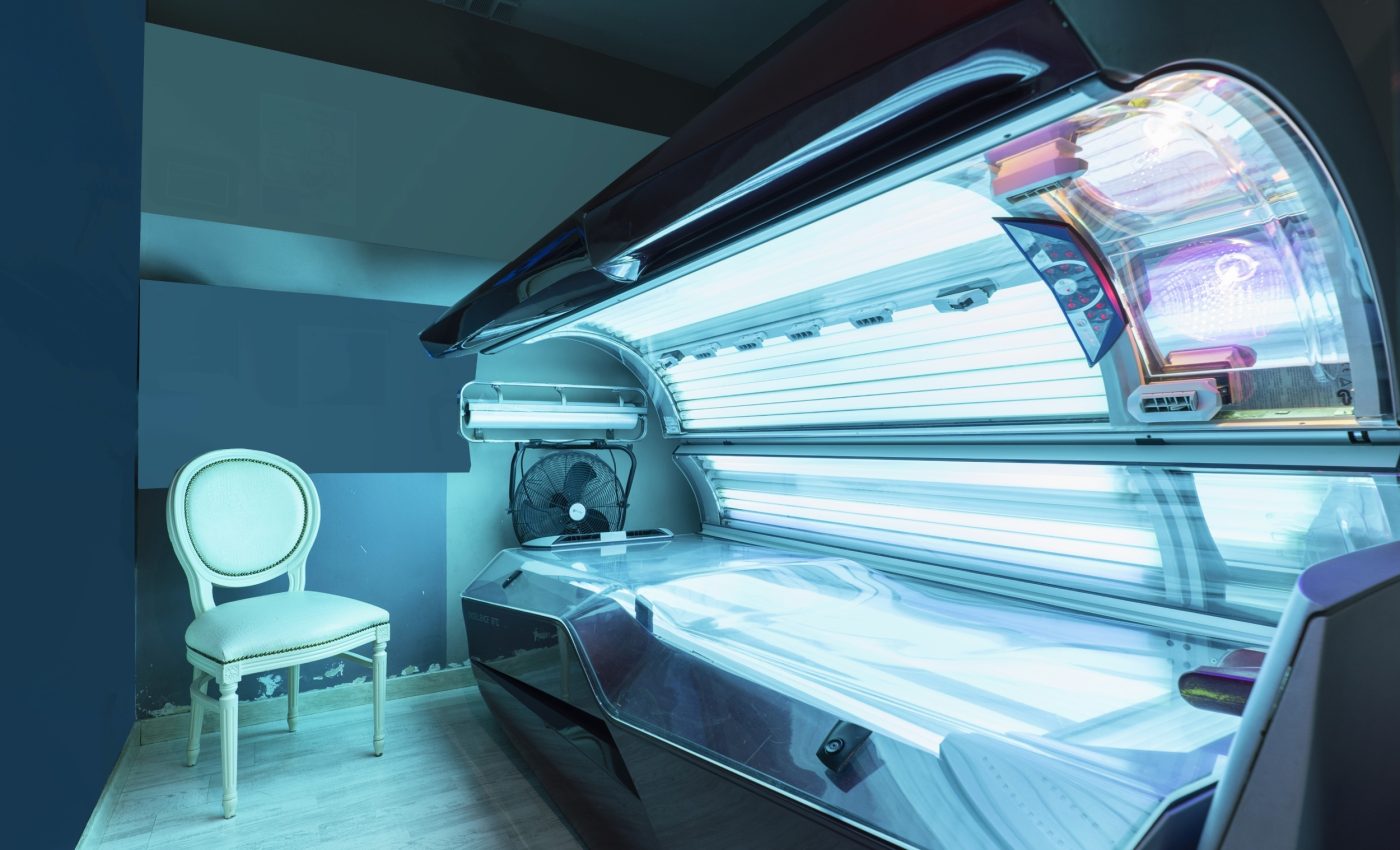
Tanning bed use nearly triples melanoma risk



 Follow Earth on Google
Indoor tanning remains common in many places, even as new warnings keep appearing. Many people focus on getting a quick tan and don’t think much about what happens under the surface.
A new study reveals clear genetic damage from indoor tanning that natural sunlight does not usually create. The tan fades quickly, yet mutations remain inside the skin.
Rising danger of tanning beds

Researchers from Northwestern Medicine and UC San Francisco examined medical records from thousands of patients. They also sequenced individual skin cells.
The results showed almost triple the melanoma risk among indoor tanners. Mutations appeared across the skin, including spots that never see daylight.
Dr. Pedram Gerami had expected this pattern. He had seen too many young patients with repeated melanomas.
“Even in normal skin from indoor tanning patients, areas where there are no moles, we found DNA changes that are precursor mutations that predispose to melanoma,” he said. “That has never been shown before.”
Damage spreads widely
The team sequenced 182 melanocytes from donors. Indoor tanners carried nearly double the mutation load.
Sun-protected areas showed heavy damage. That pattern pointed to full body ultraviolet exposure inside tanning beds.
“In outdoor sun exposure, maybe 20% of your skin gets the most damage. In tanning bed users, we saw those same dangerous mutations across almost the entire skin surface,” said Dr. Gerami.
Real lives are affected
Data shaped the study, but real people made the message hit harder. One of the volunteers, Heidi Tarr, started using tanning beds back in high school.
It seemed normal at the time, and trends encouraged it. Many years later, Tarr noticed a mole on her back that did not look right.
That moment changed everything. She needed surgery, and after that came many more biopsies as doctors kept checking for new problems.
“The biopsies can be painful, but the mental anxiety is worse,” said Tarr. She offered new biopsies for this study.
“If what happened to my skin can help others understand the real risks of tanning beds, then it matters.”
Clear need for limits
Dr. Gerami now supports strict rules. “At the very least, indoor tanning should be illegal for minors,” he said.
Many patients had started young and felt misled. Warning labels similar to cigarette packaging could help.
The World Health Organization already lists tanning beds as a group 1 carcinogen. That group also includes tobacco smoke and asbestos.
Regular skin exams can catch problems early, especially for former indoor tanners.
Fast genetic aging
A separate part of the study revealed another surprise. Young indoor tanners showed more mutations than older adults who never tanned indoors.
“We found that tanning bed users in their 30s and 40s had even more mutations than people in the general population who were in their 70s and 80s,” said study co-author Bishal Tandukar.
“In other words, the skin of tanning bed users appeared decades older at the genetic level.”
Study senior author A. Hunter Shain noted that the skin of tanning bed users was riddled with the seeds of cancer – cells with mutations known to lead to melanoma.
“We cannot reverse a mutation once it occurs, so it is essential to limit how many mutations accumulate in the first place,” said Shain.
Real risks of indoor tanning
This study brings together clinic observations, genetic evidence, and personal experiences from people who lived through the consequences. Each part fills in a different detail, and together they create a clear picture.
Indoor tanning does not just darken the skin for a short time. It changes the skin at a deep level, and those changes can last for decades.
The damage grows quietly in the background. Most people never feel it happening, and by the time a symptom appears, the process has already been underway for years.
The message that rises from the research is simple yet urgent. Artificial ultraviolet light carries real risk, even when the exposure feels brief or controlled.
The safest decision is to avoid tanning beds and choose habits that protect your skin. Healthy skin stays with you throughout life, and guarding it now can prevent serious problems later.
The study is published in the journal Science Advances.
—–
Like what you read? Subscribe to our newsletter for engaging articles, exclusive content, and the latest updates.
Check us out on EarthSnap, a free app brought to you by Eric Ralls and Earth.com.
—–