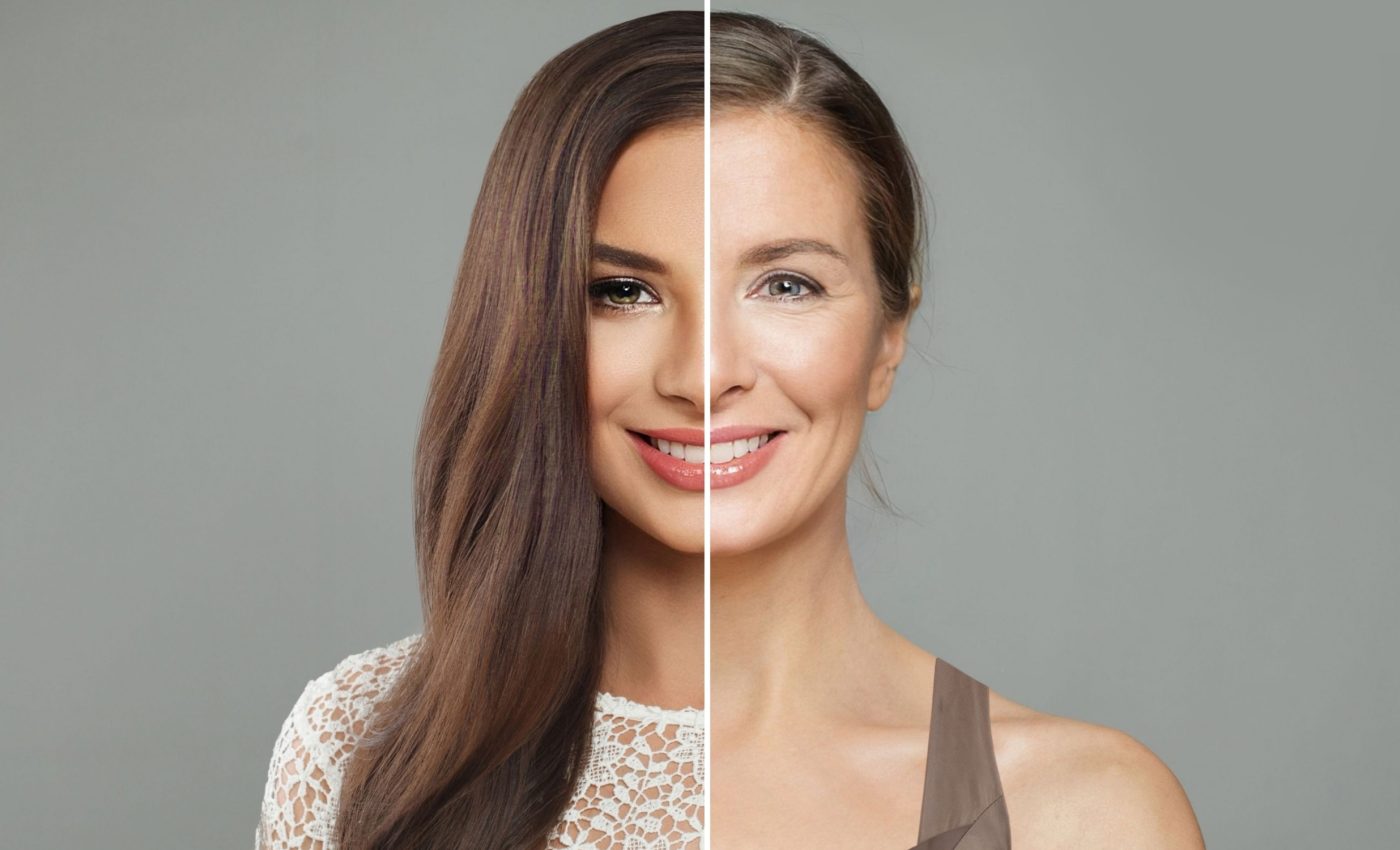
Wanting a family can shift attraction away from youthful faces



 Follow Earth on Google
Attraction often feels instinctive. A face catches interest, and a quiet chain of judgments begins. Many assume that youthful features command universal appeal.
Classic evolutionary accounts argue that youthful cues point to strong reproductive potential. Yet personal goals can reshape perception in surprising ways.

A recent investigation from the University of Strathclyde offers new insight into how reproductive desire links to age preference in mate choice.
The findings suggest a more complex rulebook for attraction than older theories proposed.
How age shapes attraction
Participants rated portraits of opposite sex adults from early adulthood into middle age. Younger faces gained higher ratings. Male participants offered higher ratings overall. Older raters scored faces higher than younger raters. A familiar trend emerged at first glance.
A deeper pattern overturned long standing assumptions. Stronger desire for children aligned with weaker interest in youthful faces. Both men and women in the sample showed this pattern.
Reported desire for children came from a standard questionnaire designed to capture personal motivation to pursue parenthood.
The ratings indicated that reproductive motivation did not amplify attraction to youthful cues. It pulled perception in another direction.
Why age ideas shift
Evolutionary explanations often tie attraction to youth with fertility cues. Popular models expect stronger attraction to youthful faces among men who want children.
The new dataset offered no support for that prediction. In fact, a modest inverse association emerged.
The study suggests several reasons why this pattern might appear. Fertility decline differs between sexes, yet perception does not necessarily follow straightforward reproductive logic.
In many societies, reliable contraception also changes the direct link between desire for children and partner choice.
Motivation to parent may not rest on inherited reproductive strategies alone. Cultural norms, ecological pressures and personal histories shape how individuals think about family size. These influences can alter how age cues get interpreted.
No simple cues
Follow up studies examined whether older faces gain appeal due to assumed parenting ability or assumed wealth. Participants judged neither ability nor resources as linked to facial age.
Younger adults even gained slightly higher ratings for potential parenting skill, although the trend lacked clear statistical support.
Further analysis introduced another important point. Many earlier studies relied on stated preferences. The current work focused on direct ratings of natural face images. Methods differ in ways that influence outcomes.
Forced choice tasks, manipulated images or narrow age ranges can produce different patterns compared to naturalistic ratings. Findings from blind date studies also support a narrower gap in age preference between men and women.
Such nuance weakens older assumptions about universal sex differences in preference for age cues.
More questions on age and attraction
Several questions remain open. Desire for children varies widely across cultures, economic settings and personal backgrounds.
Motivations behind reported desire for children may not map neatly onto ancient selection pressures. Perception of wealth and parenting skill may depend on more than facial appearance.
Study design also matters. Subtle shifts in stimuli or rating procedures can alter results.
“Our study challenges a widely held assumption in evolutionary psychology,” wrote the researchers.
“We found that men and women who reported a stronger desire to have children actually showed weaker preferences for younger adult faces, offering no support for the idea that reproductive motivation drives stronger attraction to youth.”
Future research directions
Attraction emerges from many layers. Age cues matter, yet their meaning shifts with personal goals. Desire for children may steer attention toward cues of maturity or stability rather than sheer youth.
Larger cross cultural research may uncover how beliefs about family, gender and opportunity influence these judgments.
A quiet look at a face can hint at many possibilities. New findings remind us that inner goals guide those impressions in subtle ways and that human attraction resists simple formulas.
Shifting family goals
Personal hopes for a future family can shape attraction in gentle, unnoticed ways. Many people imagine a life with comfort, support and steady commitment. Such goals can shift attention toward signs of maturity.
People may look for calm energy, confidence or a sense of responsibility. Youthful features may matter less when someone values long term partnership. Choices can reflect hopes for a stable home rather than quick appeal.
Attraction can grow from practical dreams, emotional needs, and personal values. Human attraction does not follow biology alone. It responds to goals, experiences and future plans.
The study is published in the journal PLOS One.
—–
Like what you read? Subscribe to our newsletter for engaging articles, exclusive content, and the latest updates.
Check us out on EarthSnap, a free app brought to you by Eric Ralls and Earth.com.
—–