Breathing polluted air may be changing your immune system



 Follow Earth on Google
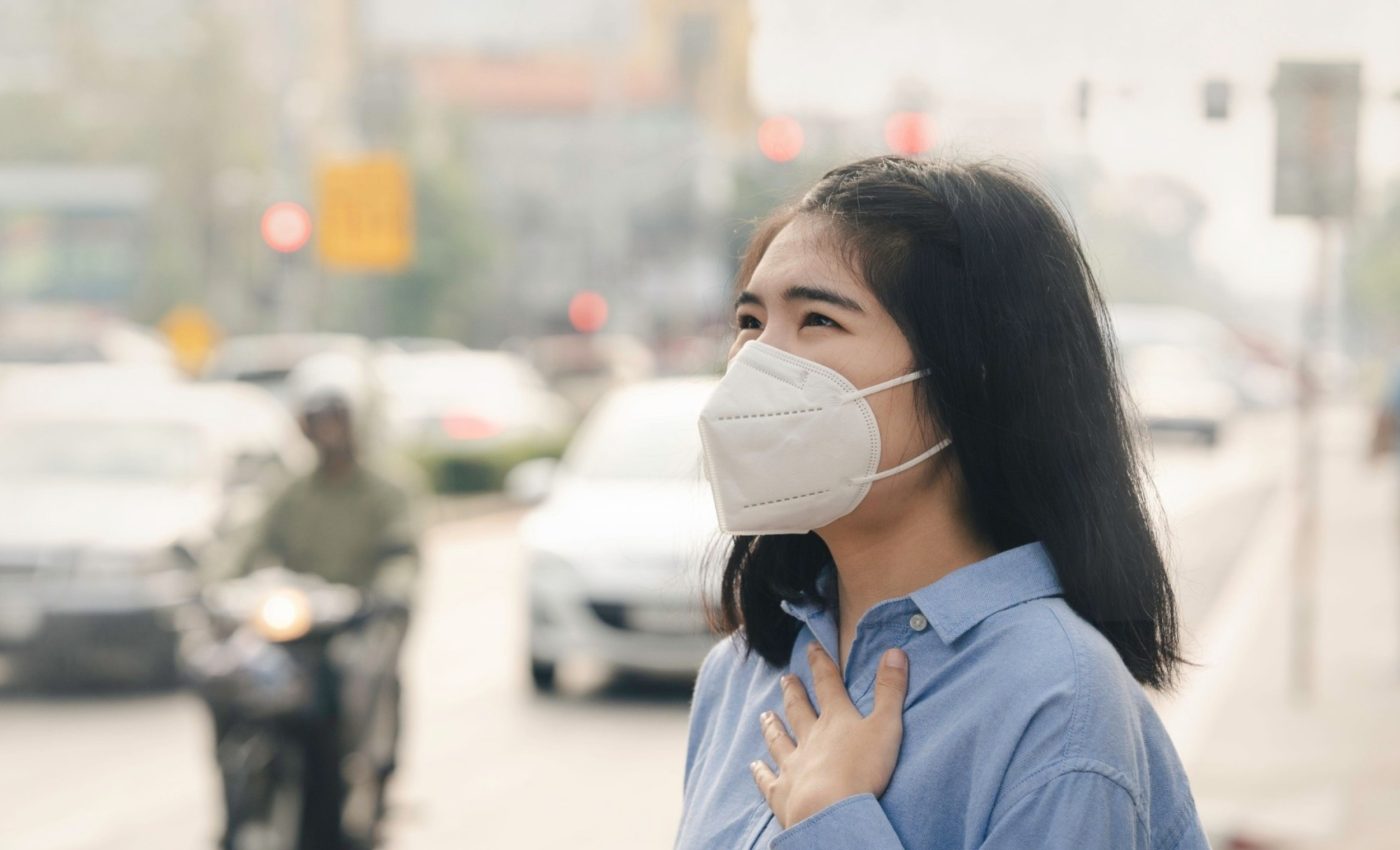
Tiny particles in polluted air may be quietly nudging the immune system toward autoimmunity, long before disease ever appears.
In a study of 3,548 adults, researchers found that higher exposure to fine particulate air pollution was linked to elevated antinuclear antibodies (ANA), a blood marker often associated with autoimmune diseases such as lupus.

ANA are immune proteins that mistakenly target the body’s own cells. While they are not a diagnosis on their own, higher levels can signal early immune changes.
“These results point us in a new direction for understanding how air pollution might trigger immune system changes,” said Dr. Sasha Bernatsky, a professor of medicine at McGill University, who led the work.
The findings add to growing evidence that air pollution can affect the immune system, not just the lungs and heart.
Small particles, big effects
PM2.5, particles smaller than 2.5 micrometers across, are a common part of outdoor haze and indoor smoke.
Wood smoke, vehicle exhaust, and industrial burning can all raise PM2.5 levels, sometimes far beyond the source.
“These fine particles in air pollution are small enough to reach the bloodstream, potentially affecting the whole body,” said Bernatsky.
How exposure was estimated
Researchers matched each participant’s residential postal code with an average PM2.5 level over the five years before blood collection.
Blood samples came from the Ontario Health Study, which recruited over 225,000 adults and collected over 40,000 samples.
The models adjusted for age, sex, smoking, income, and rurality to reduce confounding, a hidden influence that can skew associations.
Polluted air tied to immune strength
In the lowest PM2.5 quartile – one of four equal exposure groups – researchers found that people in the highest exposure range within that group had higher odds of antinuclear antibodies (ANA) at the strongest titres, 1:640 and 1:1,280.
A titre reflects antibody strength: it rises when a blood sample remains positive even after repeated dilution.
These strongest associations emerged only at the highest titres, suggesting a link with more pronounced immune activity, while a simple per-unit increase in PM2.5 did not show a clear statistical signal.
Importantly, ANA is a biomarker, not a diagnosis. Many healthy people carry low levels of these antibodies, and clinicians interpret results alongside symptoms and other laboratory findings.
Because autoimmune diseases often develop gradually, researchers are especially interested in early biological signals like elevated ANA that may appear well before overt illness or organ damage.
When lungs trigger immunity
Inhaled particles can irritate lung tissue and set off oxidative stress, an overload of reactive chemicals that damage cells.
Immune cells respond by releasing cytokines, small proteins that coordinate immune alarms, which can spill into the bloodstream.
Genetics helps explain autoimmune disease, but environmental exposures can add extra pressure on the immune system over time.
Uneven exposure and unequal risk
Traffic is a major source of fine particles, but it is far from the only reason people breathe polluted air. Wildfire smoke and wood burning can push air quality into unhealthy ranges in suburbs and rural communities, sometimes lingering for days.
Seasonal smoke events also reshape exposure patterns, meaning people who rarely experience urban smog can still inhale high particle levels during fire seasons.
Against this backdrop, the study found higher ANA positivity in women and across different racial and ethnic groups, even after accounting for other factors.
This matters because lupus and other autoimmune diseases are more common in women and in several racial and ethnic groups, raising concerns about unequal vulnerability.
Environmental justice research has long shown that pollution exposure often persists across neighborhoods, reinforcing disparities in who bears the greatest health risks.
Measuring polluted air and immune signals
Because the study was cross-sectional – capturing a single moment rather than tracking people over time – it cannot prove that air pollution causes changes in antibody levels.
Exposure estimates based on postal codes are practical for population studies but cannot account for individual commutes, workplaces, or indoor air quality.
Other factors, including infections, medications, stress, and additional pollutants, can also influence immune activity and are not always easy to measure precisely.
To assess immune markers, the laboratory used immunofluorescence, a glow-based technique that tags antibodies and allows ANA patterns to be read under a specialized microscope.
Researchers applied multiple ANA cutoffs, recognizing that higher titres are generally more clinically meaningful than faint signals.
Across the study population, PM2.5 exposure ranged from 3.3 to 13.8 micrograms per cubic meter – levels that reflect many everyday environments across Canada.
Crossing the pollution risk line
The clearest association appeared when comparing the highest and lowest exposure quartiles, hinting that risk may rise after a point.
That pattern also suggests that averaging pollution into one number can miss short bursts that may matter biologically.
“Research suggests there is no safe level, which is why Canadian policymakers need research like ours,” said Bernatsky.
Tools to reduce air pollution exposure
Cleaner buses and trucks, tighter industrial controls, and better building ventilation can all reduce particle exposure across a province.
Wildfire smoke adds urgency because it can overwhelm local progress, and it is becoming harder to predict and manage.
Public alerts, school policies, and worker protections can also cut exposure during high-pollution days without waiting for new science.
Reducing exposure at home
People can lower indoor particle levels by avoiding smoking, using effective filters, and limiting candle or incense use.
During smoke days, closing windows and using a high-efficiency air cleaner can reduce exposure, especially for children and older adults.
For anyone with troubling symptoms, a clinician can help decide whether an ANA test is useful, and what it does not mean.
More immune research needed
The team plans to explore data from British Columbia, where wildfire smoke and coastal weather create different pollution patterns.
Longer follow-up studies could test whether high ANA titres predict later autoimmune disease in people with higher particle exposure.
Future work may also separate particle sources and chemical mixtures, since traffic particles can differ from wildfire smoke.
This study adds to growing evidence that polluted air can influence the immune system, not just the lungs and heart.
Reducing fine particles could become part of prevention planning, especially for people already at higher risk of autoimmune disease.
The study is published in the journal Rheumatology.
—–
Like what you read? Subscribe to our newsletter for engaging articles, exclusive content, and the latest updates.
Check us out on EarthSnap, a free app brought to you by Eric Ralls and Earth.com.
—–