Cats communicate more through purrs than meows



 Follow Earth on Google
Cats live inches from our daily lives, yet much of what they “say” still slips past us. We tend to focus on meows because they’re loud, expressive, and often aimed directly at humans.
But beneath that familiar soundtrack is a quieter signal that may reveal far more about who a cat really is. Purring, often dismissed as a simple sign of contentment, turns out to be surprisingly rich with information.

New research suggests that a cat’s purr is remarkably stable over time – less shaped by mood or situation and more by anatomy – making it something like a vocal fingerprint.
That steadiness offers a rare glimpse into how domestication has reshaped feline communication.
While meows evolved to flex and adapt in human homes, purring appears to preserve individuality, carrying subtle biological signatures that remain consistent across a cat’s life.
Cats sound uniquely individual
Animals produce sounds that differ from one individual to another. These sound differences help with recognition between familiar animals. Voice patterns support bonding and smooth social interaction.
Domestic cats also show clear vocal differences across many sounds. Some sounds reveal identity better than others. Purring stays steady across time and situations.
Body structure shapes purring more than feelings. Throat shape, breathing rhythm, and airflow guide sound vibration.
These factors keep purring consistent. Meowing changes more often. Mood, need, and human response shape meowing patterns.
Daily interaction rewards flexible sounds. Stable purring acts like a personal voice mark. Flexible meowing works as a tool for communication.
Analyzing cat purrs and meows
Researchers analyzed hundreds of purrs and meows using acoustic methods borrowed from human speech science. Spectral patterns captured identity-related information across calls.
Purrs achieved higher classification accuracy and encoded more information bits, meaning a single purr could distinguish many individuals reliably, while meows showed weaker identity signals.
“People pay most attention to meowing because cats mainly use these vocalizations toward us,” explains the study’s first author, Danilo Russo of the Università degli Studi di Napoli Federico II, Portici in Italy.
“But once we examined the acoustic structure closely, the even, rhythmic purr turned out to be the better cue for identifying individual cats.”
Why purrs rarely change
Purring relies on low-frequency vibrations produced during both inhalation and exhalation. These sounds remain relatively unaffected by context or emotional arousal.
Anatomical constraints shape frequency and rhythm, creating a default acoustic profile unique to each cat. Purring appears early in life during maternal contact, reinforcing stability across age and environment.
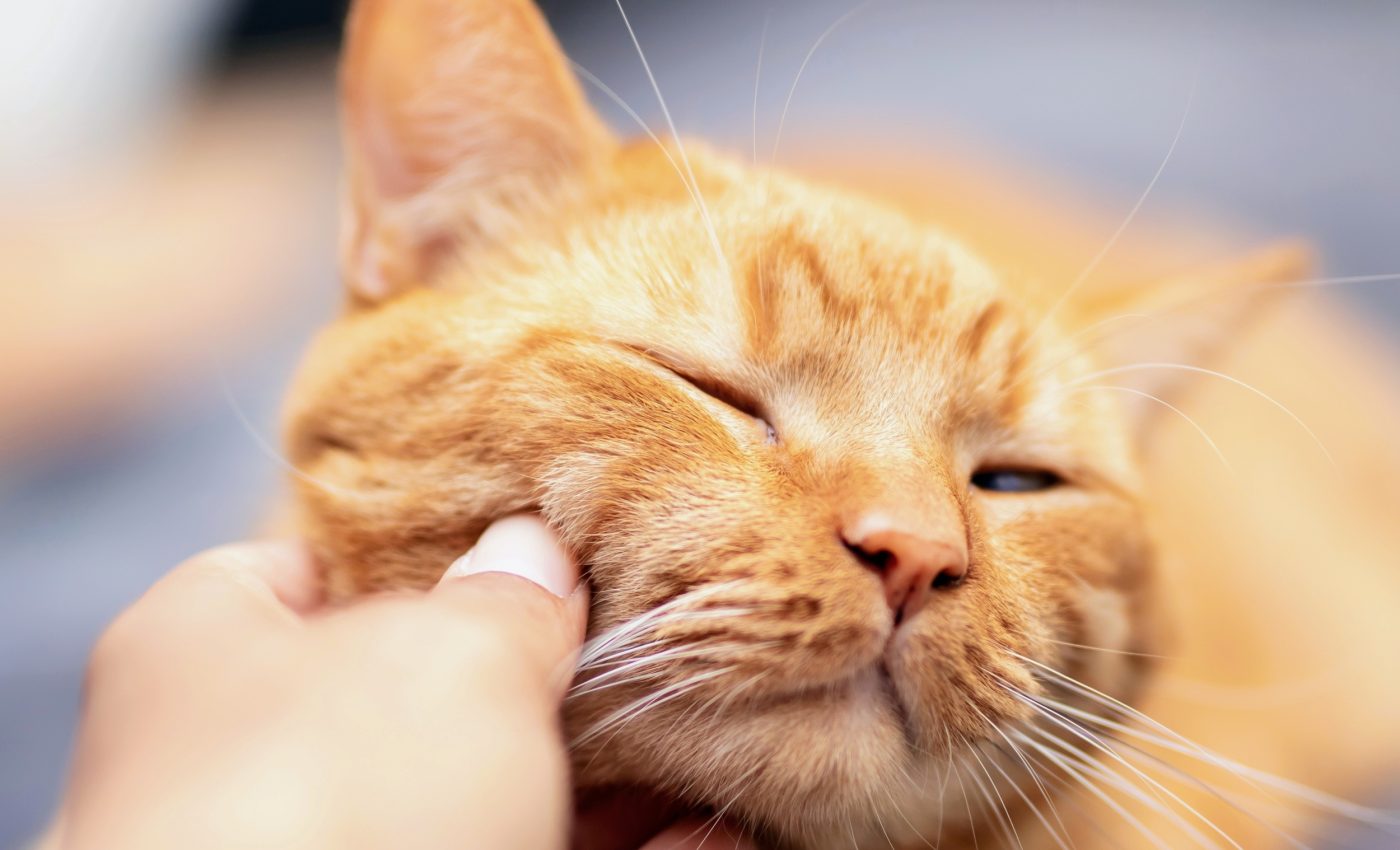
“Every cat in our study had its own characteristic purr,” said study co-author Anja Schild. “Purring often occurs in relaxed situations, such as during petting or close contact with a familiar person.”
“It is also used for communication between the mother and her kittens shortly after birth. Meowing, on the other hand, is famous for its versatility.”
Meows adapt to humans
Meows change often across daily life. A cat sounds different during hunger, play, stress, or attention-seeking. Emotional state shapes each meow. Past experiences with humans also shape sound patterns.
Cats learn which sounds trigger food, touch, or response. Pitch rises or falls based on expected reaction. Sound length increases during strong requests. Melody shifts during repeated attempts. Human feedback rewards flexible sound use.
Such learning favors adaptability over consistency. Identity clarity becomes less important during goal-driven communication. Constant adjustment weakens stable voice patterns. Recognition through meows becomes harder across moments. Personal traits still appear in meows.
Complete loss of identity never occurs. Variation simply masks clear signatures. Meowing works best as a request tool, while purring works better for recognition.
Domestication strengthened sound flexibility, and human presence reshaped vocal behavior. Meows now serve communication needs more than identity signals.
Life with humans changed meows
Comparisons with wild cat species show domestic cats use far more varied meows. Wild cats produce meows that sound similar across situations.
Domestic life rewards sounds that change easily. Human homes favor vocal flexibility.
Adaptable meows help cats gain food, care, and attention. Recognition matters less in human settings.
Purring stays stable across environments. Purring works best during close contact and bonding. Such sounds support calm interaction.
Meows serve negotiation roles during daily life. Both sounds evolved under different pressures. Living with people reshaped vocal habits. Domestic cats balance stable identity sounds with flexible request sounds. Communication adapts to shared spaces.
Hearing cats more clearly
Cat sounds deserve closer attention during daily life. Loud calls express hunger, stress, or excitement clearly.
Soft vibrations communicate identity and calm states. Listening beyond meows changes human understanding of cats.
Purring offers clues about comfort, safety, and trust. Gentle sounds remain steady across moments. Such stability helps recognition between familiar partners. Daily interactions hide rich biological signals within sound.
Awareness of subtle cues improves care quality. Caregivers respond better when signals feel understood. Bonding grows through careful listening. Quiet communication builds stronger relationships.
Small sounds carry large meaning across shared living spaces for humans and companion animals everywhere today.
The study is published in the journal Scientific Reports.
—–
Like what you read? Subscribe to our newsletter for engaging articles, exclusive content, and the latest updates.
Check us out on EarthSnap, a free app brought to you by Eric Ralls and Earth.com.
—–