When conservation backfires: Saving one species can endanger the rest



 Follow Earth on Google
Conservation wins are often told as stories about a single beloved animal coming back from the edge. A recent paper from ecologists in China warns that this narrow focus can quietly damage the very ecosystems those animals need.
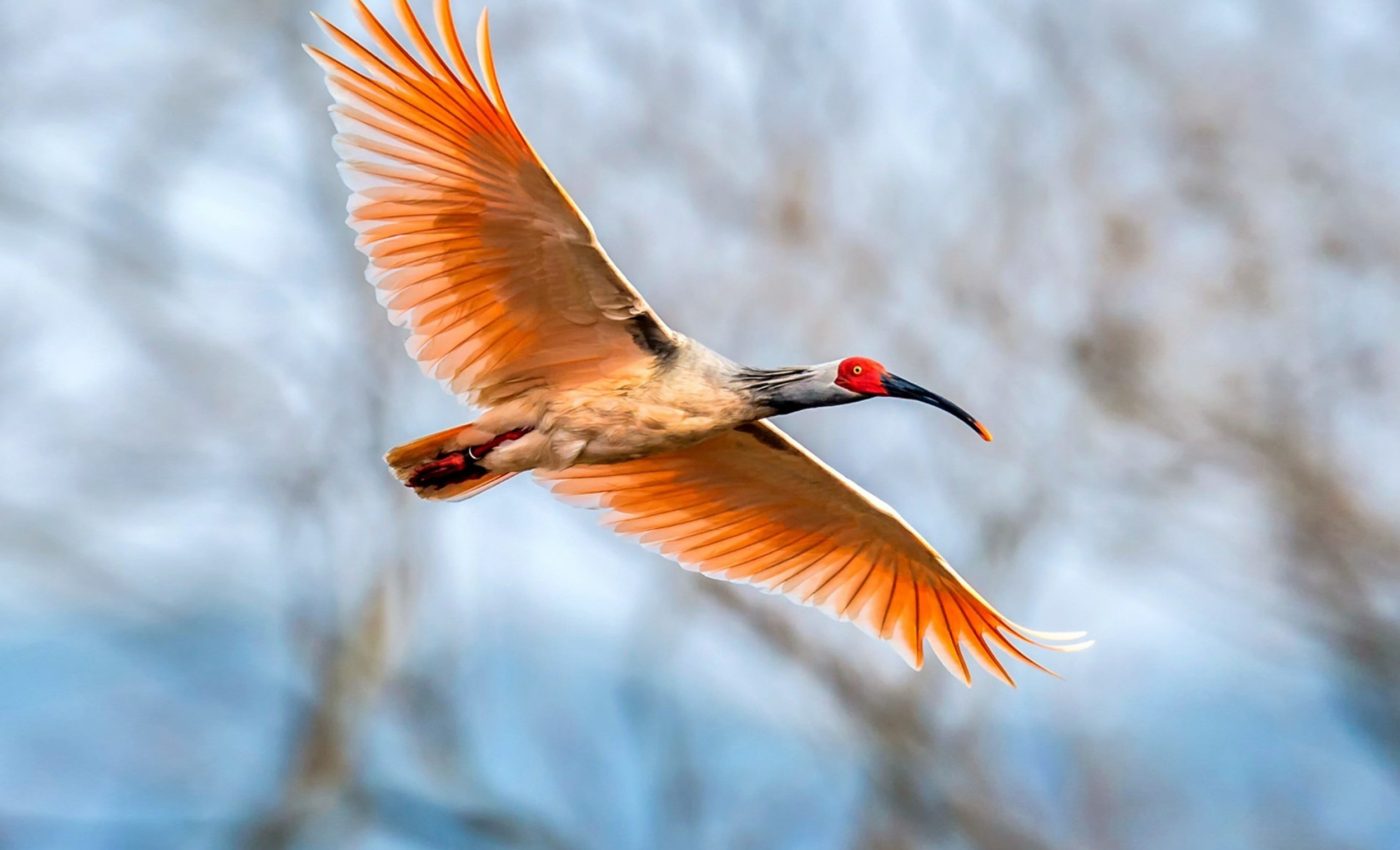
The team’s argument is rooted in real cases from China, including the crested ibis in Shaanxi Province.

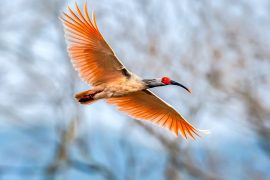
The crested ibis has climbed from seven wild individuals in 1981 to roughly 11,000 today – a comeback that now brings new ecological challenges.
Animals reflect ecosystem health
The work was led by Hai Tao Shi, a conservation biologist at Hainan Normal University in Haikou. His research investigates whether ecosystems are truly recovering or just filling up with more animals.
Charismatic species, animals that people find especially attractive or symbolic, have long been used as shortcuts for judging conservation success.
If those animals are abundant, many projects assume the ecosystem is healthy, even when other species are quietly shrinking.
Counting animals ignores stability
The new perspective argues that this habit of counting animals can be misleading because it ignores whether the wider ecosystem is stable.
“Conserving non-megafauna charismatic species may not be effective, when conservation outcomes are purely based on abundance,” noted Hai Tao Shi.
Ecosystem functions, the jobs that nature carries out like cycling nutrients and storing carbon, depend on species working together instead of one star.
Decades of research show that when species diversity falls, those functions weaken, and people lose clean water, fertile soil, and other life support systems.
Lessons from China
One example is the Chinese giant salamander, now recognized as several cryptic species – closely related lineages that look almost identical to the human eye.
For years, farms bred salamanders from different regions together and released them widely, which created genetic mixing that can erase distinct wild lineages.
The crested ibis recovery looks impressive, yet dense flocks now crowd limited wetlands and rice fields, raising disease risks and straining food supplies.
Tracking studies document site fidelity, a tendency for birds to reuse the same feeding and roosting spots, so pressure piles up in key areas.
Animals can strain ecosystems
In parts of Shaanxi, farmers have already switched from conventional rice to organic black rice to reduce pesticides where the ibis feeds.
That helps the birds, but it also means local communities are changing centuries-old farming routines to keep one protected species comfortable.
Père David’s deer, a species once extinct in the wild in China, now exceeds 12,000 animals after decades of captive breeding and releases back into former wetlands.
Analyses show that the herds have low genetic diversity, so managers worry about inbreeding as habitats approach the limit an area can support.
Why ecosystems matter
Across these examples, conservation teams hit their numeric goals for target animals, yet the surrounding communities of plants, prey, and predators remain out of balance.
The experts warn that this pattern of over-conservation, pushing one species far beyond what the ecosystem can comfortably absorb, can lead to long-term problems for both nature and people.
Biodiversity, the variety of life forms sharing a place, gives ecosystems a kind of insurance against shocks like drought, disease, or invasive species.
How to measure true recovery
When conservation targets protect food webs, soils, and water flows along with animals, damaged ecosystems can recover in ways that last.
Shi and his co-authors argue that conservation scorecards should focus on whether key ecosystem functions are improving.
Measures like soil retention, pollination, and stable predator-prey relationships provide a clearer picture than counting a single species’ abundance.
The researchers also argue for flexible goals that can change as climate patterns, land use, and species ranges continue to move.
A new look at species conservation
A holistic approach starts with mapping how water and nutrients move through a landscape, and then asking which species and habitats keep those flows steady.
That kind of planning often leads to protecting wetlands, old forests, and whole river systems – even when none of the species involved are famous.
In practice, this means new protected areas might be designed around clusters of interacting species rather than around a single flagship animal.
It also means being cautious with captive breeding, and choosing releases only where habitats can support wild behavior without constant human intervention.
The cases in China demonstrate how good intentions can push one charismatic species to high numbers – while leaving ecosystems fragile and expensive to maintain.
Grounding conservation goals in ecosystems rather than mascots helps ensure that success stories benefit not just a single species, but entire landscapes.
The study is published in the journal PLOS Biology.
—–
Like what you read? Subscribe to our newsletter for engaging articles, exclusive content, and the latest updates.
Check us out on EarthSnap, a free app brought to you by Eric Ralls and Earth.com.
—–